‘Plump’ creature discovered in cloud forests of Ecuadorian Andes is new species
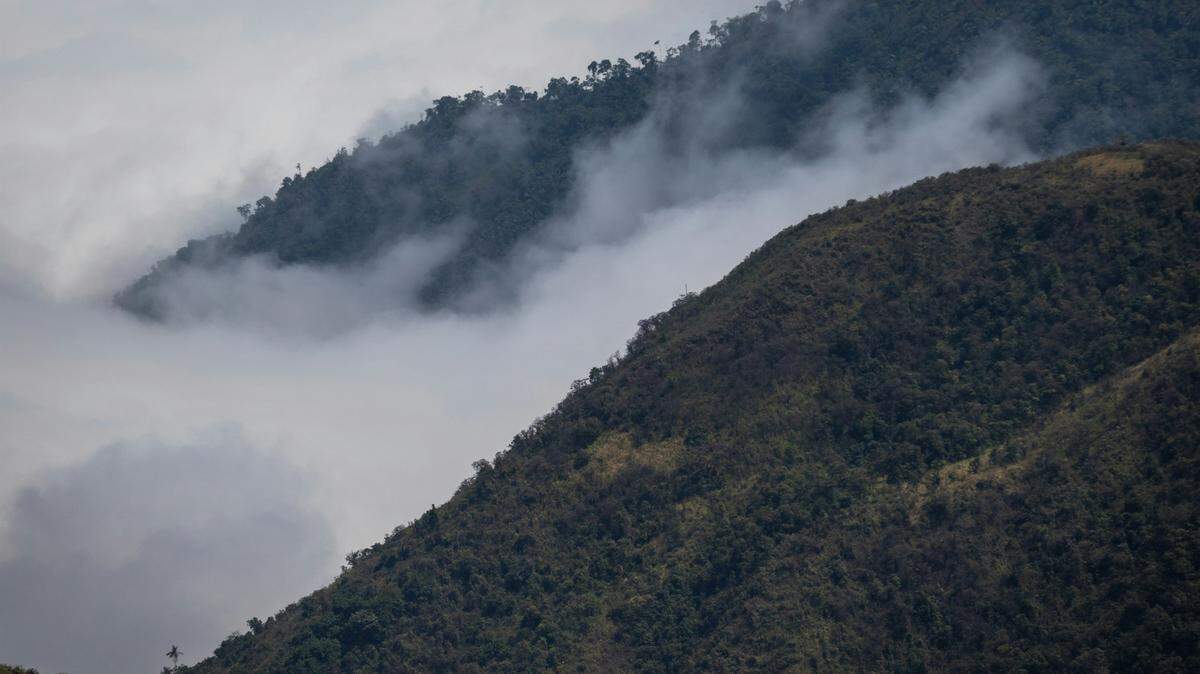
In the humid cloud forests of the Ecuadorian Andes — a dramatic landscape where enormous wax palms tower over moss-laden ground, and epiphytes, or plants that grow on other plants, appear to “cover every surface”— researchers came upon a small creature perched on a fallen tree.
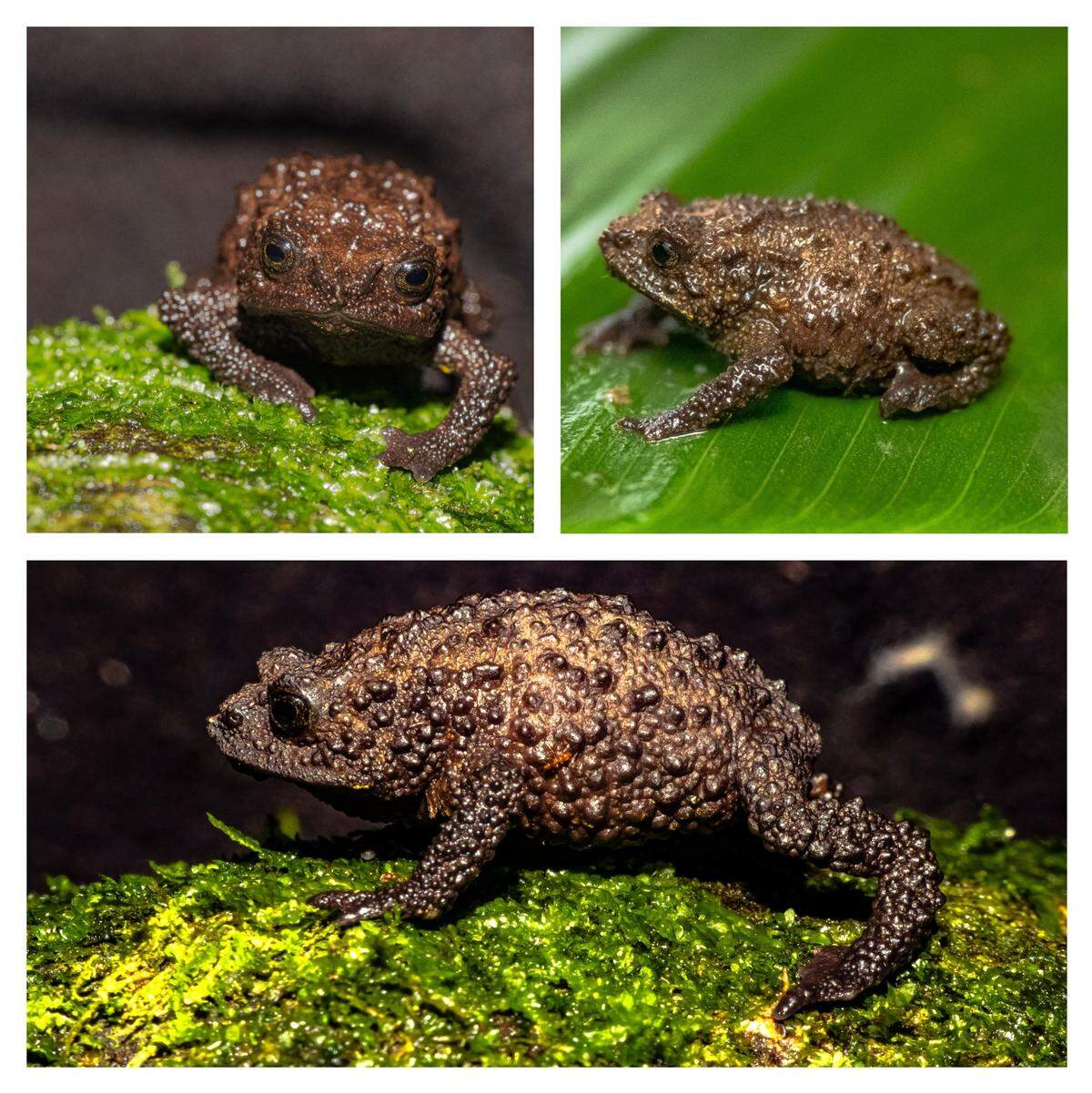
“Plump” and warty with a round body and short limbs, researchers have now confirmed the animal they encountered in the northern foothills of Cerro Candelaria Reserve is a new species of toad, according to a study published July 23 in the journal PeerJ.
Osornophryne backshalli, or the Steve Backshall’s Andean toad, is the first new species of the Osornophryne genus discovered in the last 14 years and the only one to exist south of the Rio Pastaza, representing a “significant range extension,” researchers said.
According to the study, fewer than six Steve Backshall’s Andean toads have been discovered over the last 16 years, despite multiple surveys focused solely on documenting amphibians in the Cerro Candelaria region where it was discovered.
This scarcity suggestions “the species is relatively rare and has a low population density,” researchers said.
All specimens were found at night among the leaf litter on the forest except for the first two, which were discovered perched on a tree trunk and a branch, according to the study.
The new species is “easily recognized by its brown coloration with yellow blotches on the belly,” distinct warts covering its body, and a “short fifth toe,” all of which distinguish it from other known species in the genus, according to a news release from researchers.
The new species was named in honor of explorer and television presenter Steve Backshall whose work has “contributed directly to the conservation of the Corredor de Conectividad Llanganates-Sangay, the habitat of this particular species and many others,” researchers said.
Experts said Cerro Candelaria Reserve was recently designated as a Protected Area within Ecuador’s National System of Protected Areas.
“Efforts are now underway to incorporate new sections into the reserve, allowing it to be reclassified as a Wildlife Refuge,” researchers said.
The research team included Juan P. Reyes-Puig, Miguel A. Urgiles-Merchán, H. Mauricio Ortega-Andrade, Diego F. Cisneros-Heredia, Julio C. Carrión-Olmedo and Mario H. Yáñez-Muñoz.