4 fungi related to species that hijack brains of insects discovered in Thailand
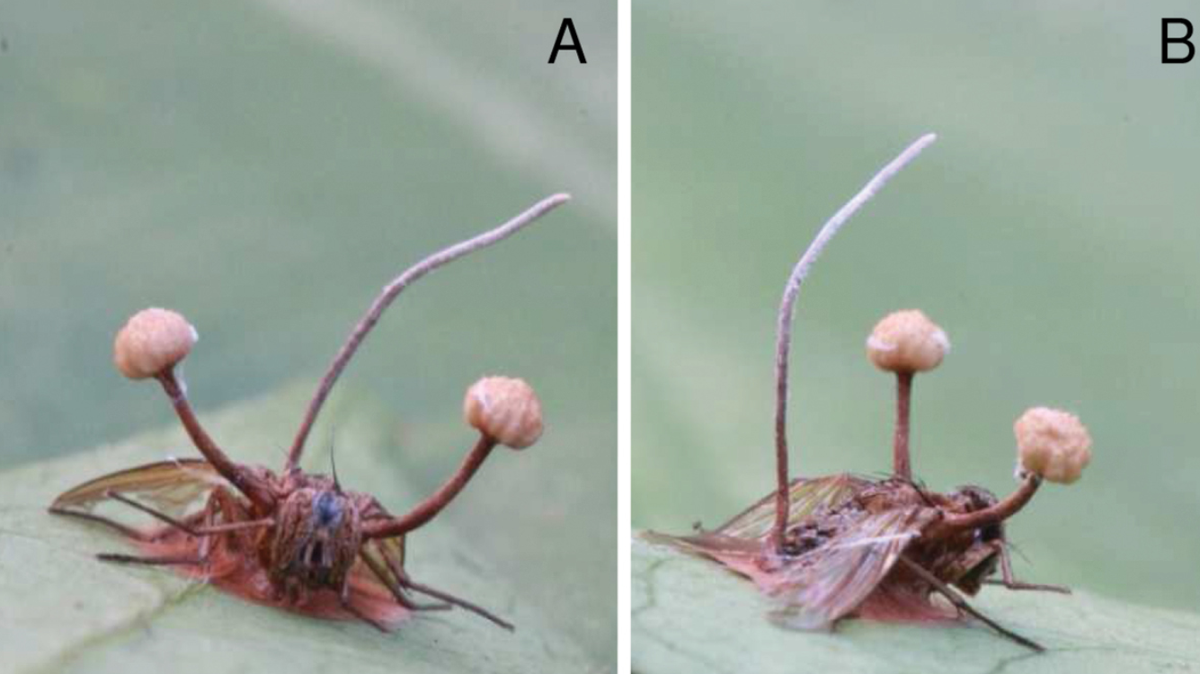
If you’ve played the video game “The Last of Us” or seen the television adaption, then you’ve heard of cordyceps — a “zombie” fungus that infects its host and takes over its body. This leads to the main plotline of a post-apocalyptic wasteland filled with “infected” humans shooting fungal spores from every pore.
The cordyceps species in “The Last of Us,” Ophiocordyceps unilateralis, is real and does exactly what the show purports —just not in humans, according to medical experts.
Thanks to a relatively high body temperature and complex nervous system, cordyceps are unable to survive in human bodies.
In insects, however, many Ophiocordyceps species can hijack their brains, manipulate their behavior, and shoot spores from their bodies, allowing the fungus spread.
New Ophiocordyceps from Thailand
In various forests across Thailand, researchers have discovered four new species of Ophiocordyceps, each specializing in parasitizing one species of fly, according to a study published July 7 in the journal MycoKeys.
Ophiocordyceps and cordyceps are closely related and were once part of the same genus.
Ophiocordyceps fungi is typically “found Inhabiting insect hosts buried in soil, on fallen leaves, decaying wood, the underside of leaves, and on stems of forest plants,” according to the study.
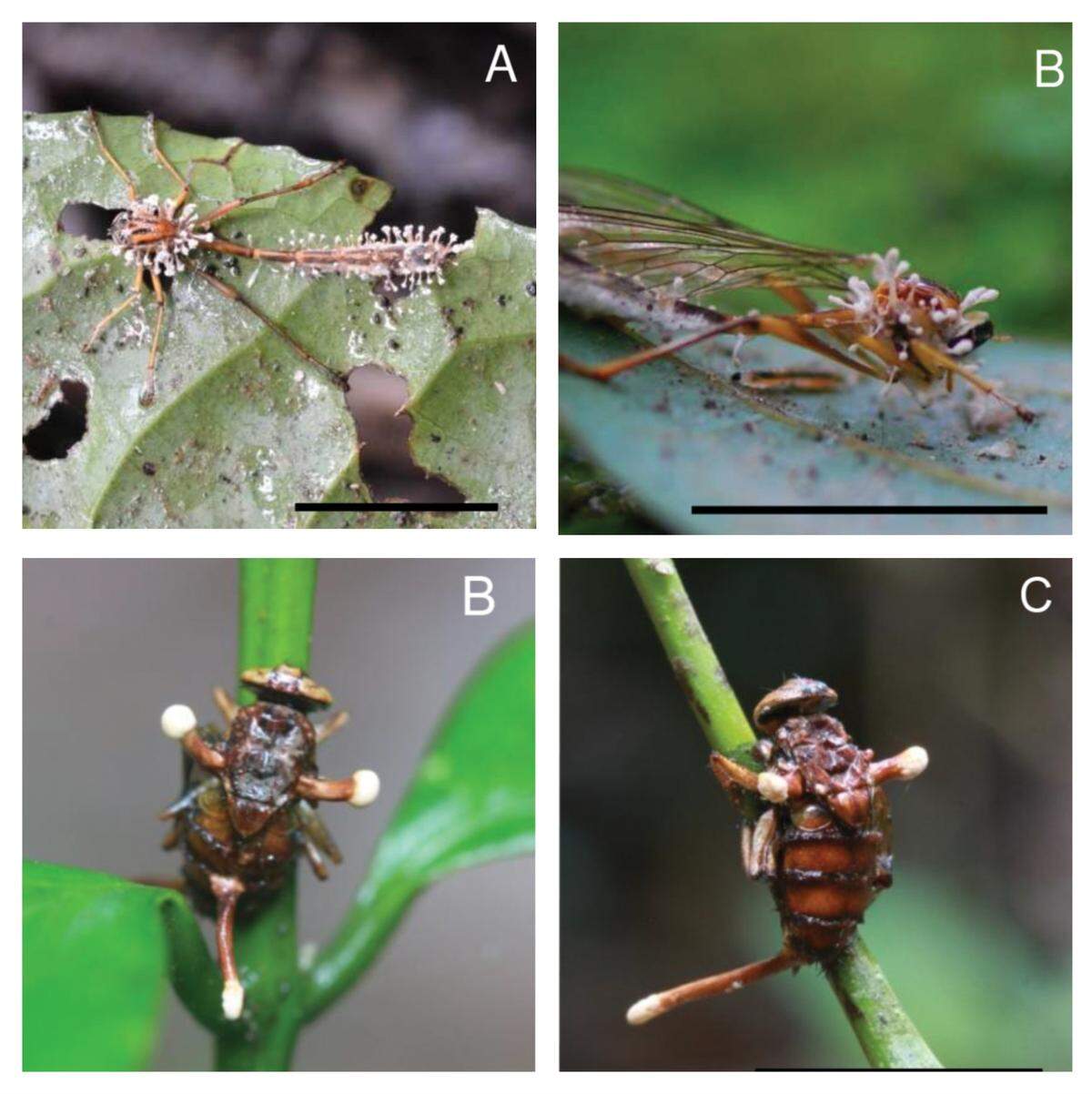
In Khao Yai National Park near Kong Kaeo Waterfall, for example, researchers found a robber fly attached to the bottom of a leaf with small flower-like growths protruding from its head, thorax and abdomen, earning the new fungus the name Ophiocordyceps floriformis.
Three other new species — Ophiocordyceps muscae, Ophiocordyceps tabani and Ophiocordyceps thilosuensis — were identified, specializing in the infection of houseflies, horseflies, and fruit flies, respectively.
“These host-specific associations suggest a role in natural fly population control,” researchers said. The study did not specify if the new species cause behavioral manipulation in their hosts.
Researchers said many fungi that specialize in parasitzing insects “produce bioactive compounds with antimicrobial or anticancer properties.”
“Discovering new species may therefore increase the chance of finding novel compounds for agricultural or medical use in the future,” according to the study.
Specimens were collected from forests in Nakhon Ratchasima, Phetchabun, Chaiyaphum, and Tak provinces, according to the study.
The research team included Suchada Mongkolsamrit, Donnaya Thanakitpipattana, Wasana Noisripoom, Kanoksri Tasanathai, Kanraya Liangsiri, Somruetai Jaiyen, Nattawut Rungjindamai, Marc Stadler| and Jennifer Luangsa-ard.
Zombie-like behavior in other insects
Ophiocordyceps fungi can impact the behavior of host insects in ways that may seem bizarre, but are actually meant to ensure the survival of the fungus.
In ants, for example, Ophiocordyceps unilateralis causes them to “erratically climb to a certain height” within a narrow window of time and bite down on leaves or twigs to anchor their bodies before a spore “erupts from their head,” according to a study published in the journal PLOS Pathogens in 2015.
In soil-dwelling ghost moth larvae, Ophiocordyceps sinensis forces them “close to the surface” of the dirt before a “fruiting body” grows from its head and erupts through the ground, according to the study.