‘Robust’ creature with ‘slim’ lips found in Switzerland lake. It’s a new species
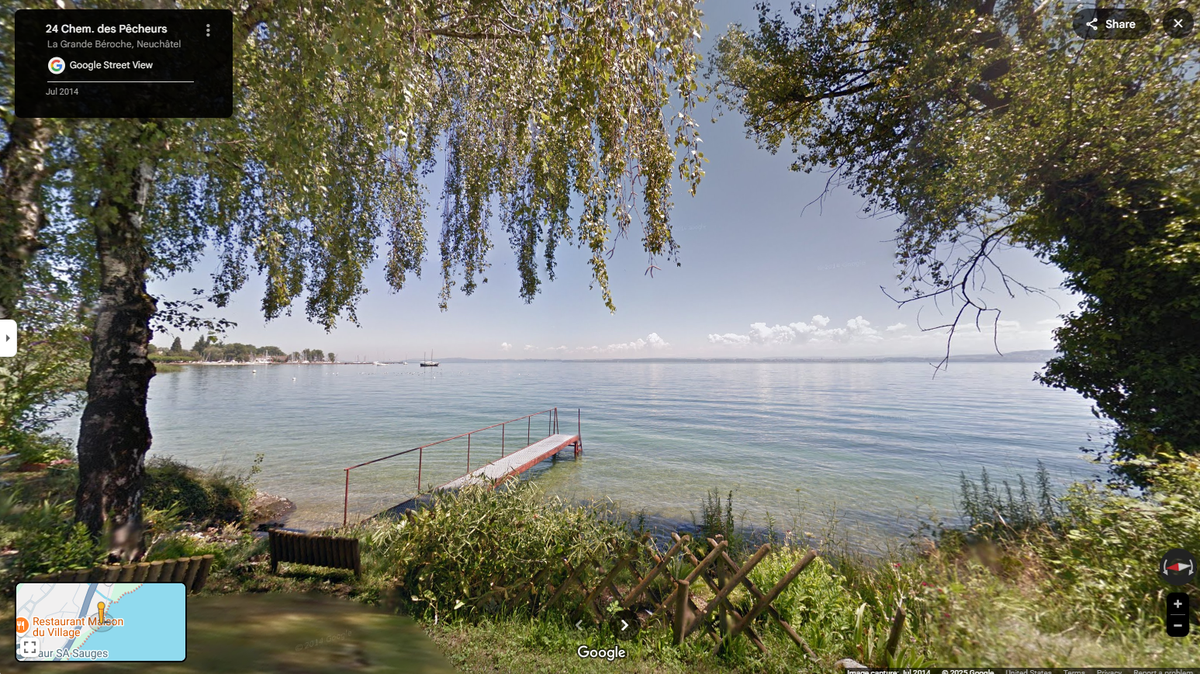
In a mid-sized lake of Switzerland, a “robust” creature with “slim” bumpy lips swam through the shallow water, or it tried to, at least. But something zapped it and caused it to float to the surface.
Scientists scooped up their catch — and realized they’d discovered a new species.
A team of researchers spent two years visiting lakes and rivers of Switzerland as part of a biodiversity project. They suspected that some of the fish living in these waterways were being misidentified, according to a study published July 2 in the peer-reviewed Journal of Fish Biology.
To investigate, researchers collected dozens of new specimens through electrofishing and combed archive collections for older specimens, the study said. Next, the team analyzed the DNA of the fish and studied their appearances.
A pattern emerged: Some of the lake-dwelling fish were genetically distinct and had subtle but consistent physical differences from known species, the study said. Researchers realized they found a new species: Barbatula ommata, or the lake stone loach.

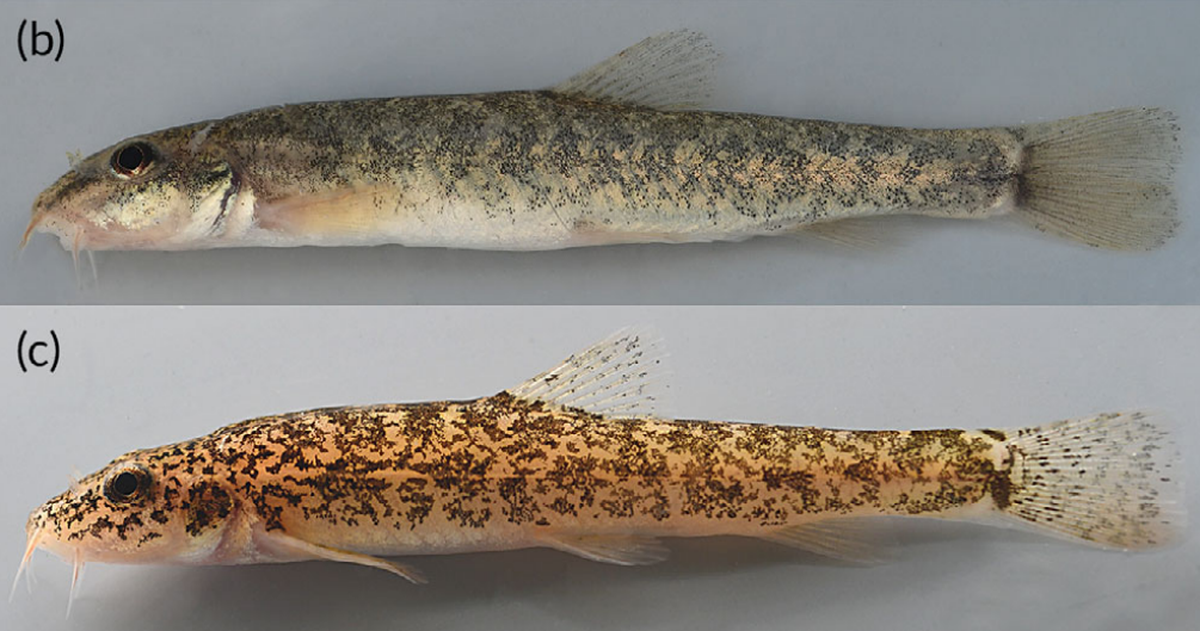
Lake stone loaches have “robust and elongate” bodies, reaching over 3 inches in length, the study said. They have “small” nostrils and “wide” mouths with “slim,” bumpy lips.
Photos show the yellowy coloring and pattern of the new species. The fish vary in hue but generally have “irregular roundish blotches, randomly distributed” on their bodies, researchers said. Some fish have a “gold iridescent coloration.”

Lake stone loaches were found in shallow lake water from the shores to depths of about 4 feet, the study said. The fish were “most abundantly found in small pebbles substrate, and among middle-sized stones” and primarily eat insects.
Researchers said they named the new species after the Greek word for “eyes” because of the “great diameter of its eyes.” The new species’ common name refers to its natural habitat.
So far, lake stone loaches have been found in seven lakes in Switzerland, the study said. Historic records suggest the fish used to live in two more lakes “but that its population has since declined drastically, likely potentially approaching local extinction,” the study said.
Researchers considered the new species to be endangered because of its limited distribution, decreasing population and the human-induced “habitat degradation, primarily from urbanisation, pollution” and construction along lake shores.
The new species was identified by its coloring, lip shape, body proportions, internal anatomy and other subtle physical features, the study said. DNA analysis found the new species had at least 2% genetic divergence from related species.
The research team included Bárbara Calegari, Jörg Freyhof, Conor Waldock, Bernhard Wegscheider, Dario Josi, Lukas Rüber and Ole Seehausen.
The team also discovered a second new species: the North-Prealpine stone loach.
This story was originally published July 10, 2025 at 1:46 PM.