Massive tree deep in Amazon hid ancient burials of unknown culture — until now
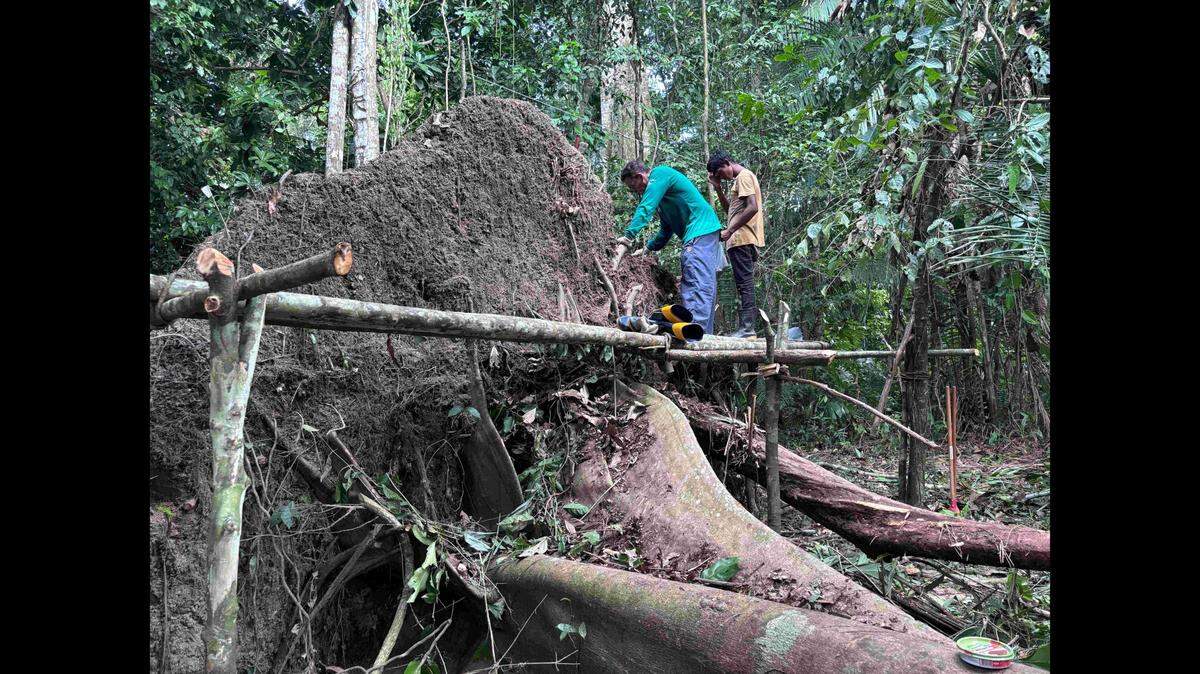
Deep in the Amazon, hours and miles away from the nearest community, an uprooted tree has revealed seven urns buried beneath it, believed to belong to an ancient, unidentified indigenous group.
Local residents first discovered the artifacts in the seasonal floodplain of Brazil’s Fonte Boa region and alerted archaeologists, according to a June 9 news release from the Mamirauá Institute.
Experts said the urns, two of which were very large, had some rare features as well as characteristics never before seen in artifacts from that region, including their size and lack of ceramic lids.
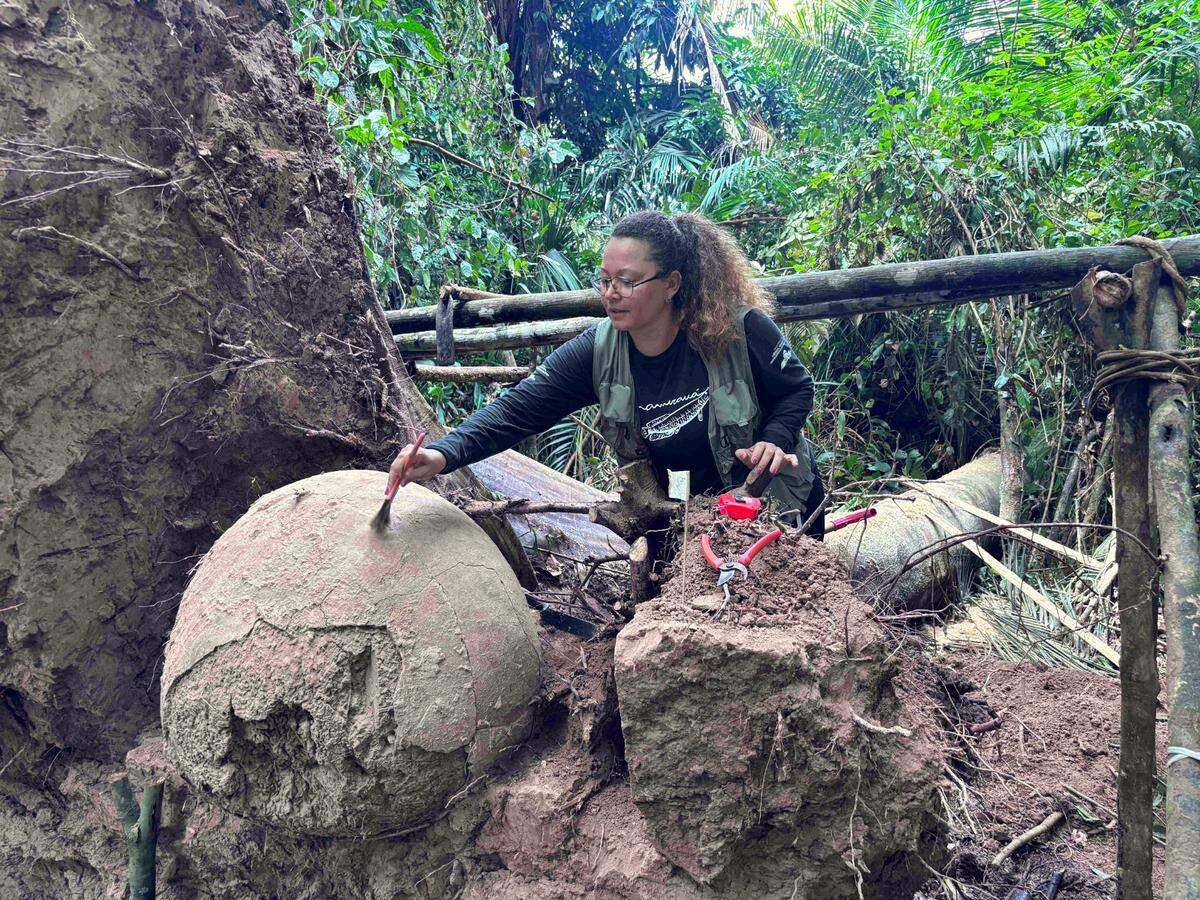
Initial analysis shows the use of a rare but not unprecedented type of greenish clay, according to the release. Additionally, the exterior designs of some of the urns had no connections to any known ceramic traditions practiced by indigenous cultures from the region, experts said.
Fragments of human bones, turtles and fish were discovered inside the urns, indicating they were likely used for funerary rituals, according to the release.
The urns were buried about 15 inches deep, likely under what would have been a residential area, according to experts.
The archaeological site, called Lago do Cochila, is part of a group of artificial islands built hundreds or thousands of years ago by indigenous peoples in flood-prone areas to protect housing and social areas during the flood season, experts said.
Archaeologist Márcio Amaral said the artificial islands were a very sophisticated indigenous engineering technique.
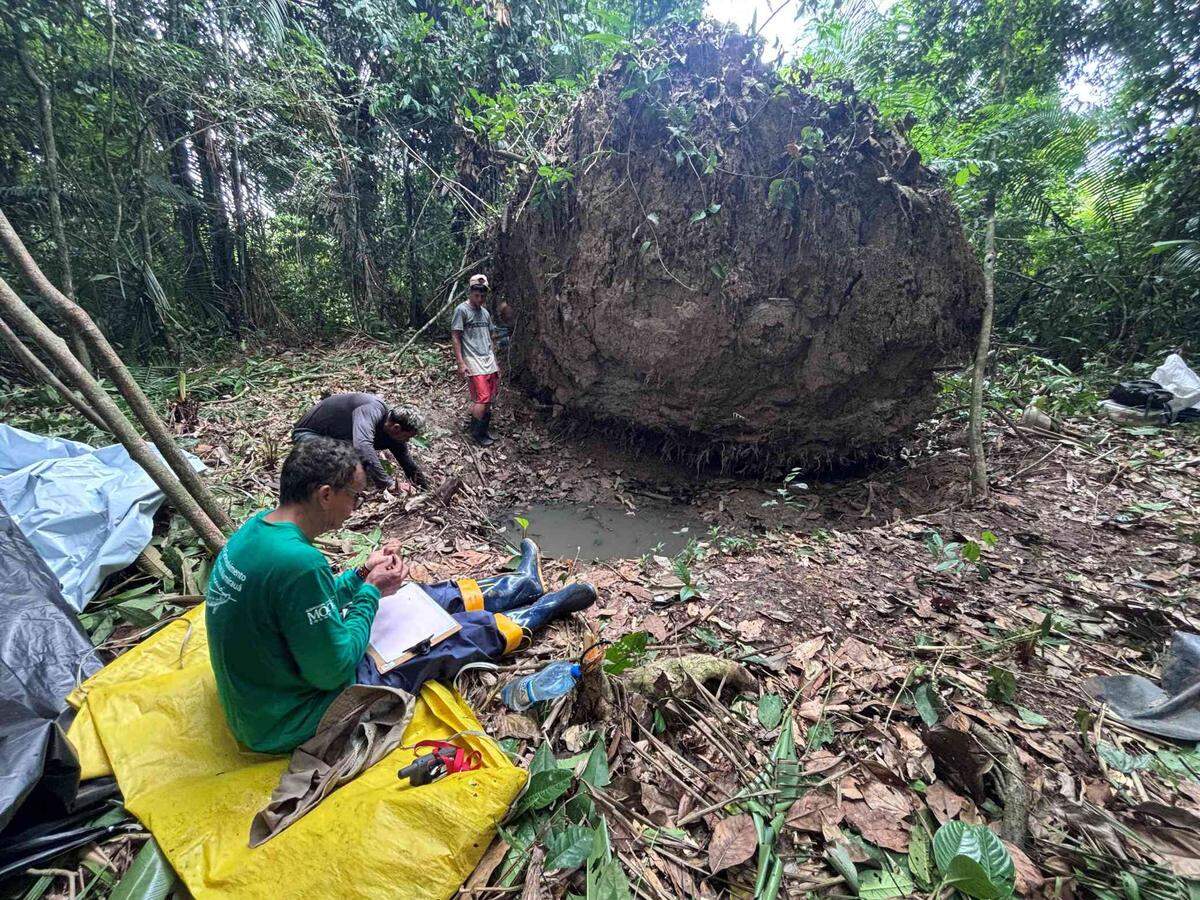
Due to the site’s remote location, transporting the urns for analysis was a massive, collaborative effort requiring complex logistical adaptations, a 10-12 hour river journey and careful handling.
Archaeologists called the entire excavation an innovative process, both from a technical and social standpoint. Community members brought critical local and traditional knowledge and were actively involved in the excavation and transportation of the artifacts, according to the release.
Experts attribute the project’s success to the joining of science and tradition.
The remains are being analyzed in Tefé in Brazil’s Amazonas state.
Google Translate was used to translate the news release from the Mamirauá Institute.