Migrating sea creature gets ‘lost’ in Australia bay. Watch dolphin pod step in
In the month of June, tens of thousands of humpback whales make the journey from the freezing waters around Antarctica to warmer waters.
They work their way up the coast of Western Australia to their breeding grounds north of the country.
Even though so many whales make the journey, it doesn’t mean that the occasional humpback doesn’t get lost.
But luckily, there are other sea dwellers that can step in to help.
Volunteers with the Dolphin Discovery Centre in Bunbury, Australia, were on a lookout in Koombana Bay when they spotted an animal in the water much too large to be one of the dolphins they are used to seeing, the organization said in a June 19 Facebook post.
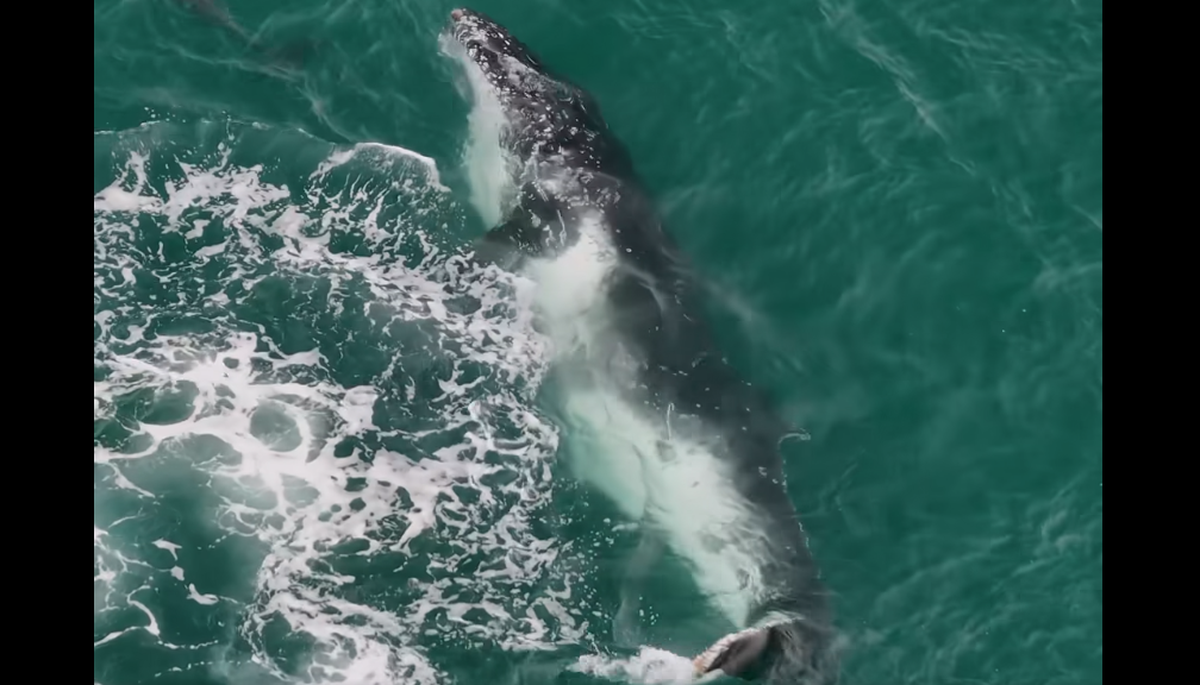
They pulled out their binoculars and spotting scopes and saw that a young humpback whale had made its way into the bay, according to the post.
The humpback whale was “lost,” the organization said, because as the migrating whales pass by the bay, “sometimes it happens that an animal gets spooked by a predator, is ... injured or might have a fishing gear entanglement.”
The humpbacks can “seek for shelter in calmer and more shallow parts to rest up,” the organization said, but they need to keep moving to stay on their migration routes.
With a drone in the air, the wildlife specialists saw the whale appeared to be in good health, and wasn’t dragging any fishing material, according to the post.
Soon, however, the whale wasn’t alone.
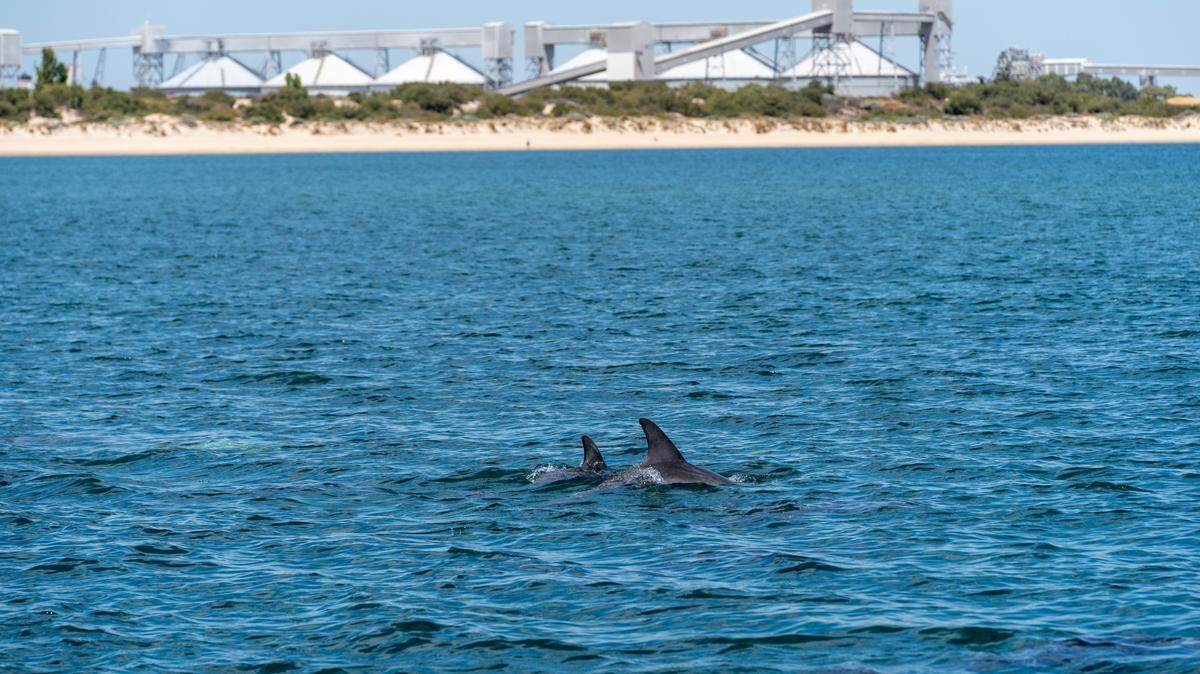
As the volunteers were watching the whale, it was joined by a pod of dolphins in the bay, the organization said.
“Then the dolphins took over and while playing and interacting with each other they slowly guided their large cousin out of the bay toward the deeper waters of Geographe Bay heading back up north,” the organization said.
Dolphin Discovery Centre posted a video of the magical encounter.
“Isn’t nature amazing?! What a great story and fantastic footage,” one person commented on the video.
“Just having a bit of fun after that long swim from Antarctica,” another said.
More than 45,000 humpback whales make the Western Australia migration between June and November each year, making it the largest humpback migration in the world, according to Whale Watch Western Australia and the Marine Mammal Protected Areas Task Force.
Some humpback whales can swim as many as 5,000 miles during their migration, feeding on crustaceans and small fish along the way with their baleen plates, or sieve-like mouth structures, according to the National Oceanic and Atmospheric Administration.
The humpback whale population has made a significant comeback since the end of commercial whaling in 1985, NOAA says, but the species still faces threats from fishing gear, vessel strikes, vessel harassment and overall ocean noise.
Koombana Bay is in northern Bunbury, a town on the southwestern coast of Western Australia.