Portuguese man o’ wars — known for their sting — are actually 4 species. See them
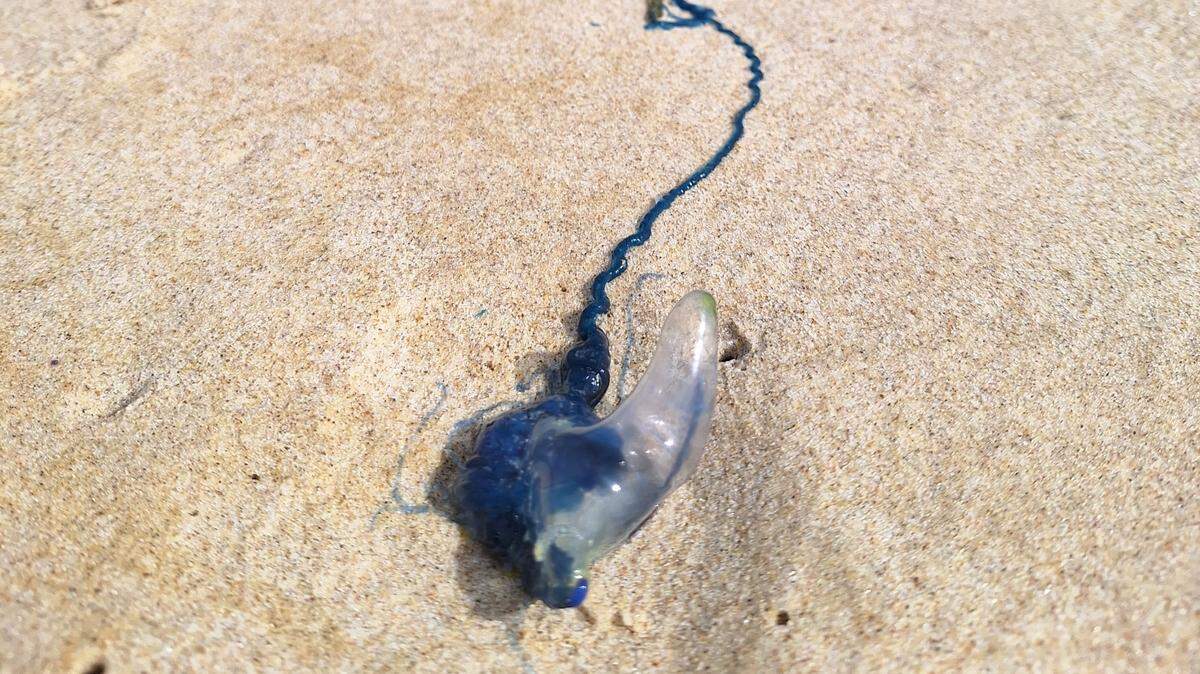
Despite their vibrant blue color and delicate bodies, seeing a Portuguese man o’ war along the coast sends beachgoers in the opposite direction.
These jellyfish-like animals are known instead for their sting, prompting warnings from wildlife officials when they make their way onto beaches around the world.
Now, researchers studying these unique creatures have found that Portuguese man o’ wars — also known as bluebottles — may actually belong to at least four distinct species.
A research team led by Yale University, in Connecticut, and the University of New South Wales and Griffith University, in Australia, analyzed the genetics of more than 150 bluebottles from around the world to better understand how the widespread species was related to one another, according to a study published June 19 in the peer-reviewed journal Current Biology.
The team sequenced the genome of each bluebottle, then grouped them together in clusters based on their geographic range in the oceans, according to the study.
What they found was distinct genetic differences between groups of man o’ wars from different areas, despite some overlap between the populations, according to the study.
“We were shocked, because we assumed they were all the same species,” study author Kylie Pitt said in a June 20 news release from Griffith University. “But the genetic data clearly show they’re not only different, they’re not even interbreeding despite overlapping ranges. The bluebottle is uniquely suited to long-distance travel, using its gas-filled float and muscular crest to catch the wind and sail the sea surface.”
The study describes four species: Physalia physalis, Physalia utriculus, Physalia megalista and Physalia minuta.
Researchers confirmed the species deviations by comparing their collected man o’ wars to more than 4,000 images posted on the citizen-science website iNaturalist, according to the study.
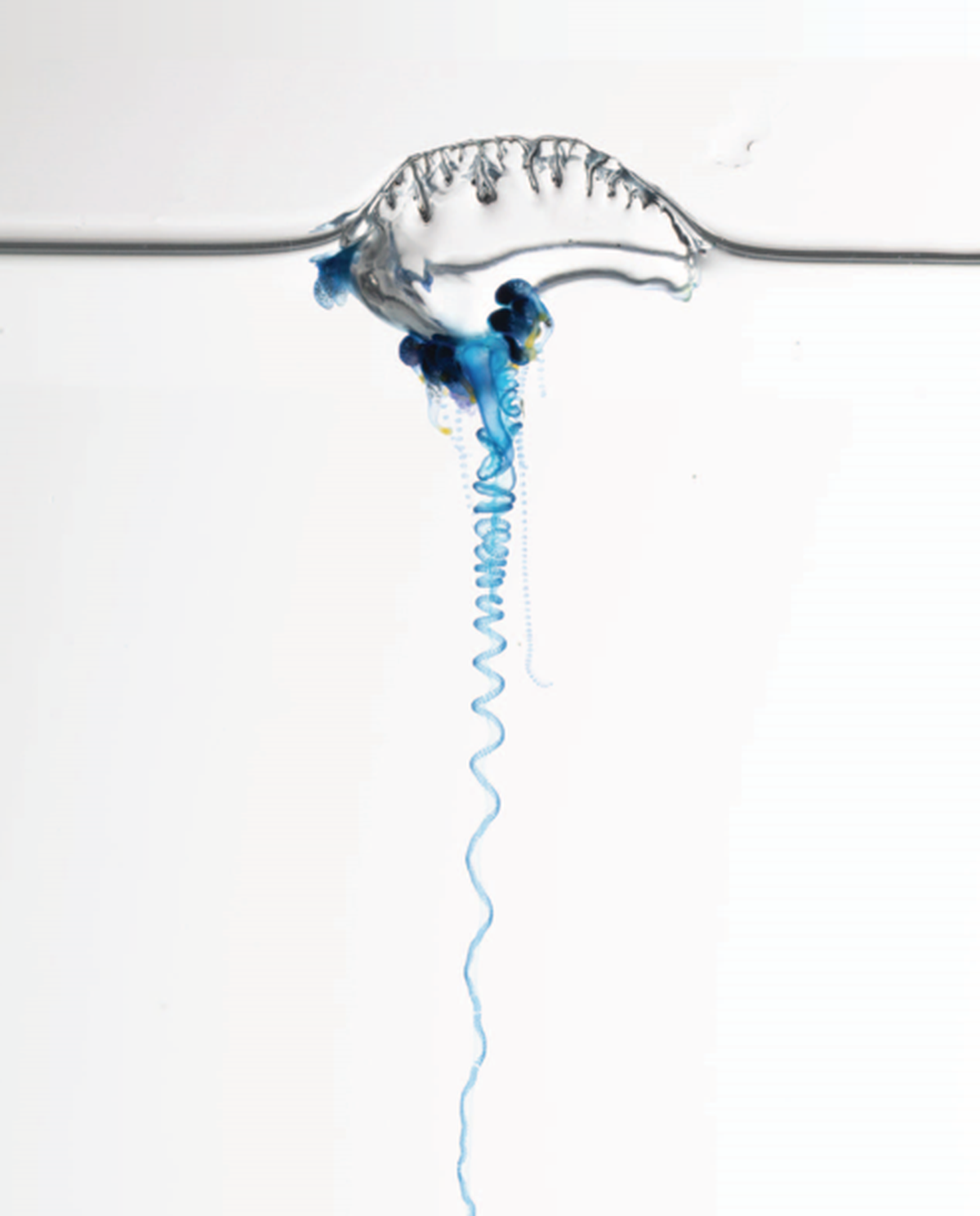
They compared differences in tentacle length, color and other physical characteristics to previous records of man o’ wars found around the world, including in centuries-old publications that previously argued the species should be broken up, according to the study.
Physalia minuta is described for the very first time as a new species, according to the study.
The species is “distinguished from other Physalia by its small size at maturity and colony arrangement with multiple principle tentacles,” researchers said, earning the species its name “minuta,” meaning small.
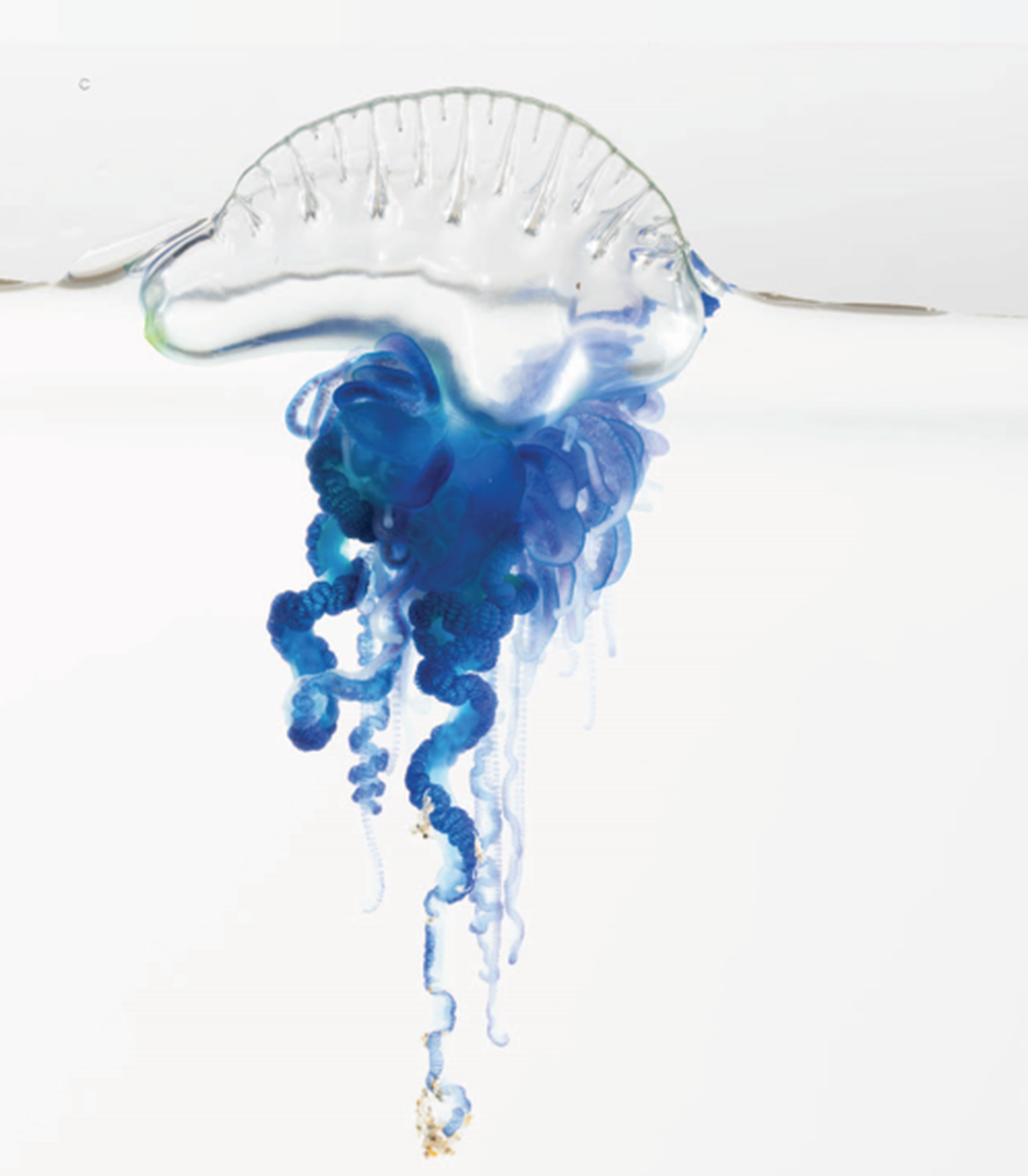
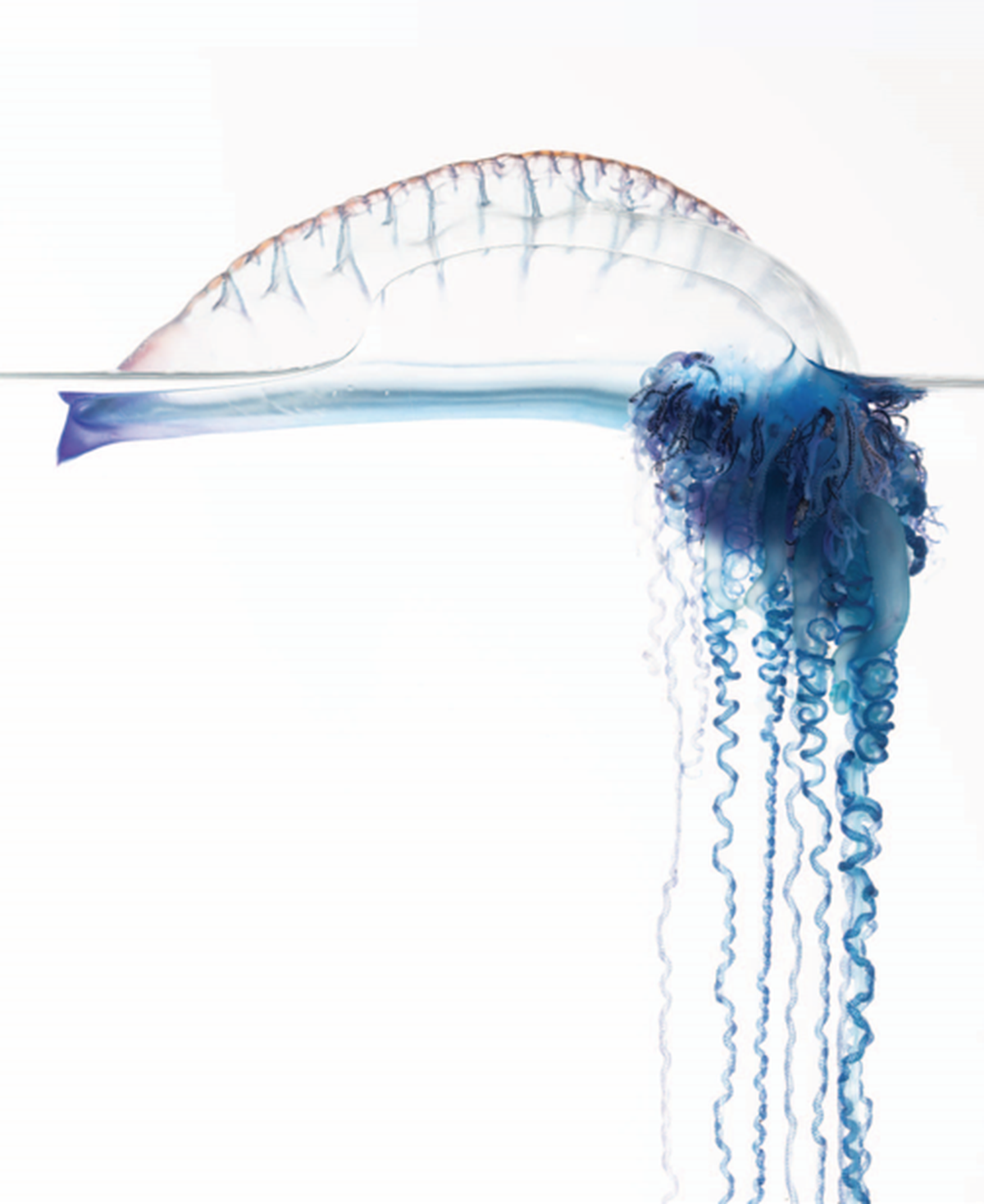
The well-known Portuguese man o’ war — Physalia physalis — may look like a jellyfish, but it’s actually a siphonophore, or a colony of animals that live together to create the complete structure, according to the National Oceanic and Atmospheric Administration.
The specialized animals are called zooids and are genetically identical but each serve a different function for survival, such as floating, catching prey or reproduction, NOAA says.
Man o’ wars use a balloon-like float to move up and down in the water column, according to NOAA, and their tentacles can grow an average of 30 feet long, with some man o’ wars reaching as long as 100 feet.
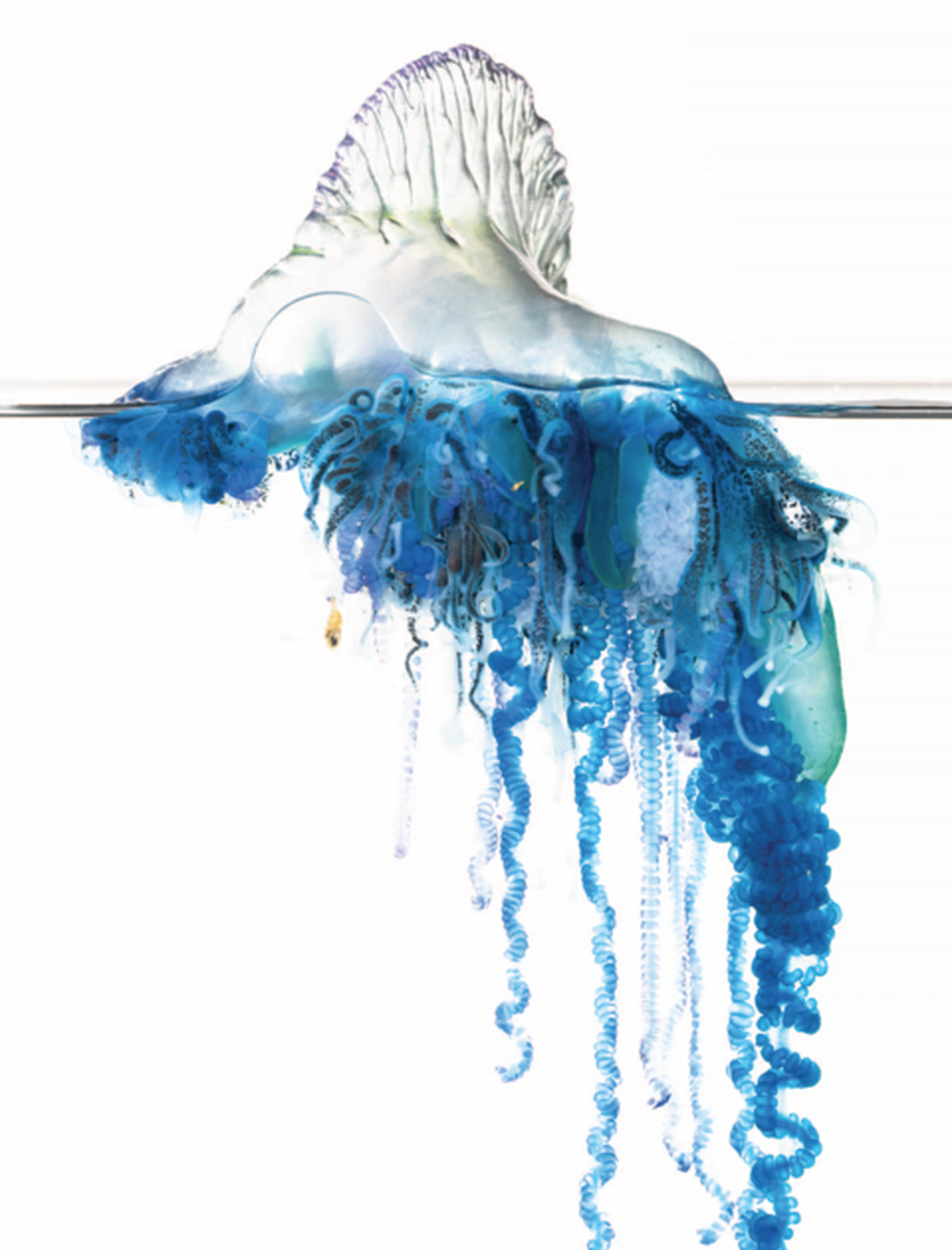
“There’s this idea the open oceans all connected, and it’s just one species of bluebottle and they’re all globally connected because they drift with the wind and the current. But that’s absolutely not the case,” Pitt said in the release. “And what’s really interesting in Eastern Australia is that we have multiple species that have evolved despite potentially co-existing.”
Researchers said further studies will be needed to understand why, despite overlapping and being in the same environment, the man o’ wars deviated, according to the release.
The research team includes Pitt, Samuel H. Church, River B. Abedon, Namrata Ahuja, Colin J. Anthony, Dalila Destanović, Diego A. Ramirez, Lourdes M. Rojas, Maria E. Albinsson, Itziar Álvarez Trasobares, Reza E. Bergemann, Ozren Bogdanovic, David R. Burdick, Tauana J. Cunha, Alejandro Damian-Serrano, Guillermo D’Elía, Kirstin B. Dion, Thomas K. Doyle, João M. Gonçalves, Alvaro Gonzalez Rajal, Steven H.D. Haddock, Rebecca R. Helm, Diane Le Gouvello, Zachary R. Lewis, Bruno I.M.M. Magalhães, Maciej K. Mańko, C. Gabriela Mayorga-Adame, Alex de Mendoza, Carlos J. Moura, Catriona Munro, Ronel Nel, Kohei Oguchi, Jessica N. Perelman, Laura Prieto, Moninya Roughan, Amandine Schaeffer, Andrea L. Schmidt, Javier Sellanes, Nerida G. Wilson, Gaku Yamamoto, Eric A. Lazo-Wasem, Chris Simon, Mary Beth Decker, Jenn M. Coughlan and Casey W. Dunn.