Endangered creature returns to island off New Zealand for first time in 60 years
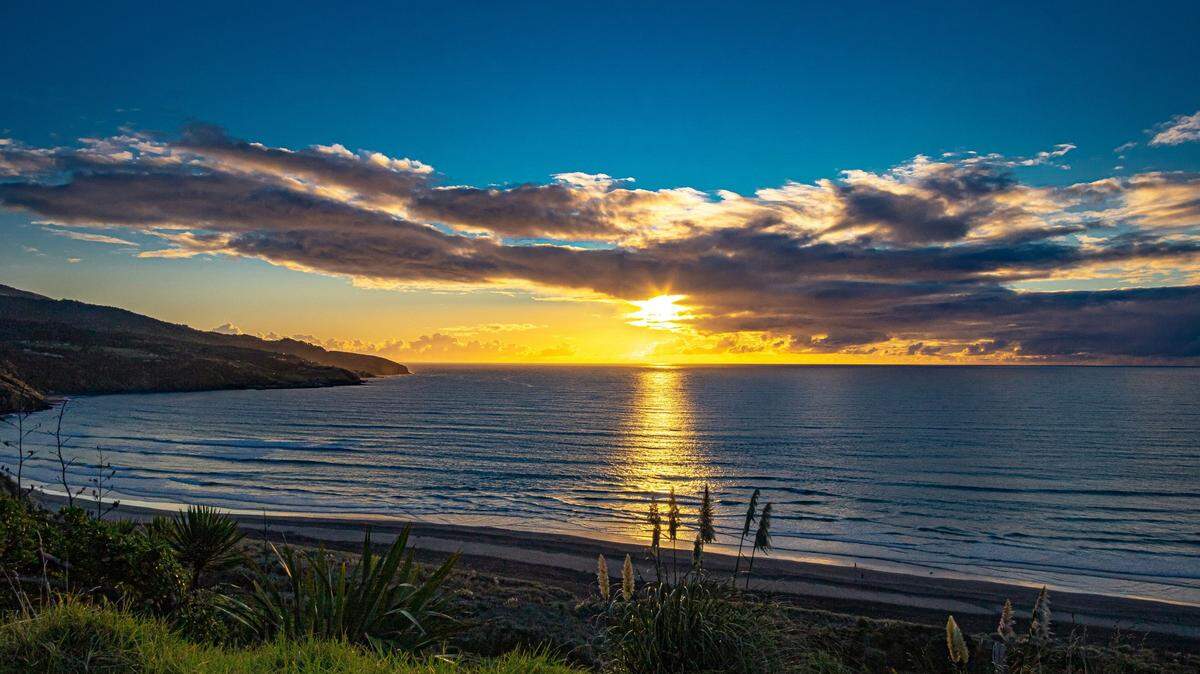
For the first time in more than six decades, an endangered bird has returned to a small New Zealand Island.
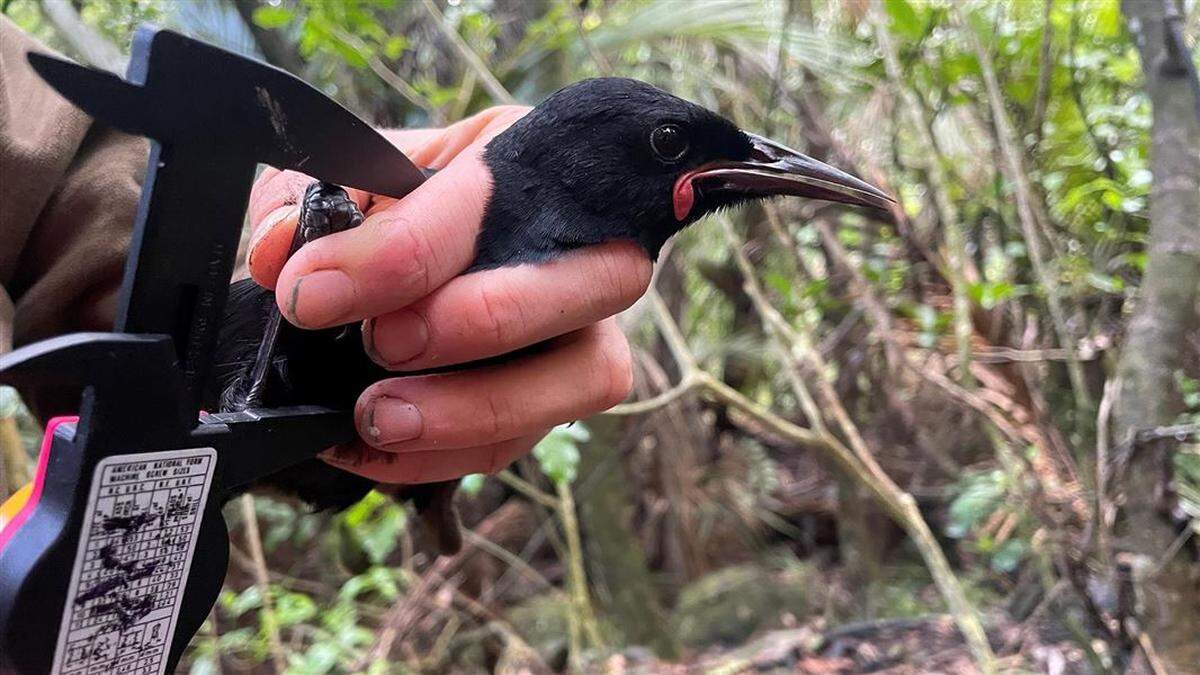
A total of 40 tīeke, or saddlebacks, were reintroduced to Rakitū Island on Aotearoa (New Zealand)’s northeast coast, according to a June 11 news release from the Department of Conservation.
The birds were once plentiful on Rakitū and to the islands north and south, but the accidental introduction of rats in the 20th century quickly put their populations in danger, officials said.
“A boat accidentally brought ship rats to Big South Cape Island (largest of its three island homes), and quickly spread to the other two,” officials explained.
By the 1960s, the species was on the brink of extinction, and officials were forced to step in to try and save the birds.
In 1964, just 36 saddlebacks remained, officials said, and they were removed from the islands until the rat problem could be solved.
“Formed from the remains of an eroded volcano, Rakitū was first discovered by Ngāti Rehua ancestors 800 years ago and has been a place of significance ever since,” officials said in the release.
Rats were officially irradiated from the island in 2018, officials said, and “the island has seen a strong return of its unique flora and fauna including native birds and rare large-leaved forms of rangiora, tawa and kawakawa.”
It was now time to bring tīeke home.
“Since rats were eradicated, we’ve seen the mauri/lifeforce returning to the (island),” Department of Conservation Aotea operations manager Fletcher Beazley said in the release.
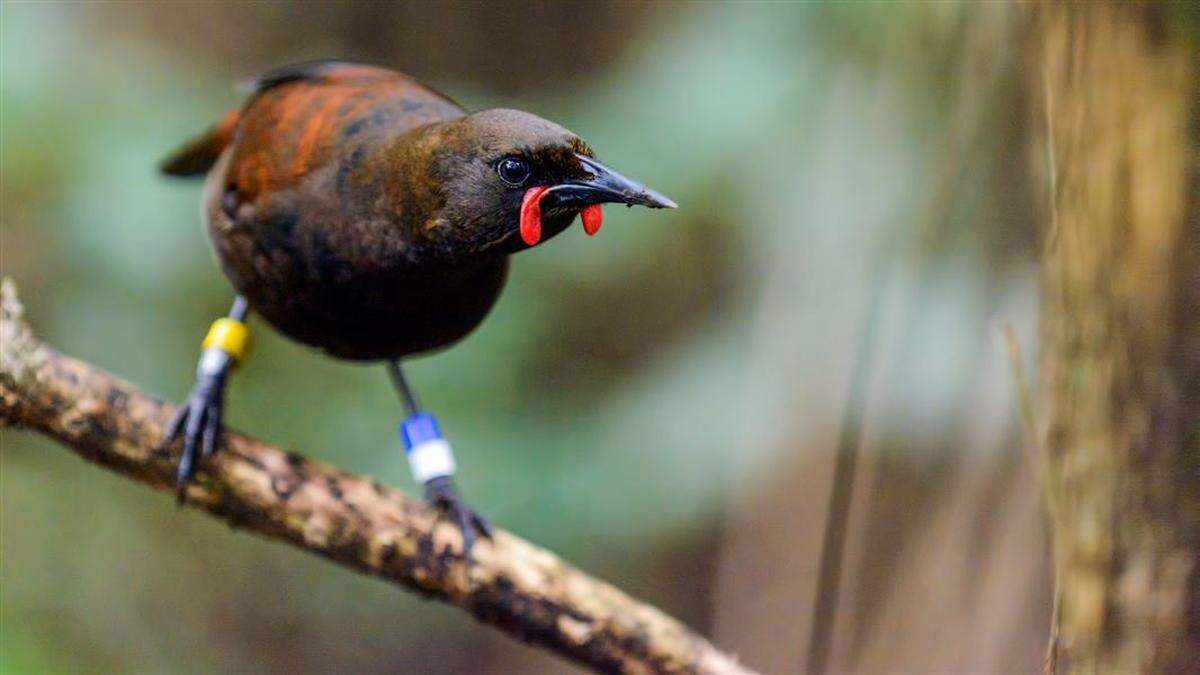
There are now multiple mainland sanctuaries for the birds, allowing the population to grow and eventually be reintroduced to all of its native habitats, officials said.
“The North Island saddleback is now resident on 19 islands and is in a favorable position to survive provide invasive predators are kept off these islands. The South Island species is on 11 smaller islands but its tiny founding population leaves it vulnerable to inbreeding,” officials said.
Rakitū Island, home of the Rakitū Island Scenic Reserve, includes just over 800 acres of uninhabited land with cliffs going down to the sea, with an “imposing fortress-like appearance,” officials said.
The island is off the northern coast of the north island of New Zealand, in the southern Pacific.