Massive pits may actually be ‘rare’ 4,200-year-old ritual holes in UK. See them
Ancient gold, weapons or ruins help archaeologists learn about the elite of the past. The glamorous finds, while spectacular, are part of a small section of society.
To learn more about common people, archaeologists have to examine the simpler things.
Researchers excavating the site of a future nuclear project in the United Kingdom, Sizewell C, discovered hundreds of “seemingly unassuming” pits spread across the landscape, according to a June 4 news release from Oxford Cotswold Archaeology.
They may just seem like dirt holes, but they actually “hold invaluable clues about the ancient communities that once thrived in this area,” archaeologists said.
The pits were dated to the Neolithic period, between 4,200 and 6,000 years ago, according to the release.
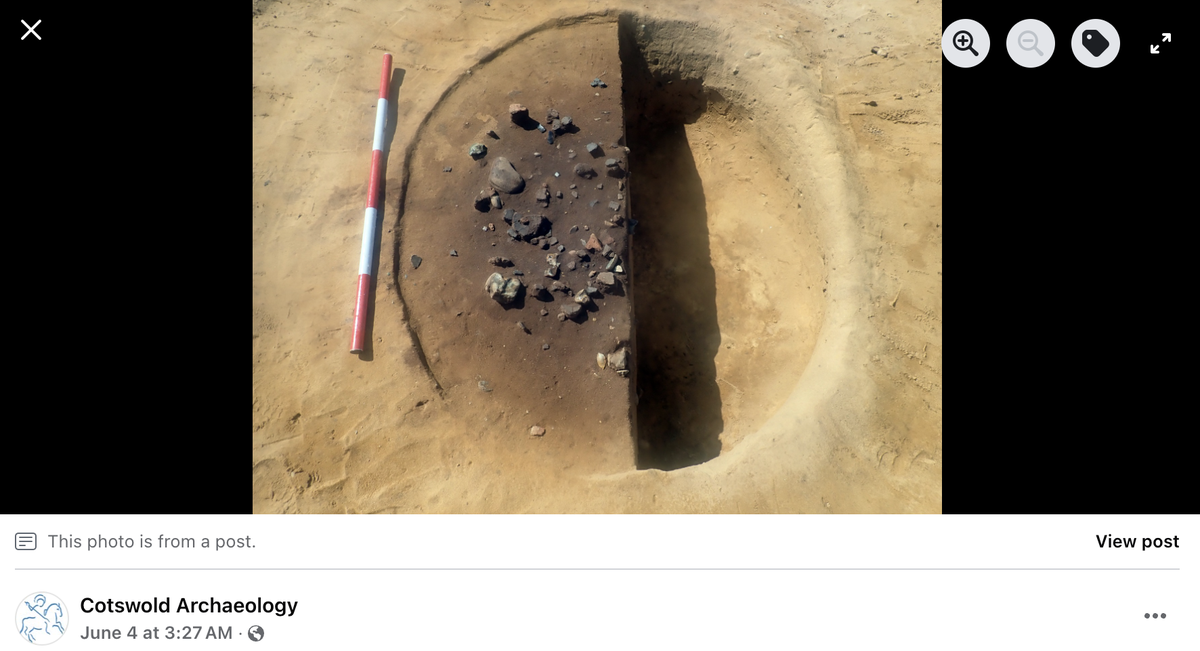
The 300 pits were filled with items like pottery, flint pieces, charcoal, animal bones and hazelnut shells, researchers said.
The pits are primarily circular and “bowl-shaped,” ranging in size from 3 feet across to nearly 10 feet across, according to the release.
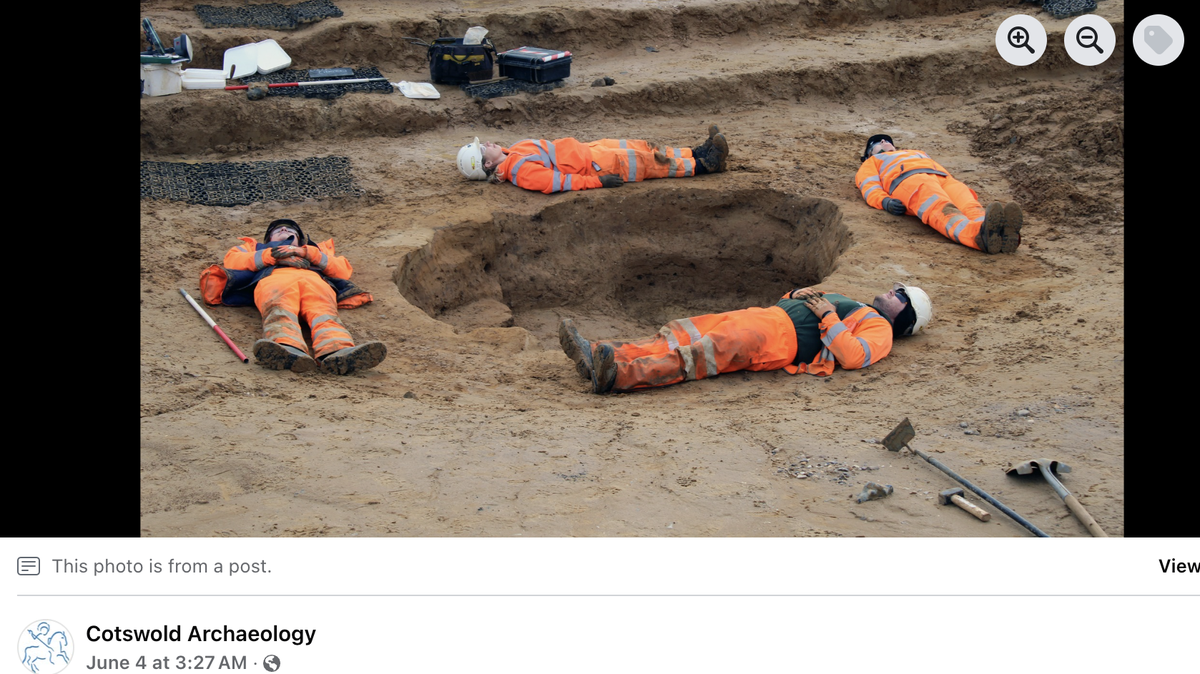
“Some are hot-tub sized, others — rare in the UK — are large enough to hold a whole cow,” according to a June 4 Facebook post from Cotswold Archaeology.
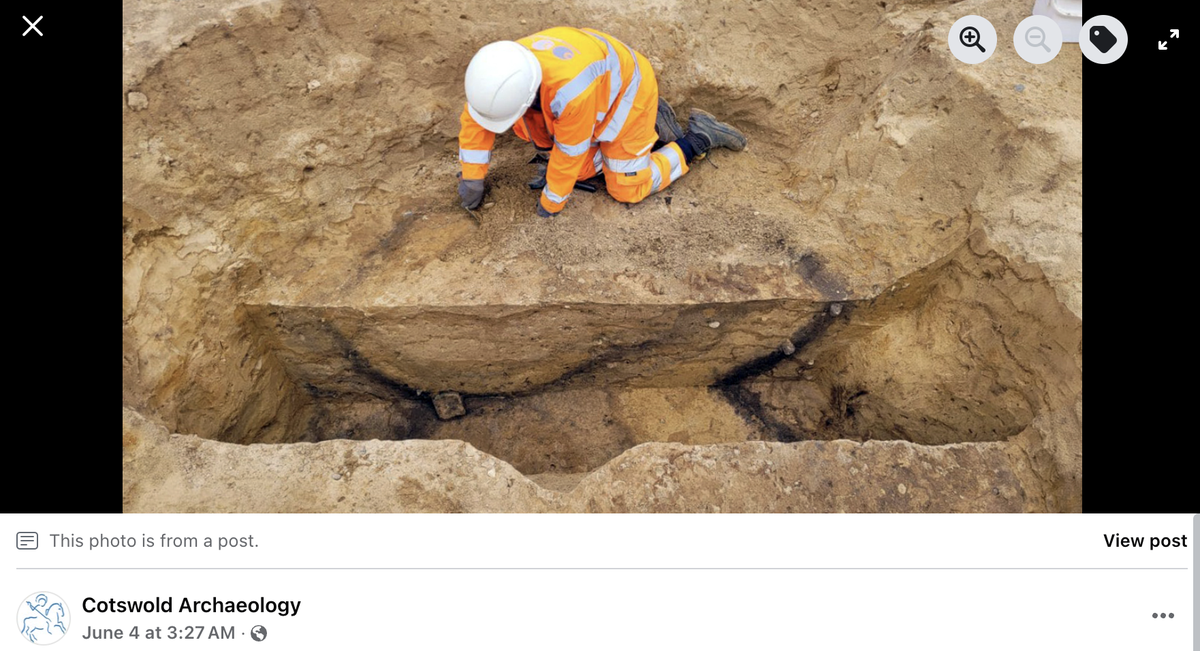
The items inside the pit suggest they were used for domestic activities, but archaeologists say it may be more complicated than that.
“While they contain objects that were clearly produced by normal day-to-day activities, there isn’t enough material to identify them as prehistoric rubbish bins,” according to the release. “Therefore, as there is no clear strictly practical explanation for their use, the archaeologists think they may have had special, ritual meaning. It is not very common for the Early Neolithic, but some of the finds seem to have been carefully ‘placed’ in the pits.”
Similar pits have been found at Neolithic landmarks like Durrington Walls, a site near Stonehenge, archaeologists said. The pits might be used to mark a significant moment in a settlement’s life on the landscape.
Researchers found “unusually” well-preserved houses built on top of the pits at Durrington Walls, according to the release. When the house was done being used, ancient people cut a hole through the floor and dug the pit, then filled it with domestic rubbish. The same might have been done at the Sizewell C site, archaeologists said, but the 1,000 years between the two sites raises questions on their connection.
“A much simpler possibility is that these pits were latrines (toilets) that were filled with the surrounding rubbish when the settlement was abandoned,” according to the release. “As the pits often appear in pairs or small groups, it is possible that a new latrine pit may have been dug in the same area (being careful not to dig into the old one!) when settlements were seasonally reoccupied.”
About six significantly larger pits found at the site may have been used for storage, as pits of their size are rare across the country, possibly for grain, archaeologists said.
A quern stone, or tool used to grind grain into flour, and an upside-down pot were found in two of the pits, respectively, according to the release.
“At Sizewell the pits occur singularly, in pairs, as small groups, or as larger concentrations. It is likely that this also has significance,” archaeologists said.
Sizewell C is on the East Suffolk coast, on the southeastern coast of England.