Hobbyists dig up 4,500-year-old blade, lead archaeologists to sensational find
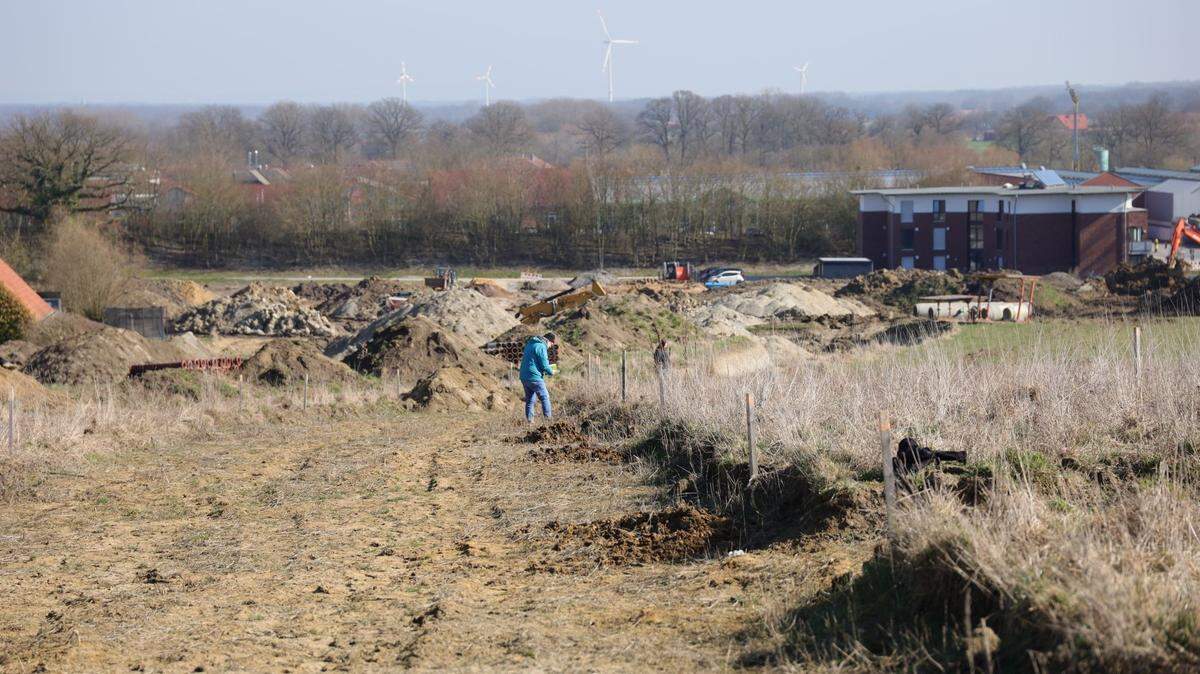
A group of amateur archaeologists made a surprising Neolithic discovery at a construction site in northwestern Germany that stunned even professionals.
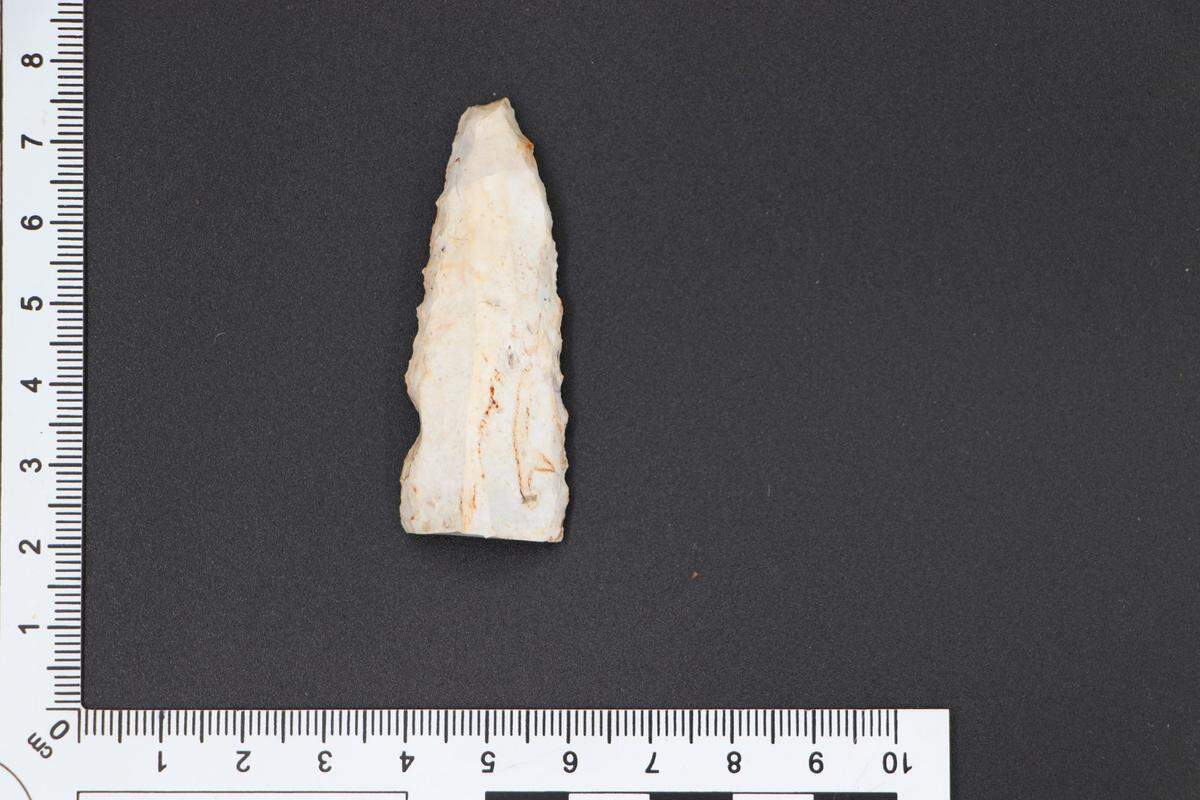
They had unearthed a 4,500-year-old flint blade fragment — a rare Stone Age find — in the Kernmünsterland region, along access roads to an area under development, according to a June 10 news release from the Regional Association of Westphalia-Lippe.
Flint blades, or knives, were ancient cutting tools made from flint stones, according to Cotswold Archaeology.
Experts said the heavy clay soils in the Kernmünsterland are not ideal for artifact preservation, and as a result, they have discovered hardly any Stone Age sites in the region.
When staff of the Archaeology Center for Westphalia were shown the find, they decided to investigate the site themselves, according to the release.
While conducting their own search, they found an even older artifact associated with the creation of small arrowheads dated to the Middle Stone Age between 9650 and 4900 B.C., officials said, calling it a sensational discovery.
Experts said the layer of soil where the artifacts were discovered has been severely disturbed by years of cultivation, making a full-scale excavation of the site unnecessary.
Officials said they expect to find more individual artifacts that could shed light on the ancient history of the region.
The Regional Association of Westphalia-Lippe Archaeology Department is now monitoring the construction project, according to the release.
Google Translate was used to translate the news release from the Regional Association of Westphalia-Lippe.