Very rare 300-year-old artifacts found under monastery floor in Poland. See them
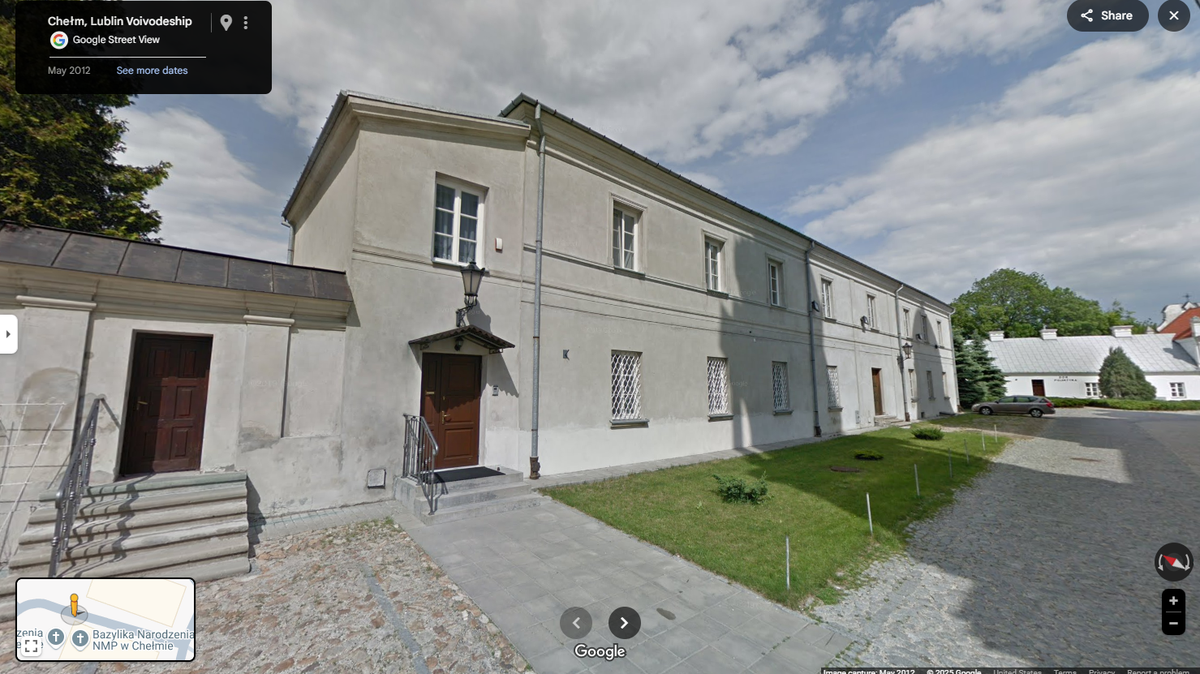
In a city of eastern Poland, a team got to work renovating a historic monastery. As part of the project, they removed the old wooden flooring — and uncovered some very rare 300-year-old artifacts.
A team of archaeologists began renovating the former Basilian monastery in Chełm in 2024, a project that’s both research and construction, the Lublin Voivodeship Conservator of Monuments said in a June 5 Facebook post.
Recently, workers removed the flooring on the first level and found hundreds of discarded items underneath used to fill in the ground, officials said. Archaeologists identified some of these fragments as very rare pieces of heraldic slab tiles.
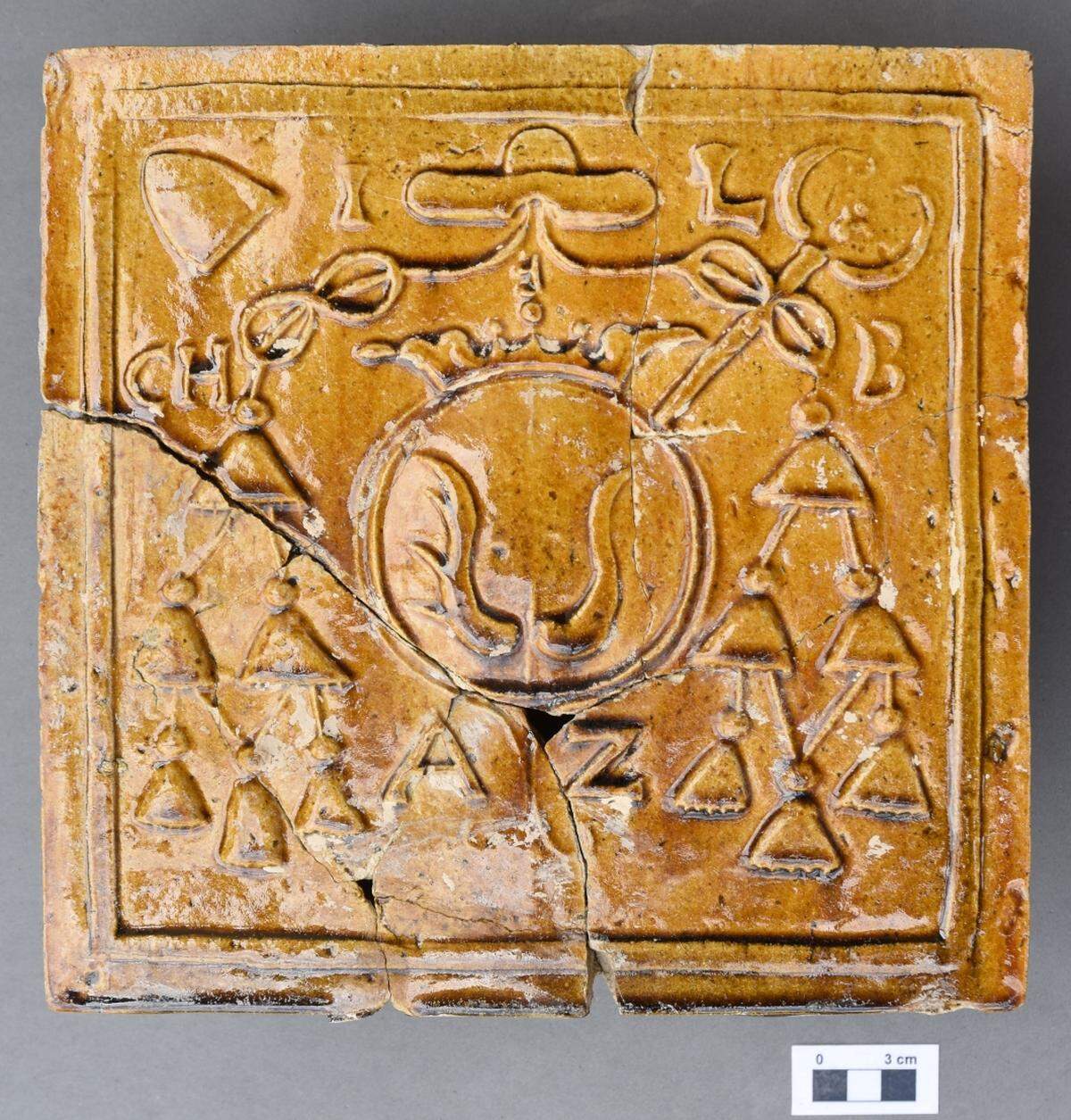
The 300-year-old tiles were custom-made for the monastery’s stove and had a personalized design, officials said. Photos show two of the glazed green and brown tiles.
At the center of the tiles is a coat of arms, identified by archaeologists as the emblem of Józef Lewicki, the Uniate bishop of Chełm from 1711 to 1730. Several initials, such as an “I,” “L” and “CH,” were also linked to Lewicki.
The rest of the design includes hanging bell-like figures, ribbons and a tool-like item, photos show.
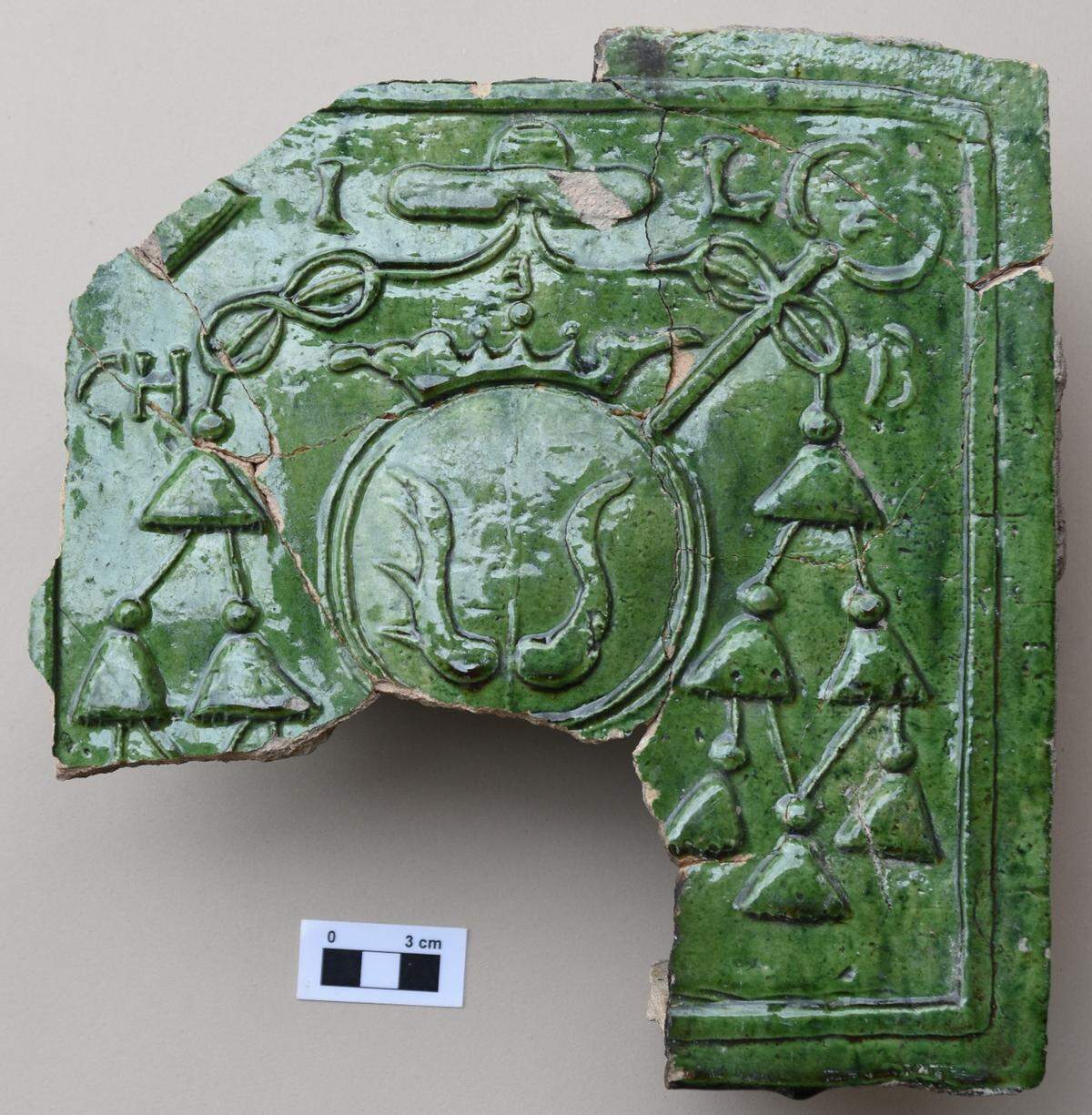
Culture officials described the artifacts as sensational and a discovery like no other.
Archaeologists plan to inventory the tile fragments, reconstruct as many as possible and continue studying the finds.
The historic monastery in Chełm is currently part of the campus of the Marian Sanctuary on Chełmska Mountain and used for residential purposes, according to the church.
Chełm is a roughly 150-mile drive southeast from Warsaw and near the border with Ukraine and Belarus.
Google Translate was used to translate the Facebook post from the Lublin Voivodeship Conservator of Monuments.