Century-old graffiti found at French prison reveals forgotten occupants. See it
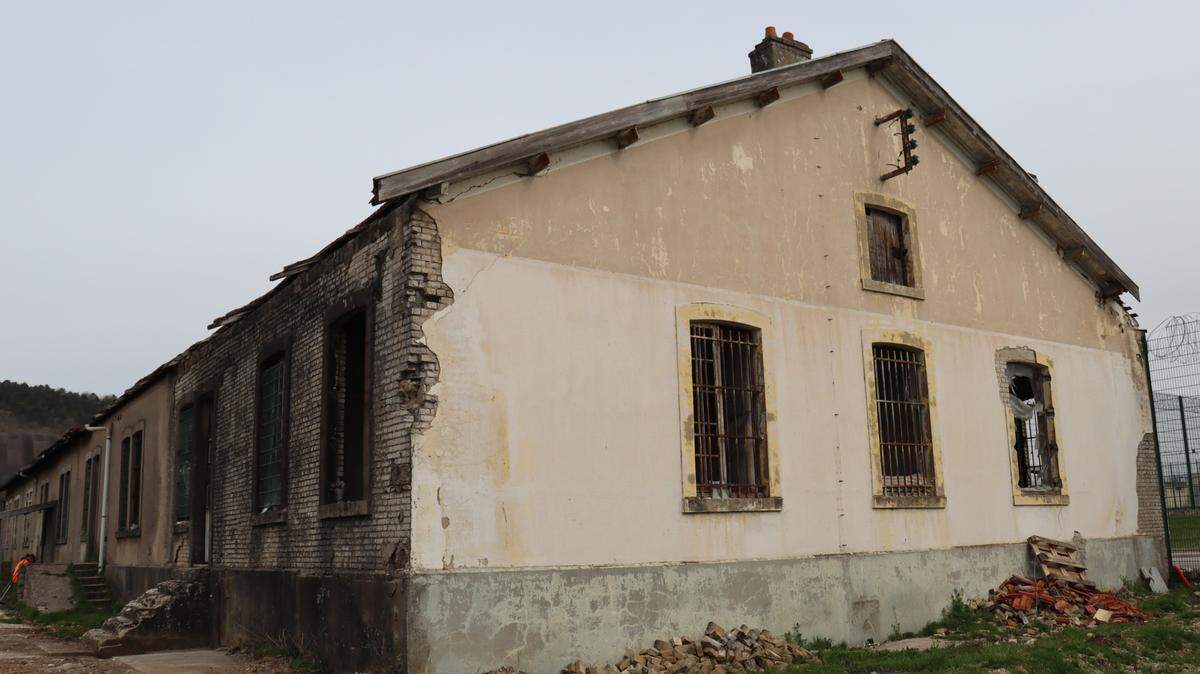
Building No. 7 of the Écrouves Detention Center sits abandoned on the prison property, decades after unsanitary and dangerous conditions made it unsafe to house inmates.
The prison wing was set to be demolished, making room for a new building under the France Ministry of Justice.
Then archaeologists found something hidden on the walls.
Specialists in contemporary conflicts were interested in studying the building before its destruction because of its former use as military barracks, according to a May 28 news release from the French National Institute for Preventive Archaeological Research.
The researchers conducted surveys to understand the development, alterations and transformations the facility underwent over its century-long history, including characterizing and describing the wall coverings of Building No. 7, according to the release.
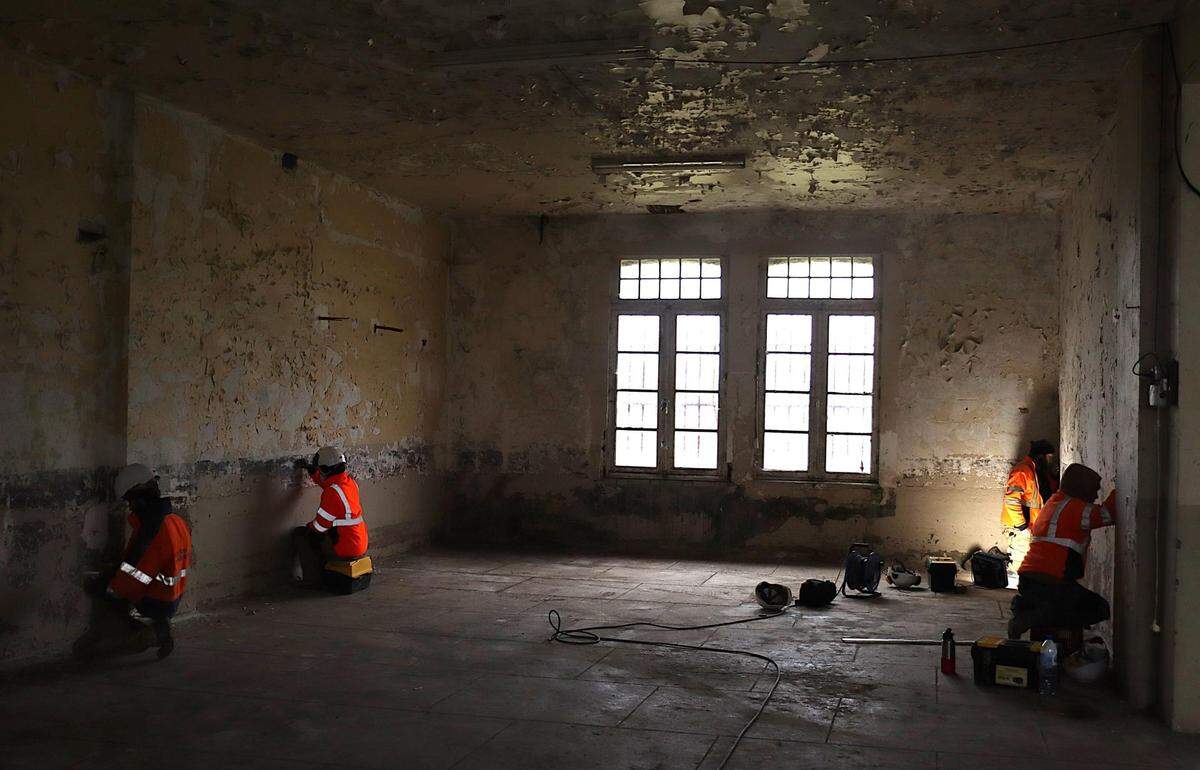
Some of the plasters and layers of paint were carefully and meticulously removed by scalpel and scraper, officials said, and the specialists noticed words engraved and painted under the top coats.
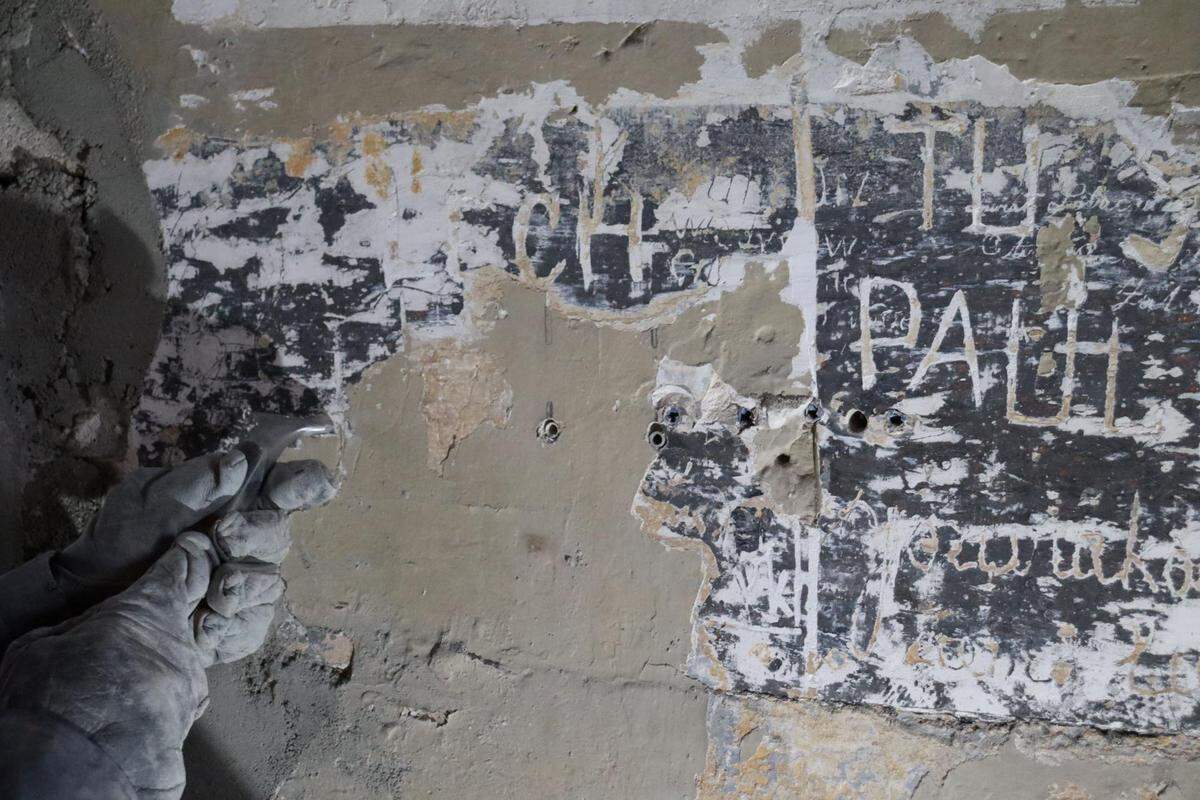
As they peeled back the layers, they found hundreds of graffiti written on the walls.
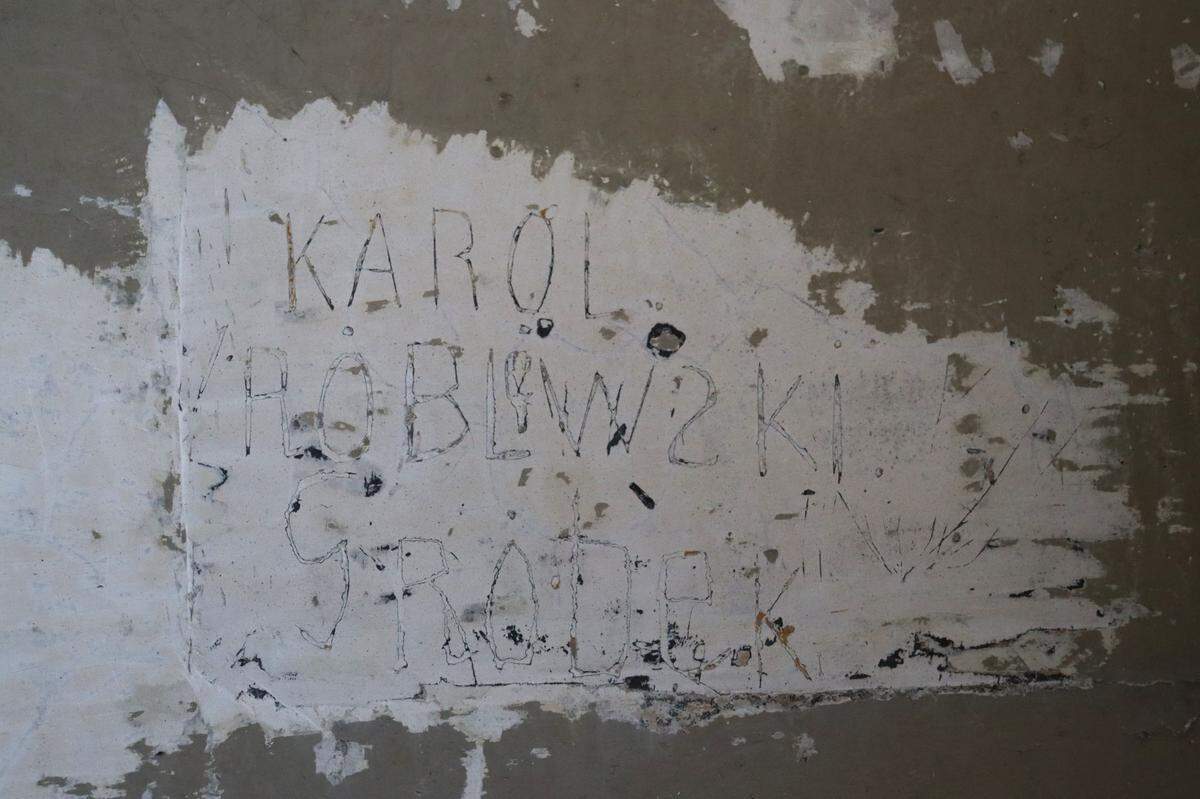
The words were names, surnames, dates, cities and towns, sometimes with illustrations for reference, according to the release.
The markings were dated to between 1924 and 1928, a period between the World Wars when the facility stopped being used as a barracks and before it was a prison, officials said.
Instead, the building was used as a stopping point for immigrants heading to eastern France to work in the mines and steelworks facilities, according to the release.
The majority of the names are Polish, but there are also French, German, Czech, Yugoslav and Italian former residents of the buildings written on the walls. The cities and towns are likely their cities of origin, officials said.
The section was built between 1913 and 1914 to house the 168th infantry regiment and later housed the No. 20 Complementary Hospital in World War I.
Companies of Spanish workers were housed starting in 1939 as they strengthened France’s military defense. In 1940, the barracks became an internment camp for Italian suspects, later used as a prisoner of war camp under the German occupation. Communist opponents were housed there in 1941, then Jews from Lorraine in 1942, according to the release.
It closed in 1944 when Allied troops liberated the region, then was used as a transit camp for Germans being sent home from civilian internment camps in France. In 1946, the Ministry of Justice took over the site, using it as a modern-day prison.
While so many have walked through the halls of Building No. 7, researchers were largely unaware of the significant number of immigrant workers staying there in between the two wars, according to the release.
Over the years, the walls were painted and repainted, walls torn down and modifications made, slowly covering up the pocket of history.
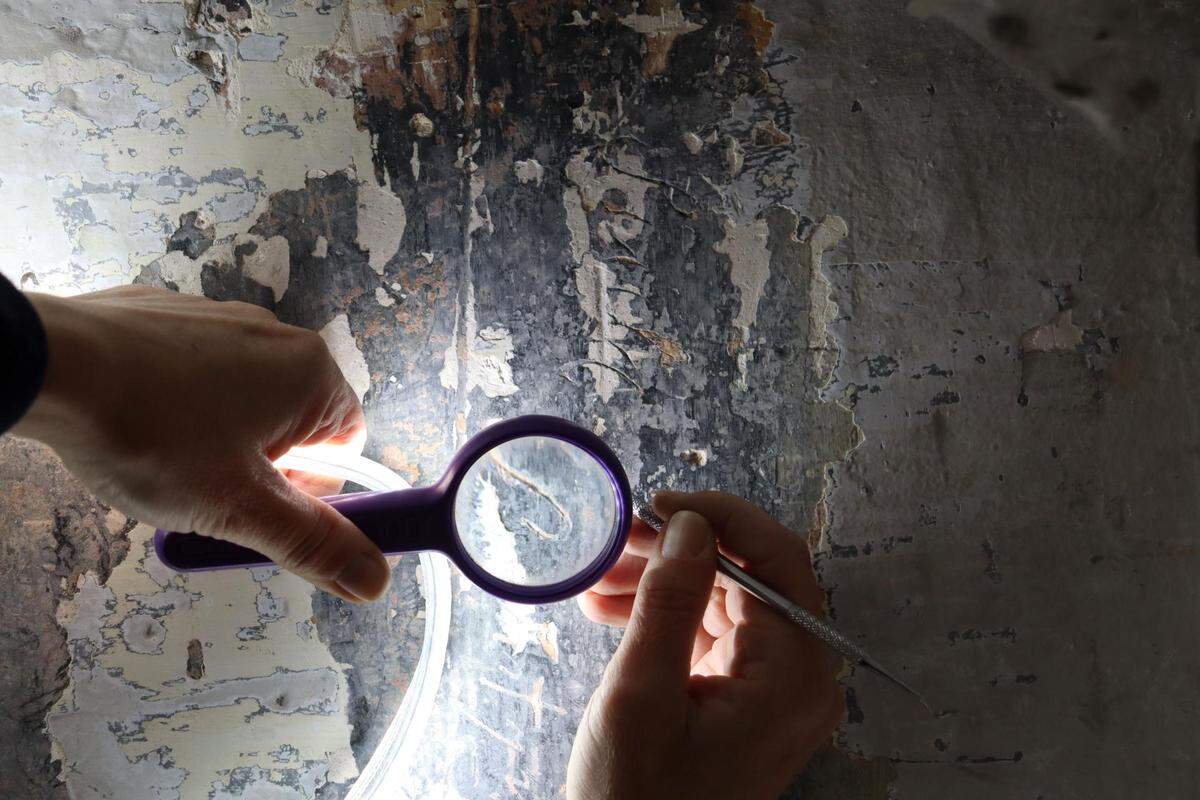
When excavations are completed, archaeologists will remove eight sections of graffiti-lined walls to study the written names and locations, according to the release.
Écrouves is in northeastern France, about a 200-mile drive east from Paris.
Google Translate was used to translate the news release from the French National Institute for Preventive Archaeological Research.