‘Pint-sized’ predator declared locally extinct in Australia. It’s making comeback
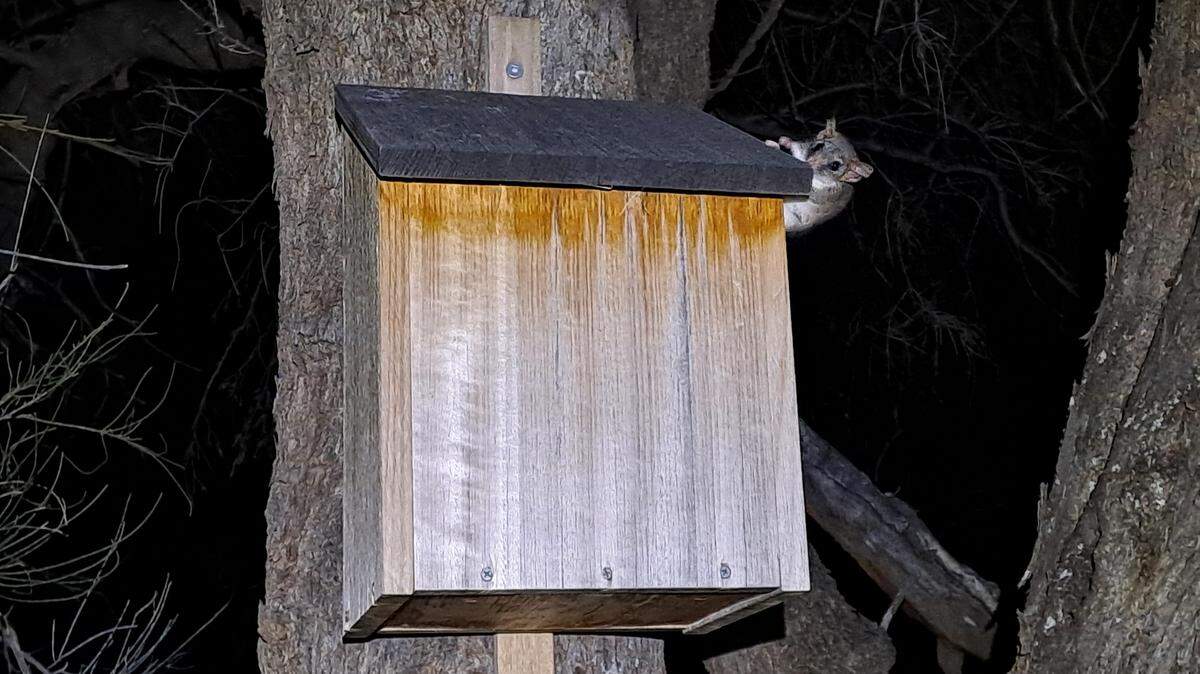
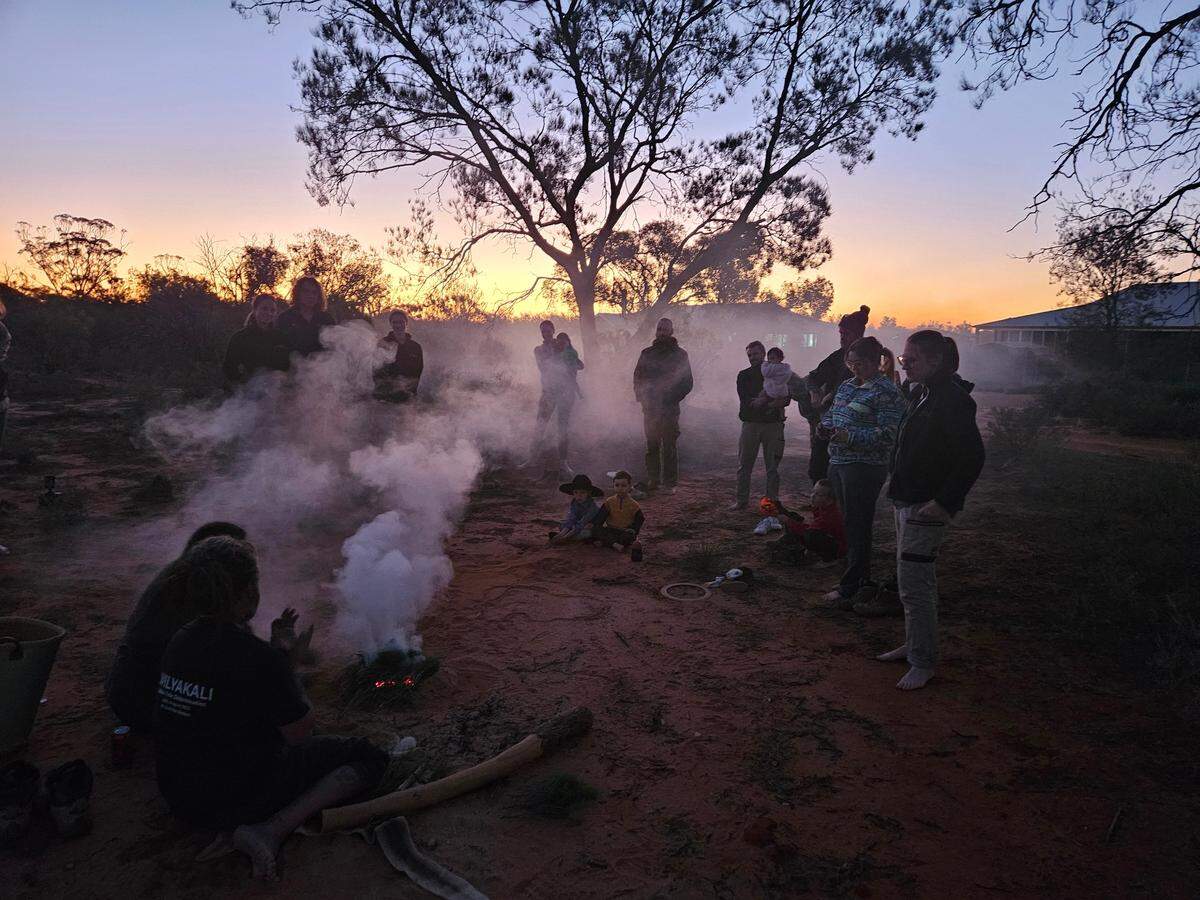
Just before sundown in the Scotia Wildlife Sanctuary of Australia, smoke filled the sky.
Representatives of the Barkindji people were conducting a smoking ceremony to prepare the sanctuary for the milestone return of a fearsome predator — 93 “pint-sized” phascogales.
Red-tailed phascogales, known locally as bulku in the Barkindji language, are tiny carnivorous marsupials that have been considered locally extinct in New South Wales since 2016, according to a May 29 news release from the Australian Wildlife Conservancy.
Driven to extinction in the region by the introduction of invasive species like cats and foxes, the phascogales have been kept alive through captive breeding programs, according to the conservancy.
The last phascogale seen in the Scotia Wildlife Sanctuary was recorded in 1866, the organization said, but that just changed.
A total of 56 females and 37 males have now been reintroduced into the wild from a breeding program at the Adelaide Zoo, following health checks, the conservancy said.
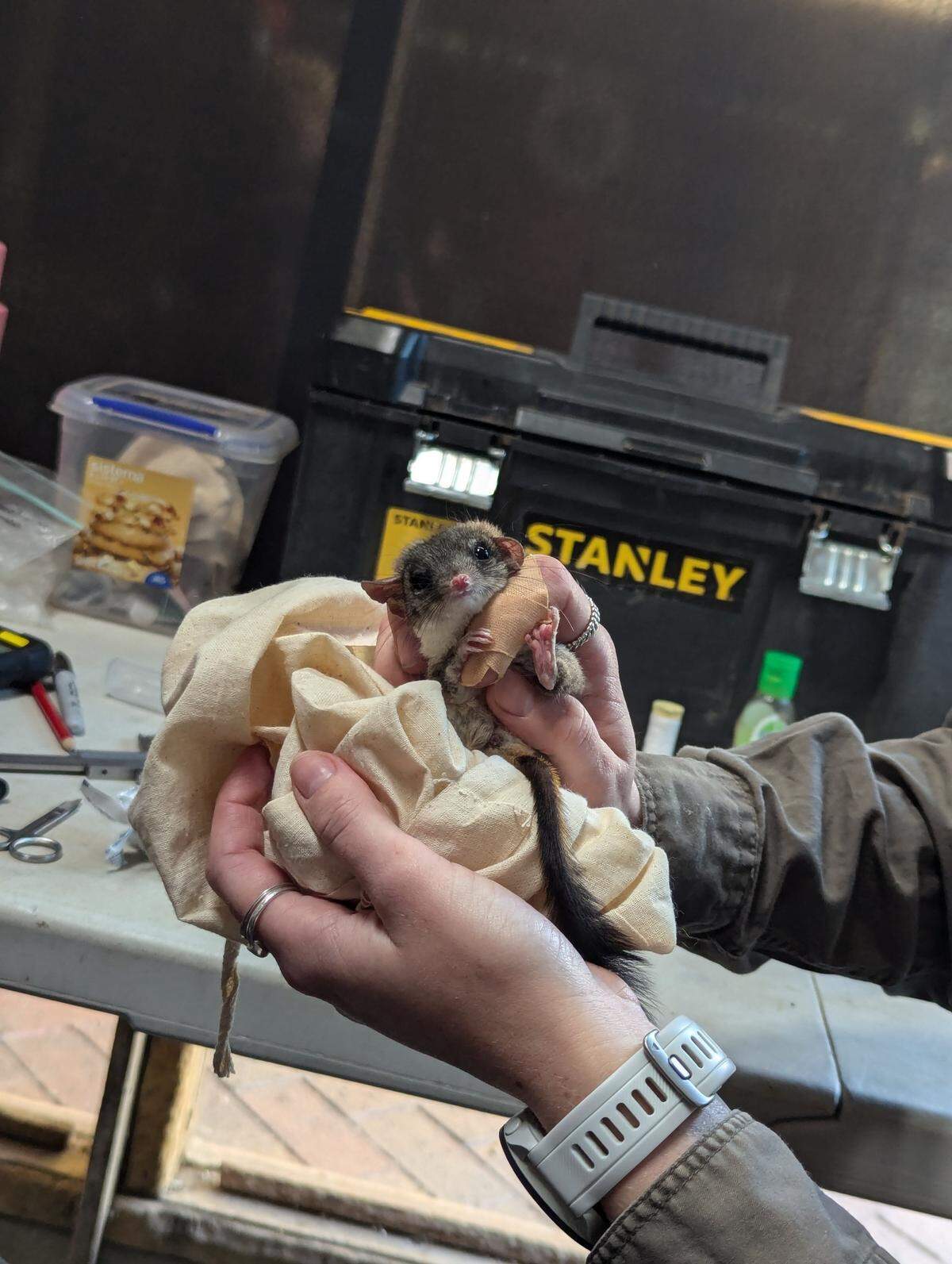
The bulku were packed into cars and driven seven hours from the zoo to the sanctuary, where they were met by local representatives, according to the release.
“According to AWC ecologists and Adelaide zookeepers, most of the phascogales slept soundly throughout the journey,” the conservancy said. Once the animals arrived, they “were awoken shortly after sundown, and one-by-one they were released into AWC’s Scotia Wildlife Sanctuary’s (19,768-acre) feral predator-free fenced area — one of the largest feral-free areas on mainland Australia.”
About a third of the animals, 26, were collared with tracking transmitters before their release, allowing wildlife officials to track their movements and how well they survive in the first six to eight weeks in the wild.
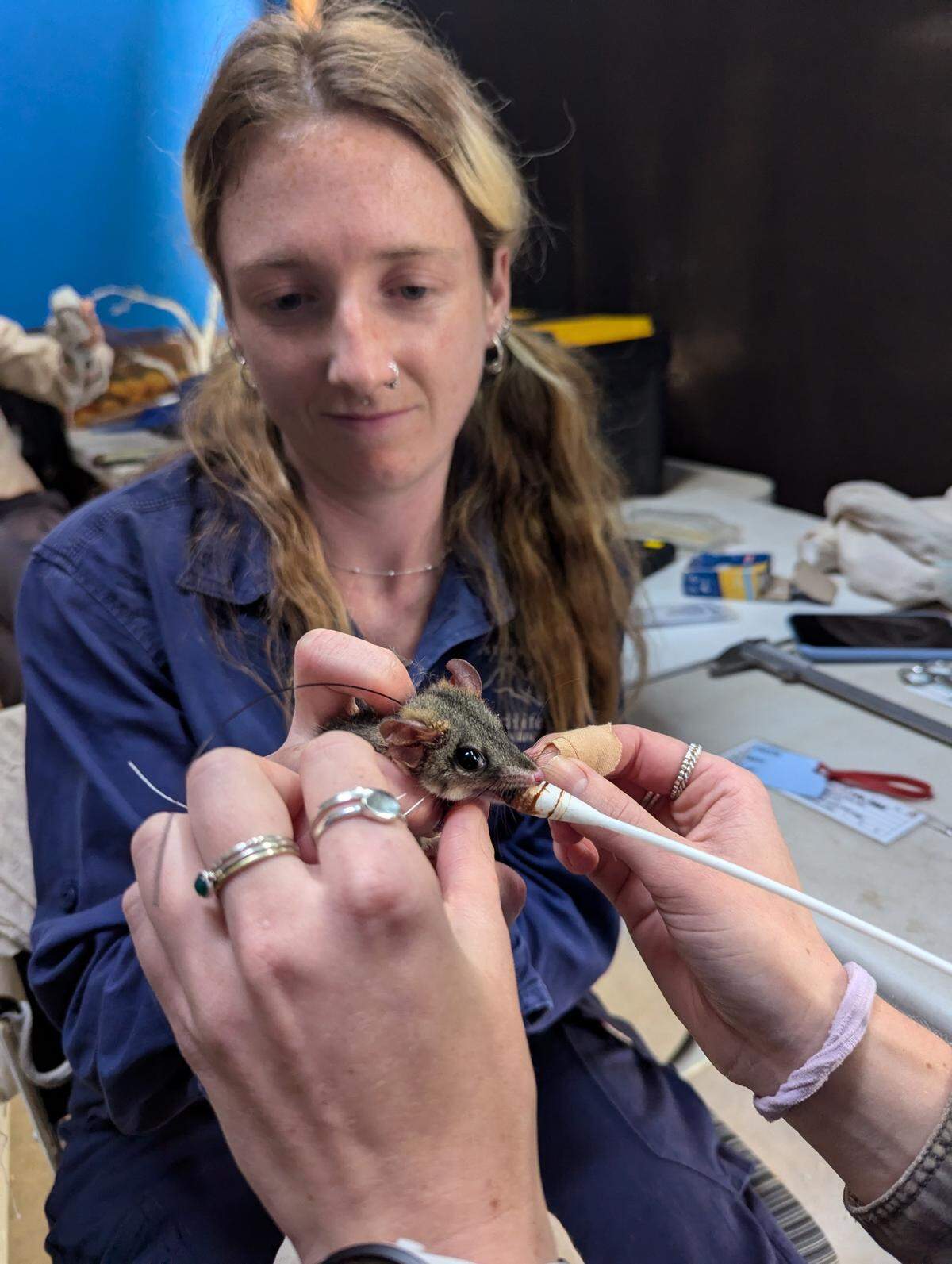
“Arriving in May, means the Red-tailed phascogales will be settled and ready to start mating during the July breeding season,” AWC ecologist Rachel Ladd said in the release. “We’re expecting to see some juveniles running around in the second half of the year, unfortunately though, as a Dasyuridae species, this also means all of the males will drop off from the stress of breeding activities.”
In a unique breeding strategy, males of the species die immediately after the breeding cycle, the conservancy said.
Research suggests the die-off, called semelparity, is caused by a combination of stressors from the physiological changes during mating season that leads to gastrointestinal ulcers, immune suppression, infections and death, according to Bush Heritage Australia.
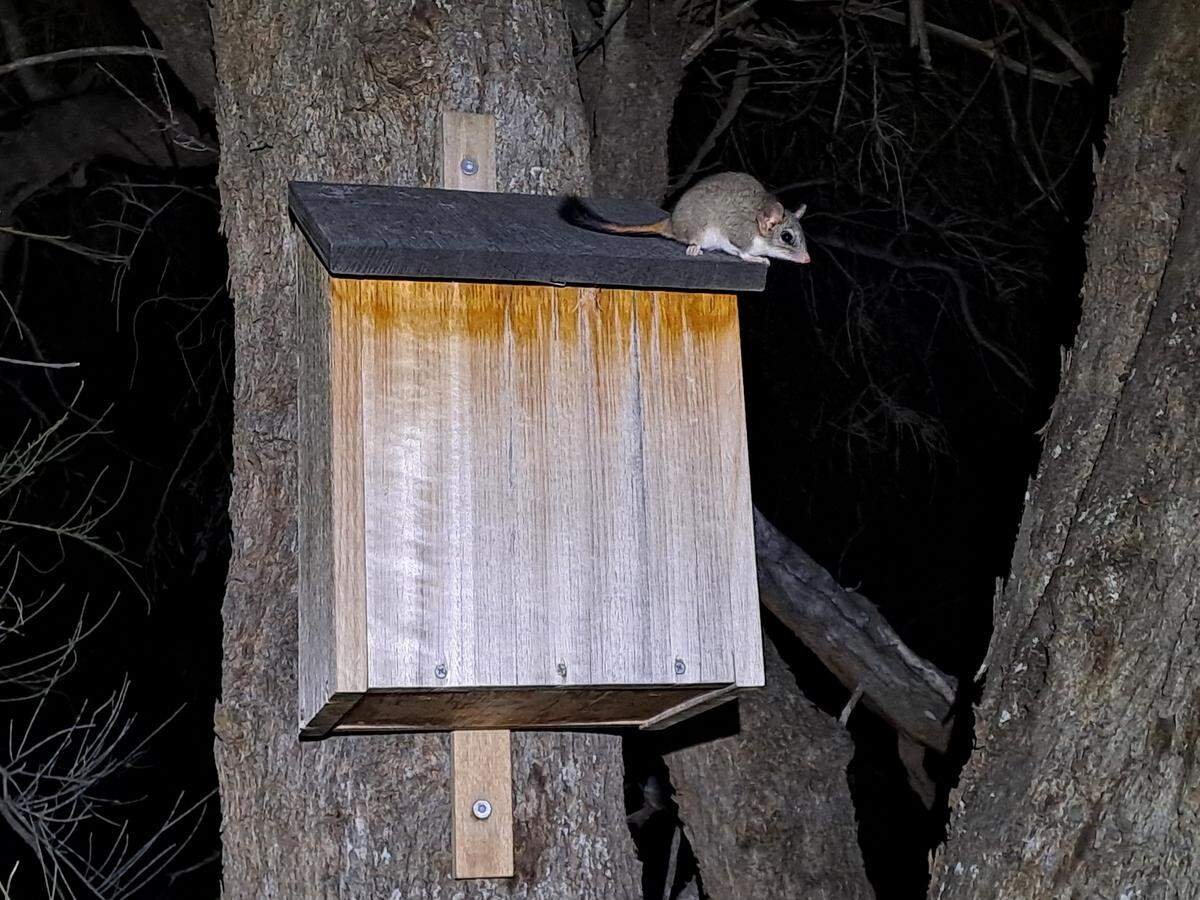
If all goes to plan, wildlife officials said there could be as many as 1,400 phascogales living in the wild of the sanctuary in the next decade, according to the release.
Bulku are nocturnal and typically live in trees, but can move along the ground during the day when looking for something to eat, according to Bush Heritage Australia. They eat insects, spiders and even small birds.
They are incredibly small, measuring about 4 inches long and weighing about the same as a chicken egg, according to Bush Heritage Australia. They are also capable of jumping significant distances from tree to tree, more than 6 feet in a single leap.
“It’s incredibly rewarding to see red-tailed phascogales back in the wild in Scotia after more than a century,” Mark Smith, the conservation manager at Zoos South Australia, said in the release. “This release is the culmination of years of dedicated work by the Zoos SA team to breed this remarkable species for conservation. Working with the AWC has allowed us to take that next vital step — moving animals from behind-the-scenes care into wild landscapes where they belong.”
Scotia Wildlife Sanctuary is in western New South Wales in southeastern Australia, about a 330-mile drive northeast from Adelaide.