
From wild kittens in Thailand to camera traps in India: See latest from Asia

The summaries below were drafted with the help of AI tools and edited by journalists in our News division. All linked stories were reported, written and edited by McClatchy journalists.
In the forests, on top of mountains and along the beaches of Asia, colorful and rare creatures are discovered in their natural habitat.
It’s one of the most diverse regions of the world. Take a look at some recent stories from the continent:
Predator’s adorable kittens found abandoned in Thailand — then came rescue
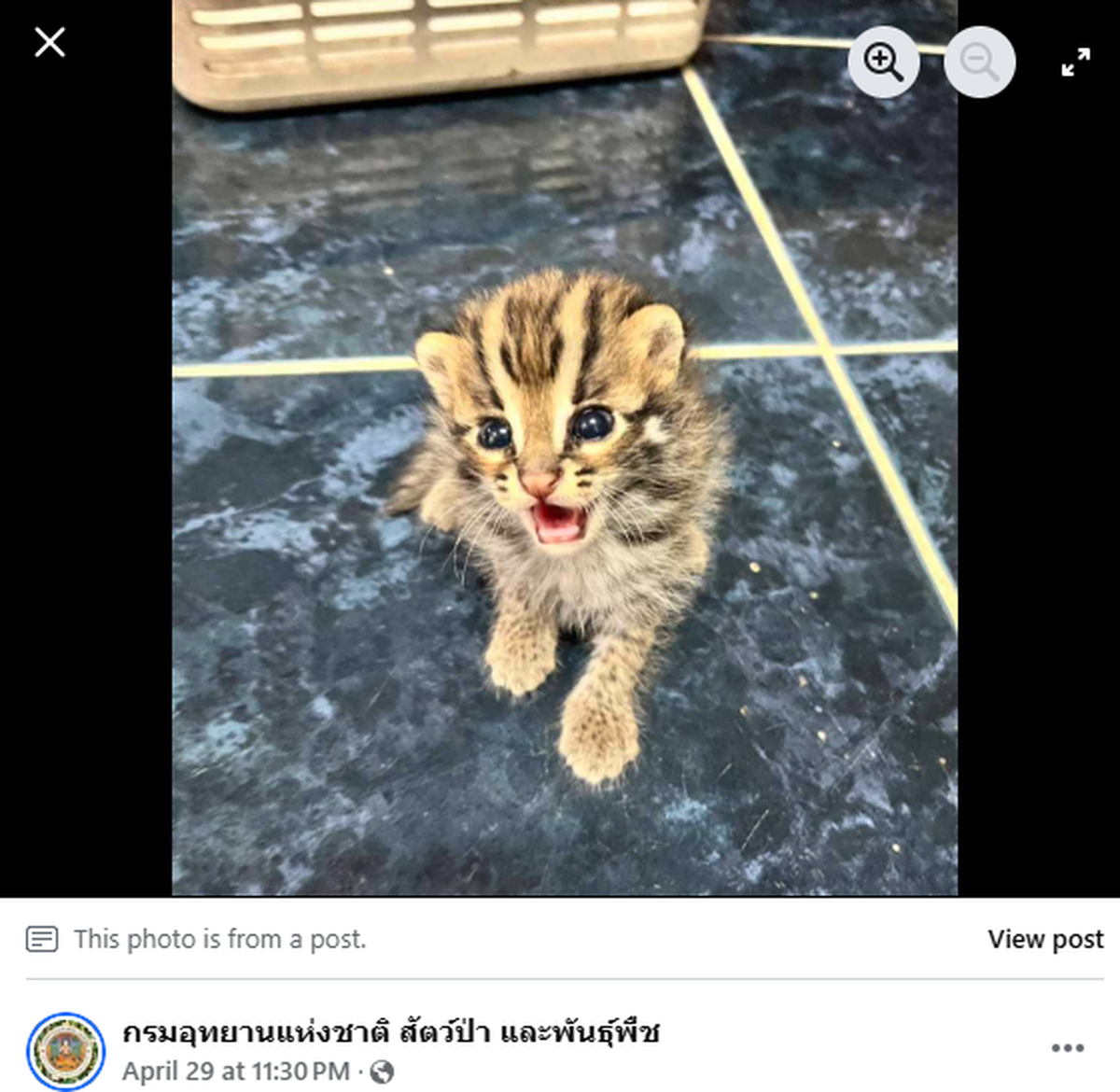
In southwestern Thailand, three leopard cat kittens were found abandoned and weak, prompting a rescue by wildlife officials. The kittens were taken to the Kathu Wildlife Sanctuary for rehabilitation, with the goal of eventually returning them to the wild. Leopard cats, resembling housecats but with longer legs and spotted coats, are protected in Thailand and face threats from habitat loss and poaching. | Published May 2 | Read More |
Camera traps spot rare vibrant creature in India forest. ‘Promising haven’
In the forests of eastern India, camera traps set by the NGO ENFOGAL captured images of the rare Blyth’s tragopan, a vulnerable bird species. This discovery highlights Shirui as a promising haven for bird enthusiasts, showcasing the area’s rich biodiversity. The Blyth’s tragopan, with its vibrant colors, faces threats from hunting and habitat destruction. | Published May 7 | Read More |
Rare creature named after ‘hundred-eyed giant’ spotted showing off at Thai park
In Thailand’s Kathun Wildlife Sanctuary, a trail camera captured a male great argus pheasant performing a remarkable courtship display. This at-risk species, named after a “hundred-eyed giant” due to its eye-spotted feathers, is a positive sign for the sanctuary’s conservation efforts. The great argus’ population is declining, making such sightings significant for wildlife officials. | Published May 14 | Read More |
Tick-infested creature bites researcher in Papua New Guinea. It’s a new species
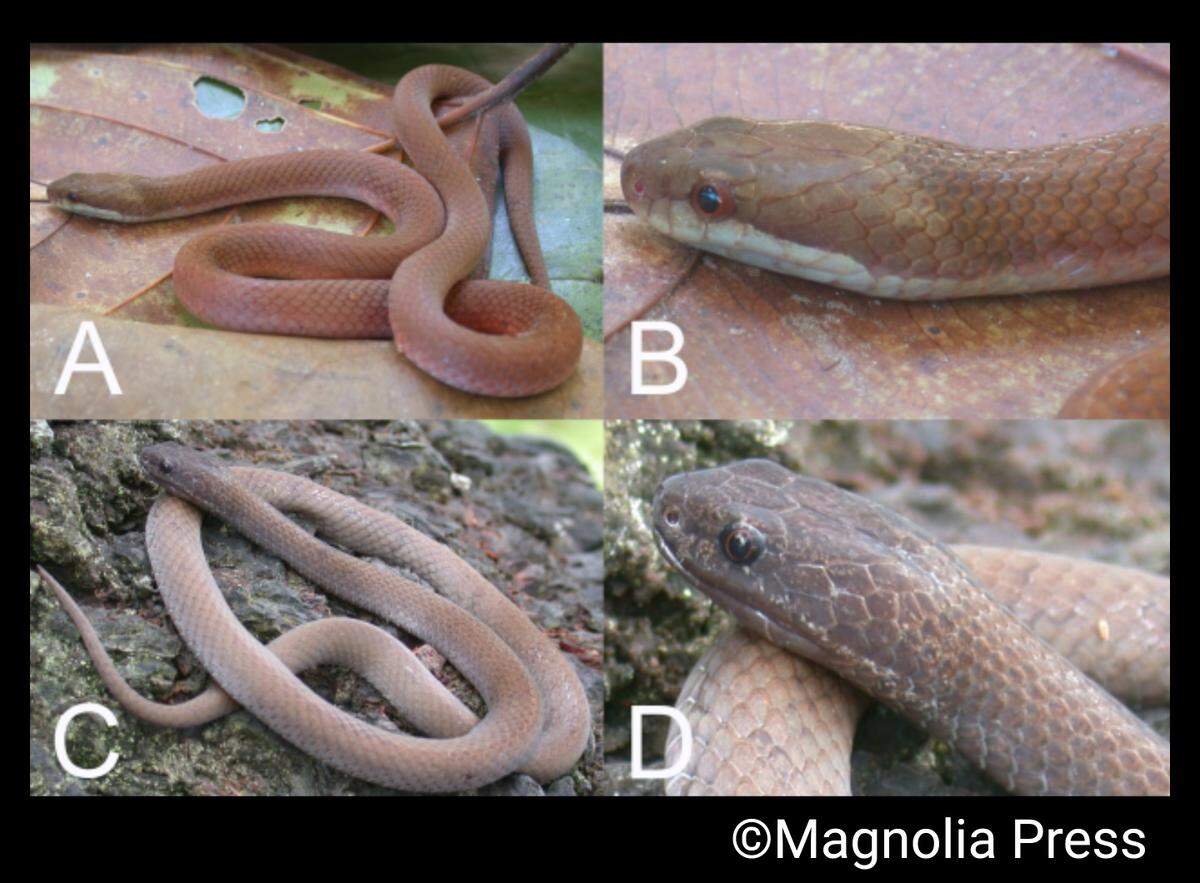
On Sudest Island, Papua New Guinea, a new species of snake named Aspidomorphus dimorphus was discovered after biting a researcher. This snake, with its unique bimodal color pattern, was identified as distinct from other species in the region. | Published May 2 | Read More |
‘Fighting’ fish that survives drought by hiding in the mud is new rare species
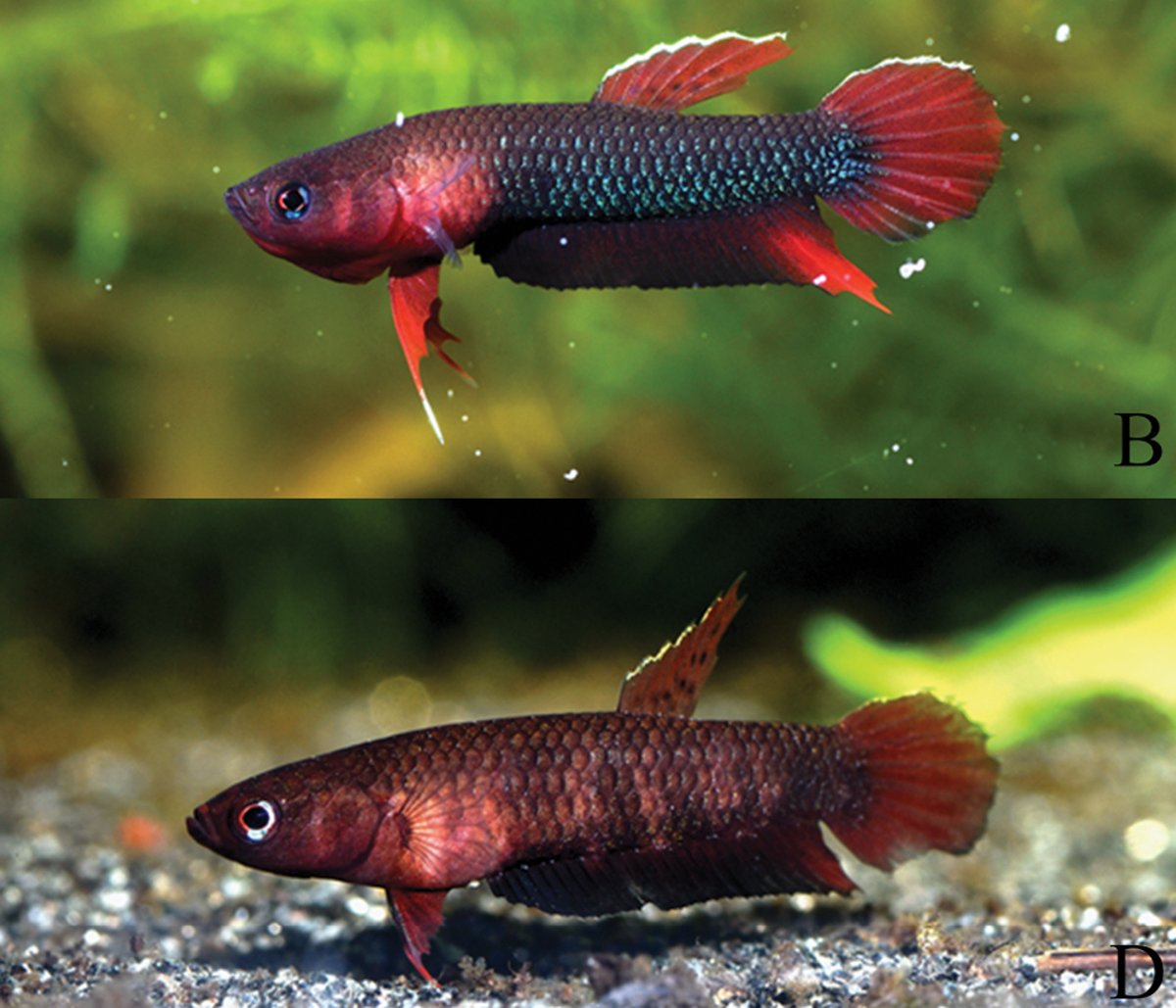
In Sumatra, researchers identified a new species of betta fish called Betta iaspis, found in a forest peat swamp. This fish, with its reddish-brown head and iridescent blue patches, survives droughts by hiding in moist mud. Researchers recommend the species be listed as critically endangered due to its limited habitat threatened by human activities. | Published May 16 | Read More |