Ancient graves — from children to warriors — found during construction in France
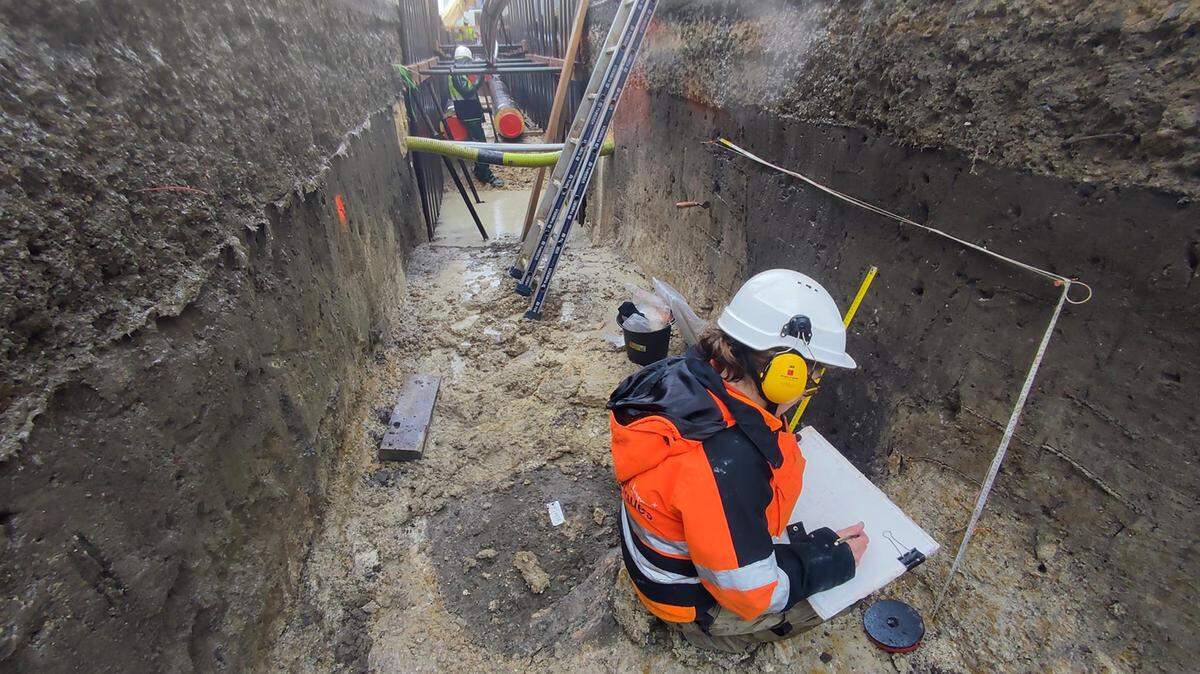
At the beginning of the century, archaeologists in a town just outside Paris discovered an ancient graveyard.
More than 500 burials from the Gallic period were found across an area of about one-third of an acre, dating to the third and second centuries B.C.
There was nothing comparable in Europe at the time, according to an April 25 news release from the French National Institute for Preventive Archaeological Research.
But in the decades since, various construction projects have revealed smaller satellite burial groups of about 10 people, according to the release.
Now, another has been discovered.
During ongoing work on urban networks and planters in Bobigny, archaeologists were alerted to another necropolis just 500 feet from the original site, according to the release.
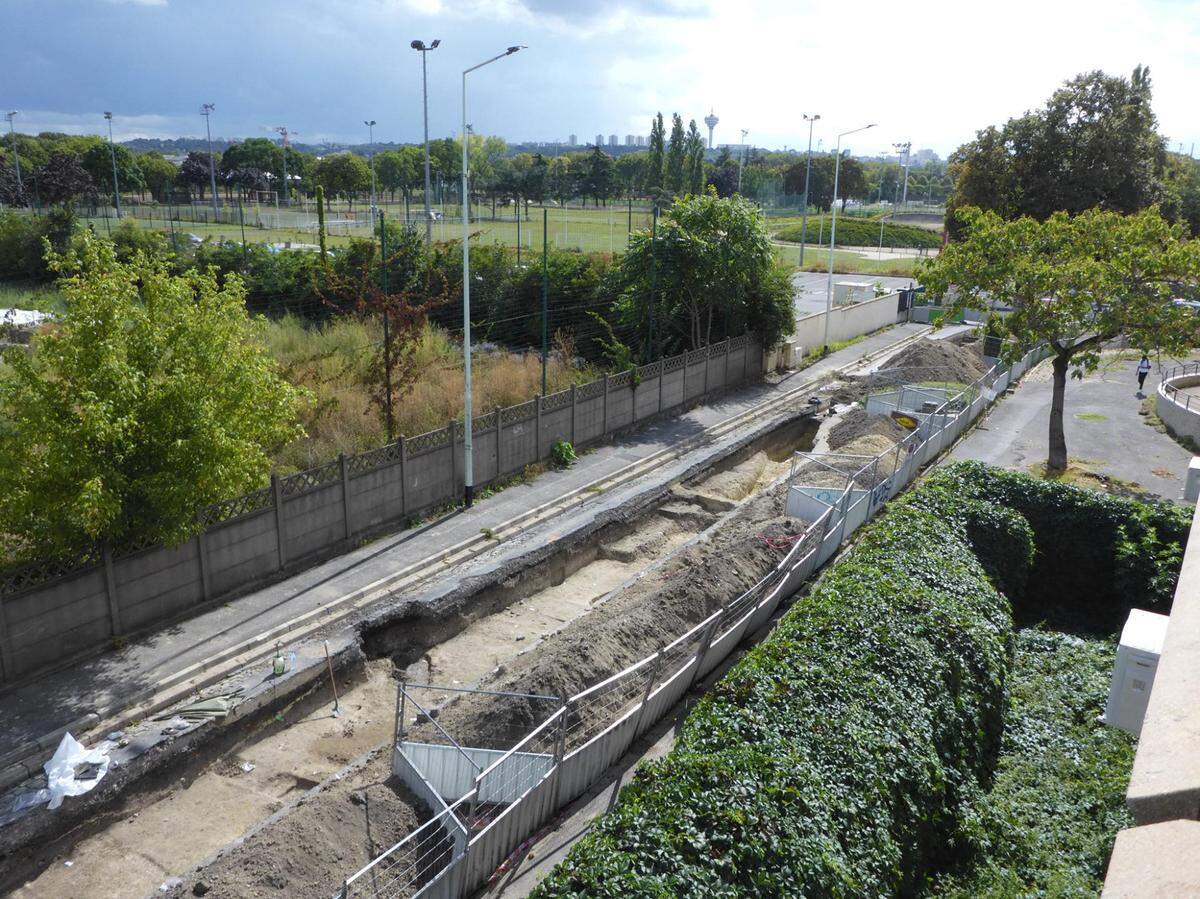
Burials of at least 27 people across 26 graves were found, researchers said, and were arranged on the edge of the known ancient settlement area. The burials were found in a highly urban area, meaning archaeologists won’t be able to completely uncover the entire site for additional context, according to the release.
Most of the bodies had been laid on their backs, but a few were buried on their right side or with their heads elevated, archaeologists said. Wooden casings or cloth shrouds were found in a few graves.
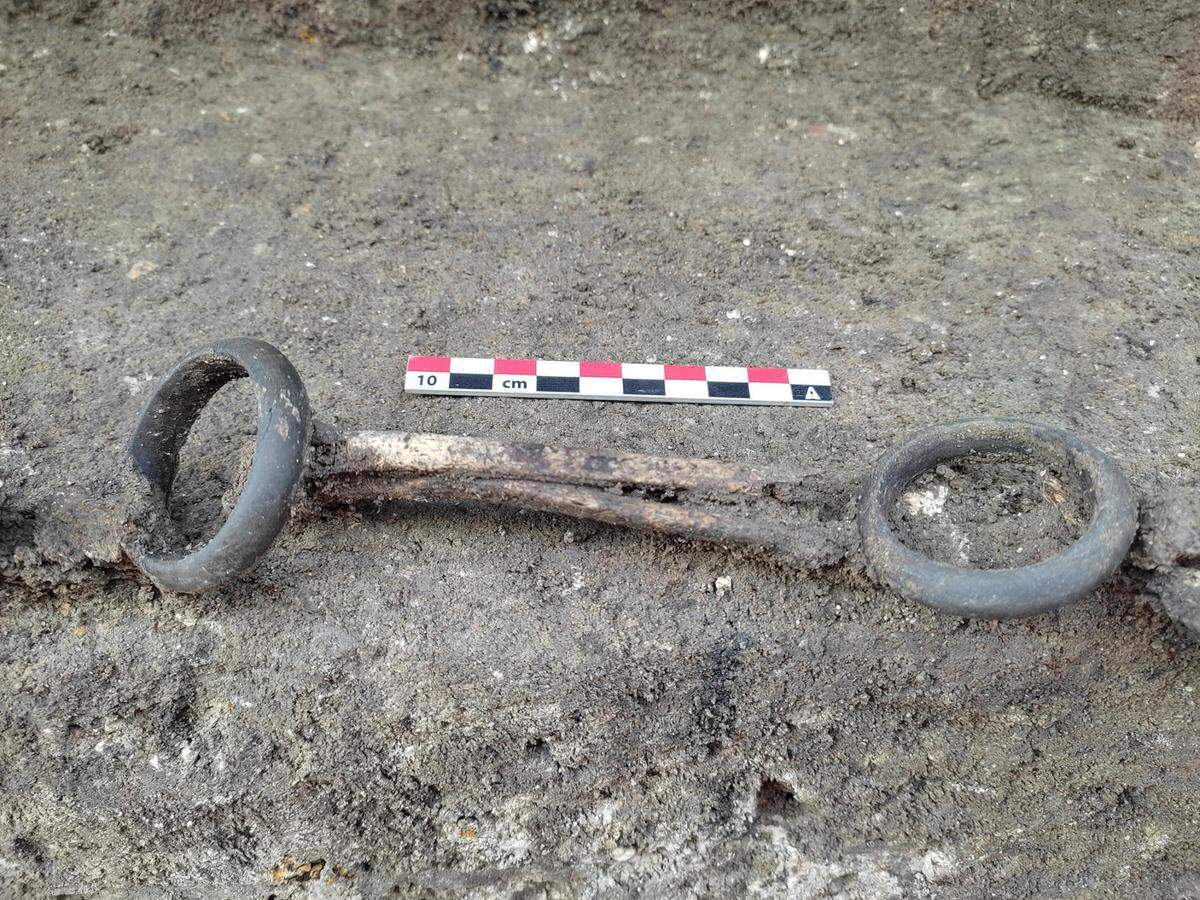
Iron brooches that would have been used to secure shrouds or clothing were found placed around the chest or wrist in some graves, researchers said.
Archaeologists also found an iron torque, iron, copper alloy and lignite bracelets, an iron ring and vases with both adult and child burials.
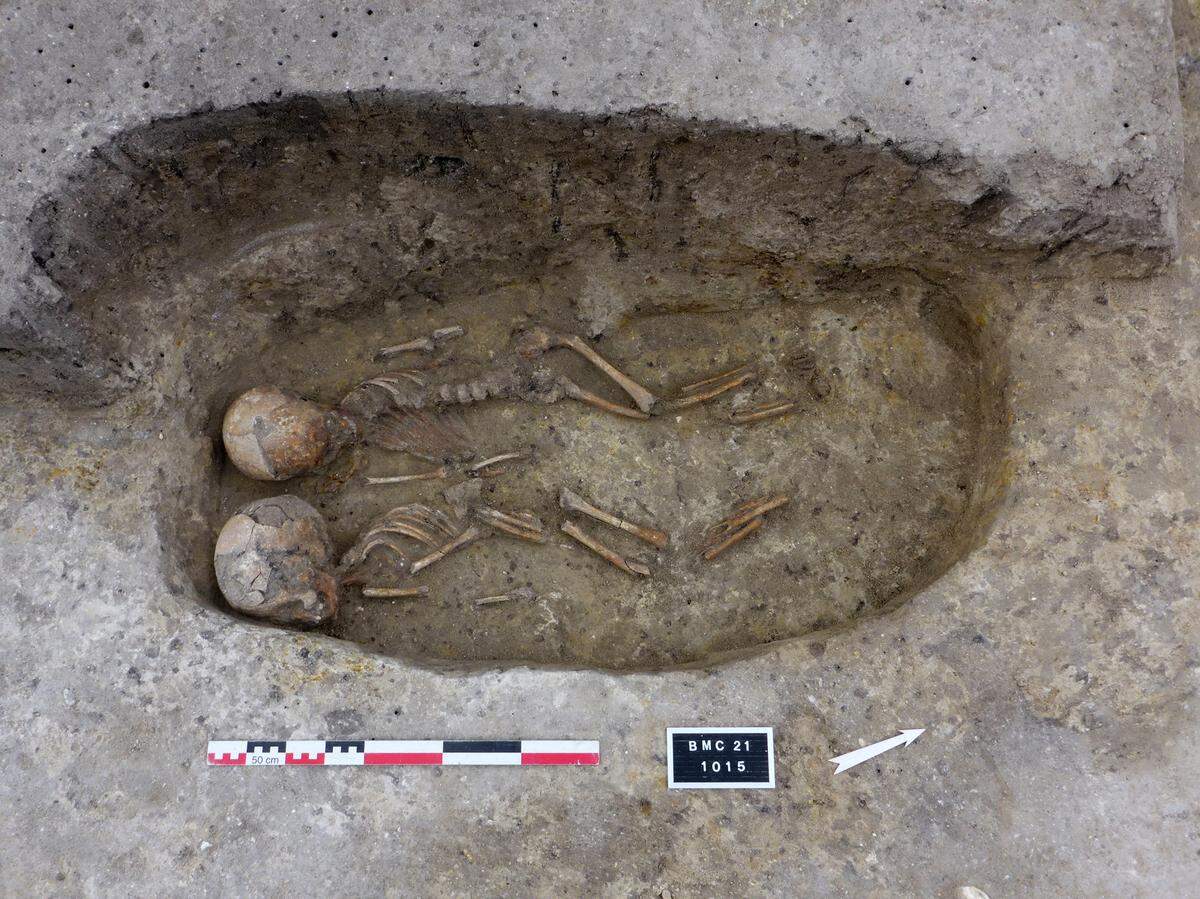
One burial was unique because it was a double burial of two children, according to the release. One child was about 4 years old, while the other was slightly older. Remnants of a wool shroud were found, and additional study will be needed to determine sex of the bodies or if there was any relation.
Another unique burial held a warrior, buried with his shield umbo, a sword and suspension chain and a spearhead. Textiles from about 30 fabrics were also found with metal objects, according to the release.
The warrior’s grave dates to the third century B.C., archaeologists said.
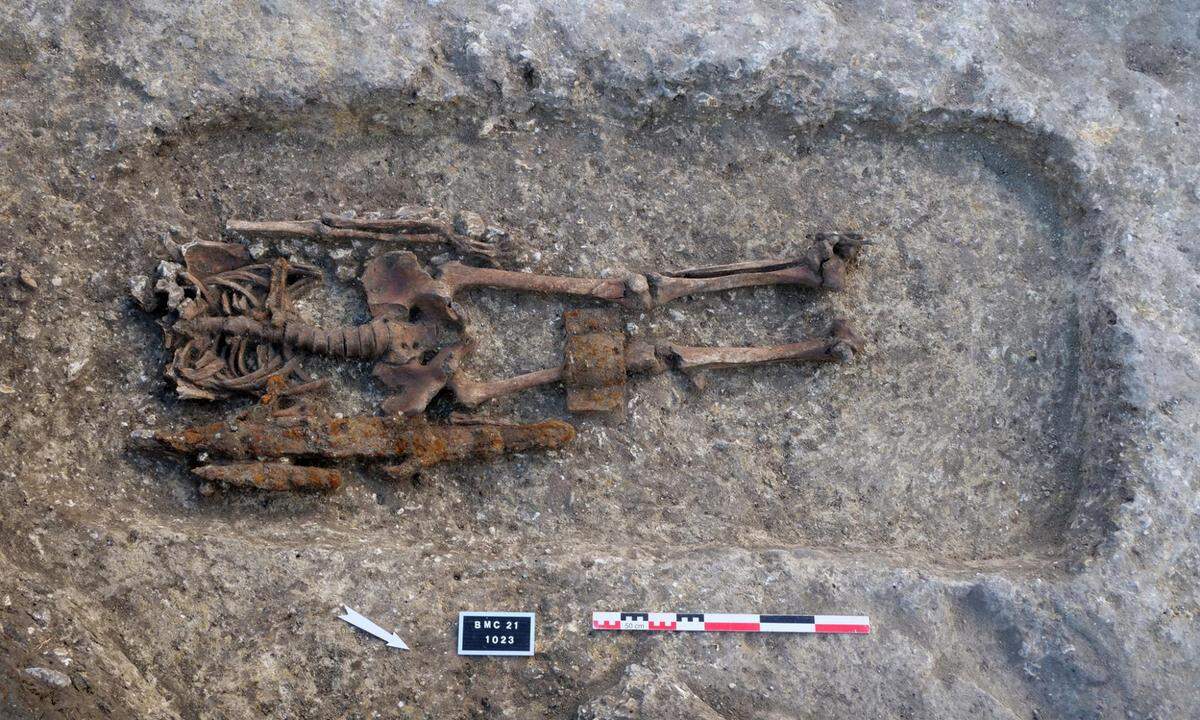
Previous ideas about the satellite cemeteries suggested they were outcasts from the primary necropolis, but the new graves suggest otherwise, as they were buried with care and with funerary goods, according to the release.
Isotopic dating, studying the isotopes in the skeletons, will be able to tell the chronology of the burials and how they fit together, researchers said.
Bobigny is a suburb of Paris, located just northeast of the city.
Google Translate was used to translate the news release from the French National Institute for Preventive Archaeological Research.