Volunteers find ancient Mayan pottery in an extensive cave system in Mexico
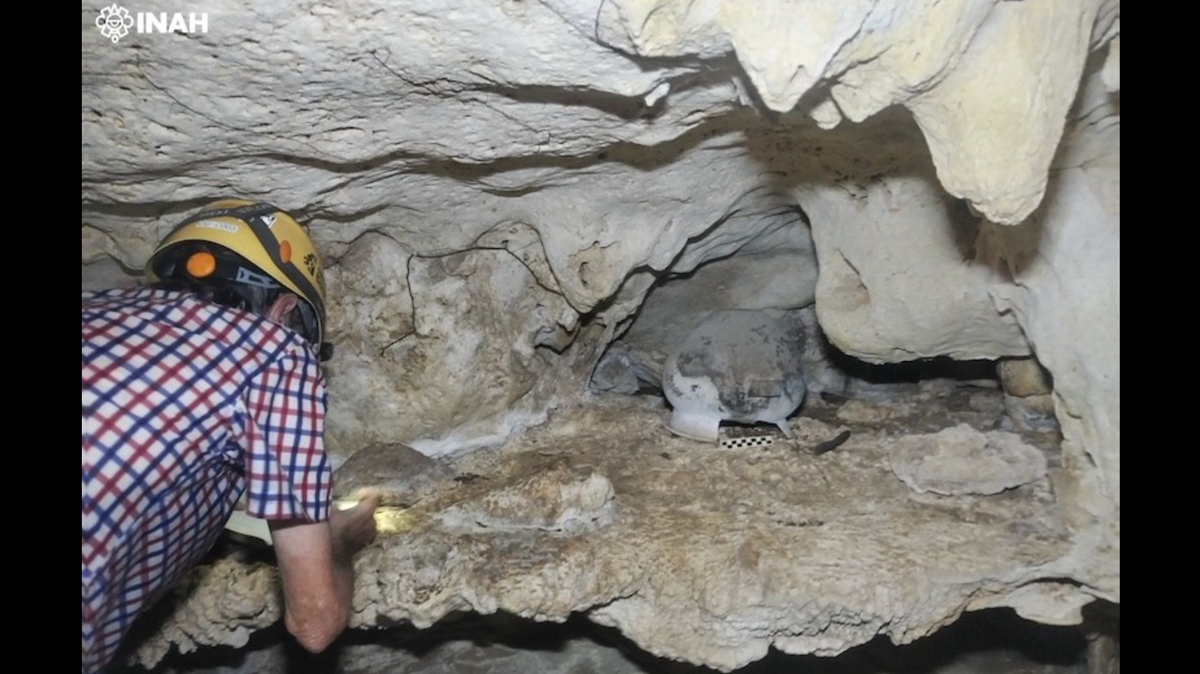
Archaeologists in Mexico have discovered ancient Mayan pottery in a cave system a little more than 10 miles away from downtown Playa de Carmen.
Members of Mexico’s Cenotes Urbanos organization found a large globular pot while exploring Zumpango Cave and reported the discovery to officials, according to an April 21 news release from the National Institute of Anthropology and History.
Citizen scientists and volunteers with the Cenotes Urbanos organization preserve caves throughout the Yucatán Peninsula to facilitate documentation and conservation of these often archaeologically-significant environments.
Archaeologists said the pot is estimated to be between 575 and 825 years old, dating back to the Late Postclassic period before Europeans arrived in the Americas, according to the release.
The “Classic Period” of Mayan civilization lasted from about 250 to 900 and was followed by the “Postclassic Period,” which lasted from about 900–1519, according to Britannica. Mayan settlements and cities on the Yucatán continued to prosper during this period, experts said.
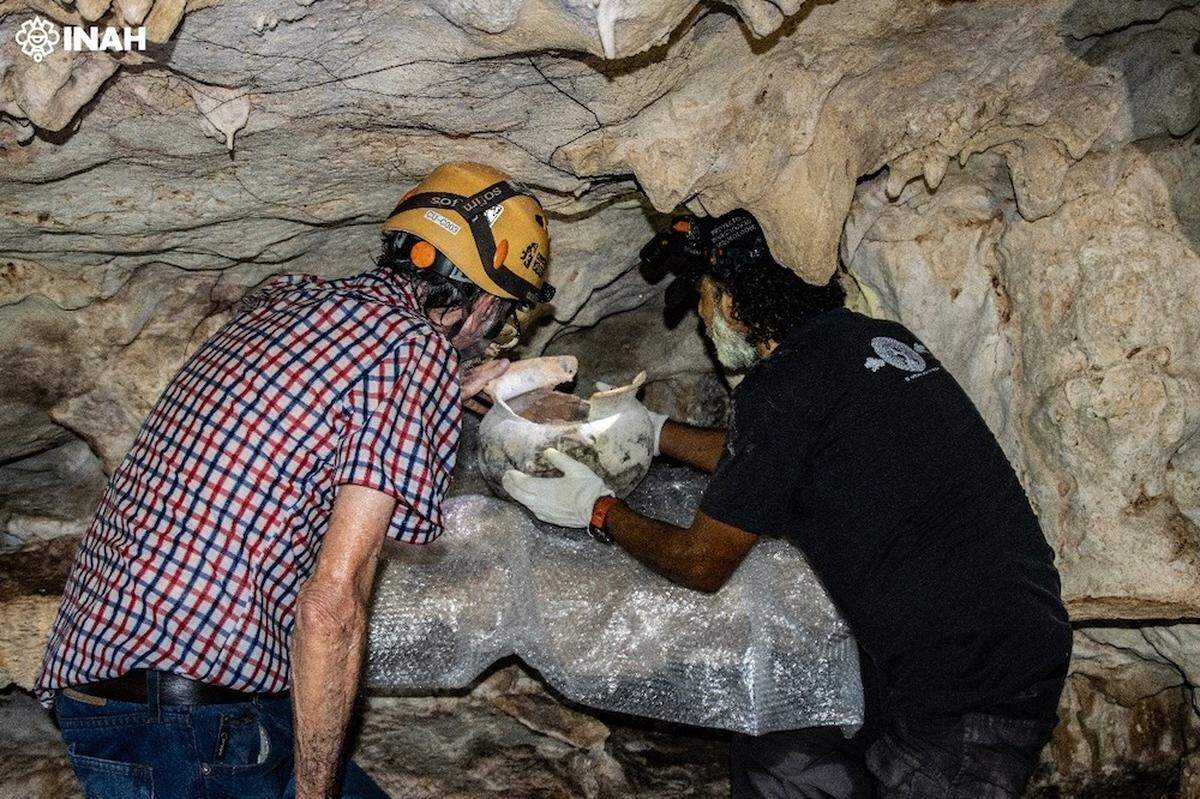
The pot, found in an alcove used as a shelf, was mostly intact with two opposing handles but appeared to be missing its neck and parts of the rim, according to the release.
Although the pot had calcified buildup on its exterior, experts said a painted black geometric motif was visible.
Archaeologists said the pot will be cleaned and studied to determine its exact age and other defining characteristics that may offer clues about its use and origin.
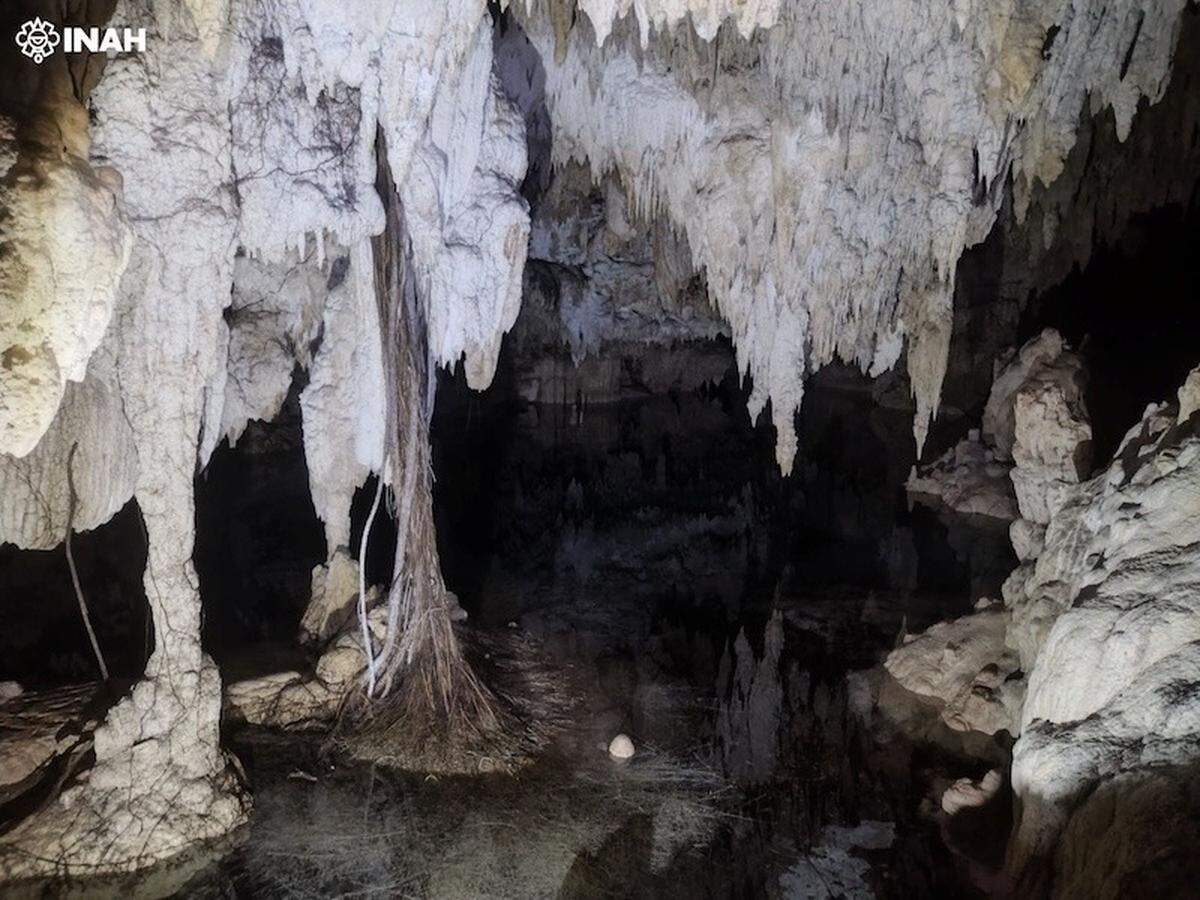
Zumpango Cave is part of the Garra de Jaguar system and features ground-to-ceiling columns of speleothems, or stalagmites and stalactites, according to experts.
Archaeologists Peter Sprouse, José Antonio Reyes Solís and Enrique Terrones González were involved in the artifact’s recovery and documentation, according to the release.
Translate GPT was used to translate the news release from the the National Institute of Anthropology and History.