Paintbrushes dipped in volcanic spring in China reveal new species. Take a look
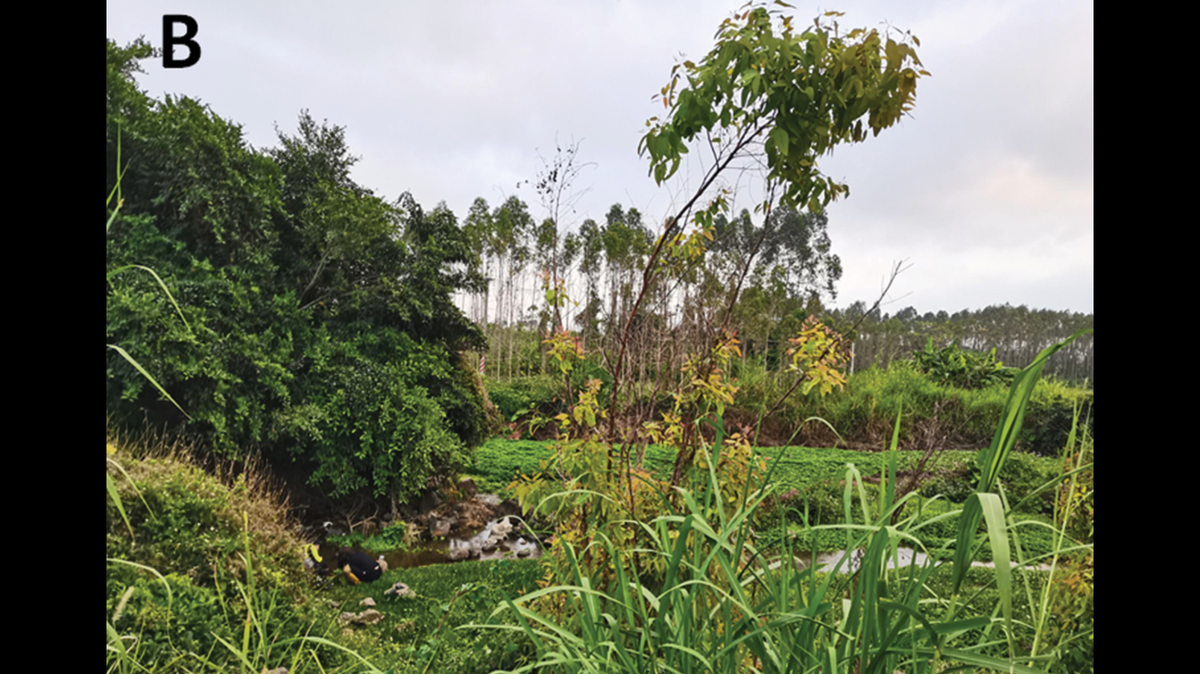
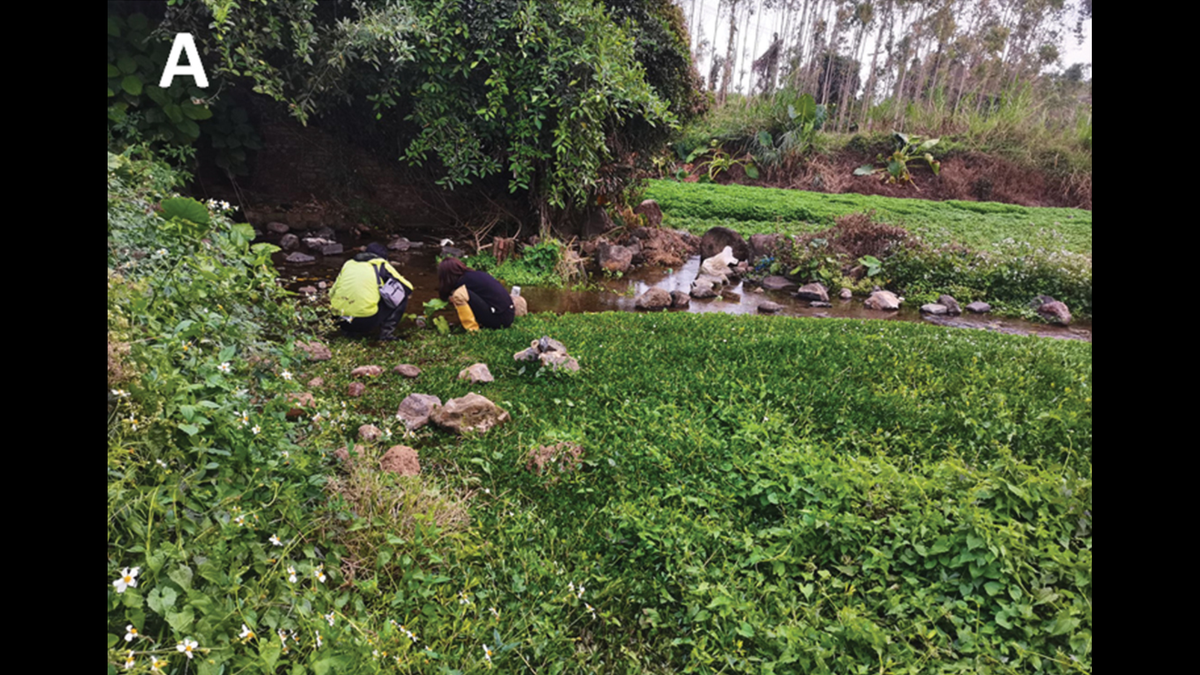
Along a stream tucked under the greeny overgrowth of southern China, researchers turned over rocks.
It was January 2019, but the water was still 66 degrees Fahrenheit, its warmth fed by a volcanic spring.
As researchers turned over the stones, they looked for tiny aquatic worms, dragging paintbrushes along the surface and in the water to see if any creatures would stick to the hairs, according to a study published April 1 in the peer-reviewed journal ZooKeys.
Eventually, 11 flatworms, less than an inch long, were collected and brought back to the laboratory environment to be studied.
Then researchers learned the worms belonged to a species new to science.
Dugesia aconcinna, or the asymmetrical flatworm, is a species of “rather small” animals, reaching only 0.3 inches in length, according to the study.
It has a “low-triangular”- shaped head with two spots for eyes on one end, researchers said.
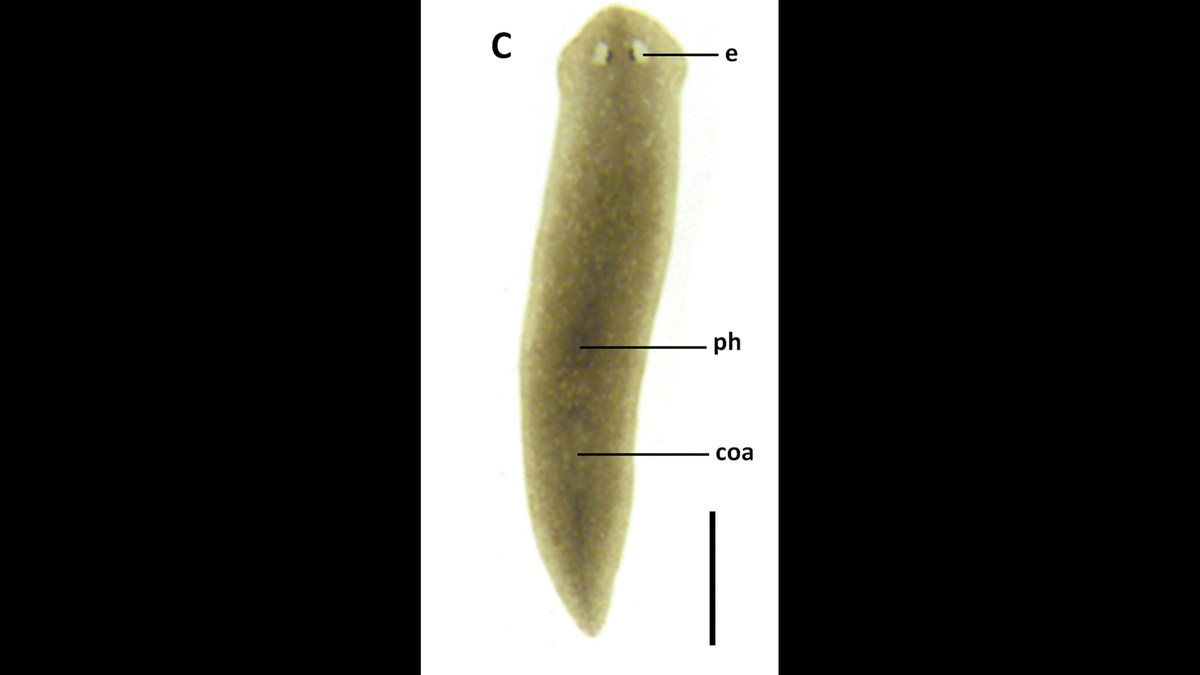
The animal has a mouth opening in the middle of their body, according to the study, and the back of its body is “yellow-brown” while the underside is paler.
The flatworm is set apart from other related species by the morphology, or physical characteristics, of its genitalia, researchers said.
“The penis papilla has a very characteristic shape,” according to the study, with a “cylindrical structure with a blunt tip.”
The penial fold, however, is asymmetrical, earning the species its name, researchers said.
The worms were kept in a laboratory environment for about 5 months, allowing the not-yet matured animals to become sexualized before they were included in the study, researchers said.
When they were first collected, they were “fed with fresh beef liver once per week,” according to the study.
Flatworms are a group of invertebrates without specialized respiratory, skeletal or circulatory systems. They are generally free-living, but as many as 80% of flatworm species are parasites, according to Britannica.
The new species belongs to a group of flatworms known as planarians, which are typically non-parasitic.
The new species was found on the Leizhou Peninsula, on the southern coast of China.
The research team includes Lei Wang, Yi-Fang Chang, Xin-Xin Sun, Ronald Sluys, De-Zeng Liu, Zi-Mei Dong and Guang-Wen Chen.