15,000 pounds of pangolin scales seized, then ‘kingpin’ arrested, officials say
A “high-level” wildlife trafficker was arrested in Nigeria after officials said they seized 179 bags of pangolin scales in what they called “a significant victory against transnational wildlife crime.”
The Chinese national was arrested Feb. 19 after a raid at a warehouse in Ogun, Nigeria, according to a March 31 news release from the Wildlife Justice Commission.
The Nigeria Customs Service discovered 31 bags of pangolin scales stashed in the warehouse during the first raid on Aug. 8, 2024, according to the release.
Authorities found an additional 148 bags of pangolin scales during a follow-up search two days later, officials said.
Authorities seized 15,873 pounds of pangolin scales worth an estimated $1.4 million, according to officials.
Officials said the seizure “dealt a significant financial blow to the trafficking network.”
The “suspected kingpin” and owner of the stockpile was arrested in Lagos six months later, thanks to intelligence collected by the Wildlife Justice Commission, according to the release.
The man’s arrest is expected to disrupt the criminal networks in Nigeria that are “supplying the illegal wildlife trade,” officials said in the release.
“By dismantling criminal operations from the top down and across major global supply chains, we can help stop transnational organised crime from driving species to extinction,” the organization said.
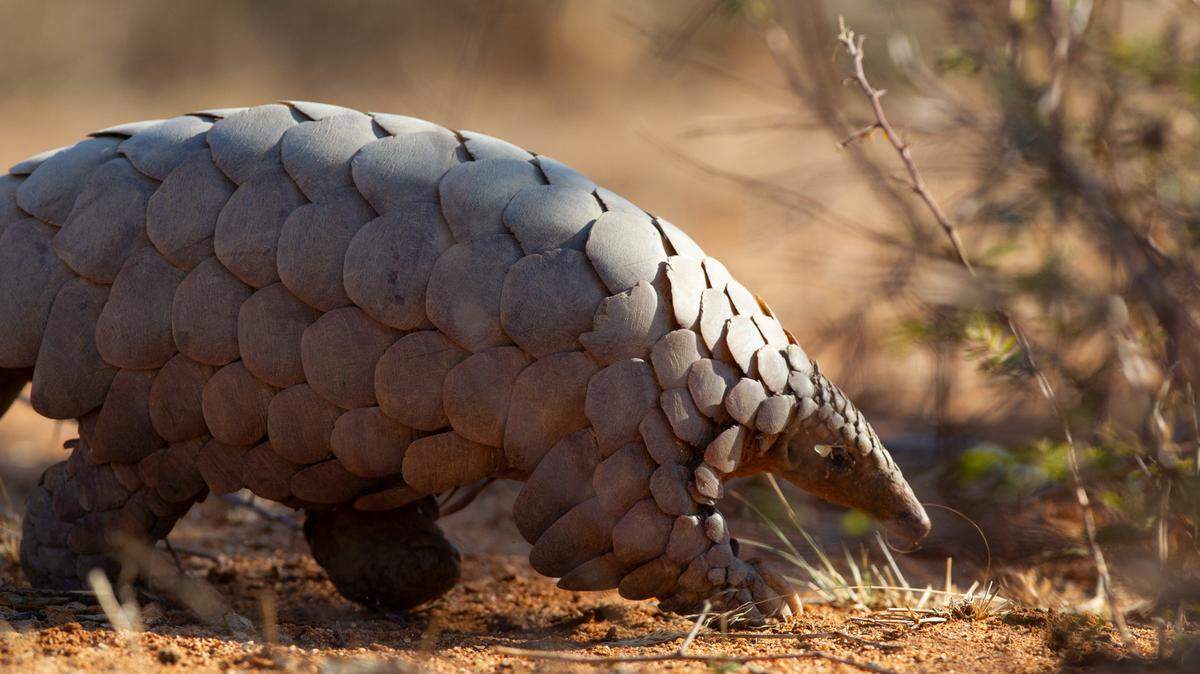
It is estimated more than 1 million pangolins, the only mammal with scales, have been trafficked over a 10-year period, according to the World Wildlife Fund.
Pangolins are trafficked primarily for their scales, which are believed to treat a variety of ailments in traditional medicine practices in Asia and Africa.
Pangolin scales, made of the same material as human hair and fingernails, have no scientifically proven medicinal value, according to experts.