Reef predator — with ‘electric blue’ lines — found as new species off Mexico

On a remote reef about 90 miles off the coast of the Yucatan Peninsula, a predatory fish scours the shallow seafloor.
Research divers spotted the 3.5-inch-long animals during recent survey trips to the cays of Campeche Bank and used pole spears to reel them in, according to a study published April 4 in the peer-reviewed journal Zootaxa.
The fish belonged to a family called hamlets, a group that has proven difficult to study.
“These fish are interesting for many reasons, one of which is that they are very similar genetically. Different species of hamlet look different (they have different color patterns) and they tend to mate only with members of the same species, yet genetically they are very, very similar,” study author Oscar Puebla told Smithsonian Insider in a 2017 interview about his work.
The fish, originally collected in 2018, looked similar to two known species, as is often the cause for hamlets, researchers said.
But a few key features stood out to the researchers, and a genetic test confirmed their suspicions — it’s a species new to science.
Hypoplectrus espinosai, or the Campeche Bank hamlet, can be distinguished from other species by its coloration, according to the study.
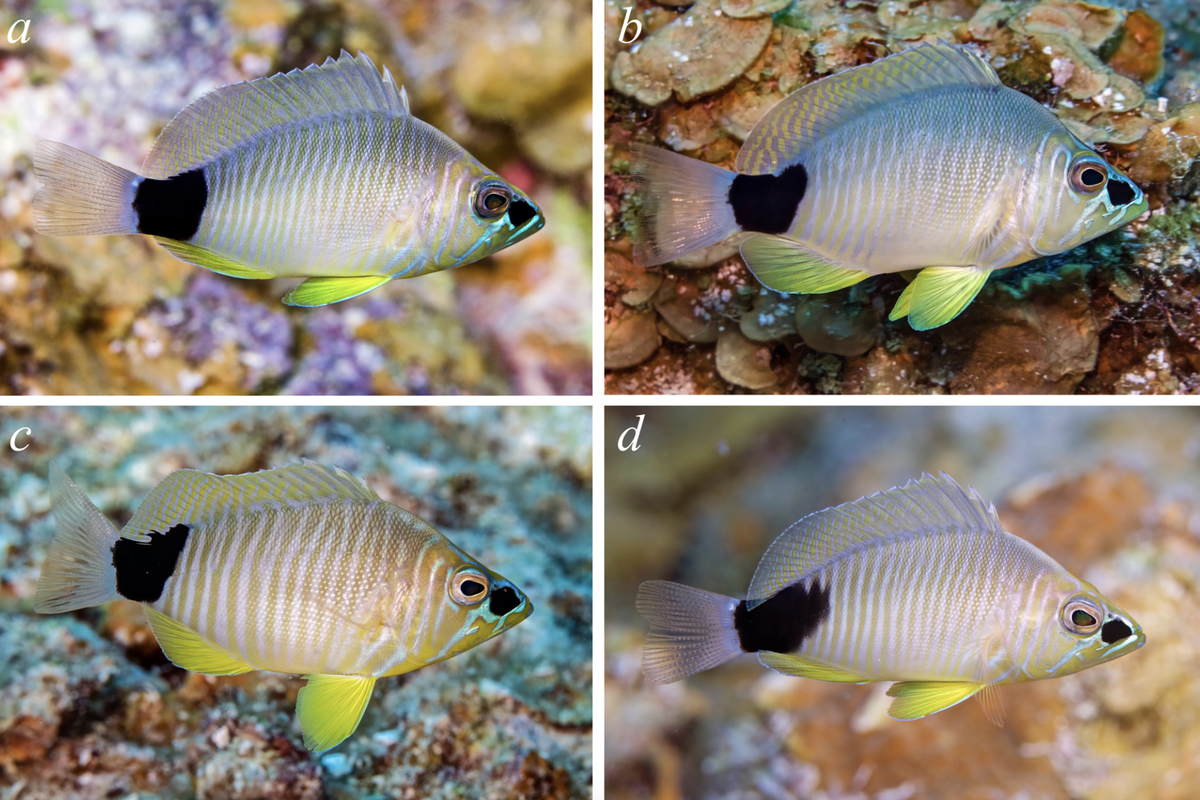
“The body color ranges from white to pale grayish-white to pale brownish-white with (about) 15 vertical whitish to pale bluish-white lines that extend from the top of the body profile to near the bottom,” researchers said.
The fish have white faces with a black blotch in front of the eyes, according to the study. The black patch is “surrounded by electric blue lines that extend onto the forehead, around the eye and onto the lower jaw.”
The back of the fish has a black “saddle” that is larger than other related species, researchers said.
“We assign the species name espinosai sp. Nov. in honor of Héctor Salvador Espinosa Pérez (1954-2022), a dedicated Mexican ichthyologist, founder of the Mexican Ichthyological Society and curator of the Mexican National Fish Collection,” researchers said. “The common name refers to the geographic distribution of the species.”
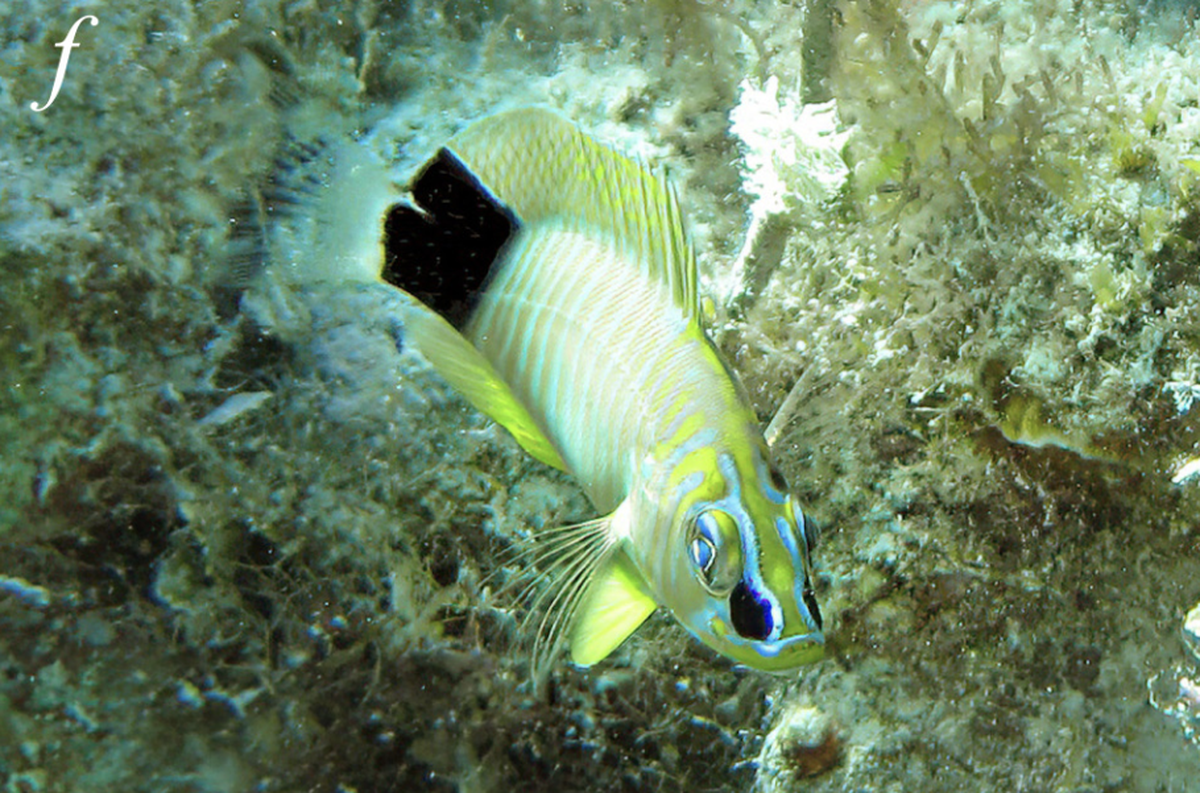
Though the fish is known to be predatory, researchers didn’t observe any attack behavior while surveying the new species, according to the study.
“Hamlets are predators that prey on smaller fish and invertebrates. Through aggressive mimicry, the hamlets (the mimics) could have evolved color patterns that look like other herbivorous or omnivorous fish species (the models),” Puebla told the Smithsonian Insider. “It’s the ‘wolf in sheep’s clothing’ trick. It allows hamlets to approach prey without alarm because they look like a harmless herbivore.”
A video depicting a golden hamlet swimming to meet up with its mate was shared by The Royal Society in 2011 to accompany one of Puebla’s previous publications.
The new species was identified off the coast of the Yucatan Peninsula in the southwestern Gulf of Mexico. The body of water was renamed as the Gulf of America by executive order on Jan. 20 by President Donald Trump, however this change is not recognized outside the United States.
The research team includes Puebla, Alfonso Aguilar-Perera, Matin Helmkampf, D. Ross Robertson, Carlos J. Estapé, Allison Morgan Estapé and Omar Domínguez-Domínguez.
This story was originally published April 4, 2025 at 5:19 PM.