Smoky-winged hunter — with dramatic behavior — discovered in Iran. See new species

The feeling of fear is familiar to everyone, from when you hear a peculiar noise home alone to watching gutter-bound clowns on the big screen.
In humans, this triggers a fight or flight response, but other animals choose unique third options. Squids and octopus may shoot black ink out of their body while they escape. Sea cucumbers can eject part of their guts out of their mouth to scare off predators. A black bear may fight back.
In the arid mountains of western Iran, a newly discovered species has evolved another way to deal with threats — dramatically throwing themselves on the ground.
During recent field surveys, researchers collected four juvenile praying mantises and brought them back to the lab, according to a study published Feb. 27 in the peer-reviewed journal Zootaxa.
The animals were reared until they were adults when researchers took a closer look at their morphology, or the physical traits that differentiate species, according to the study.
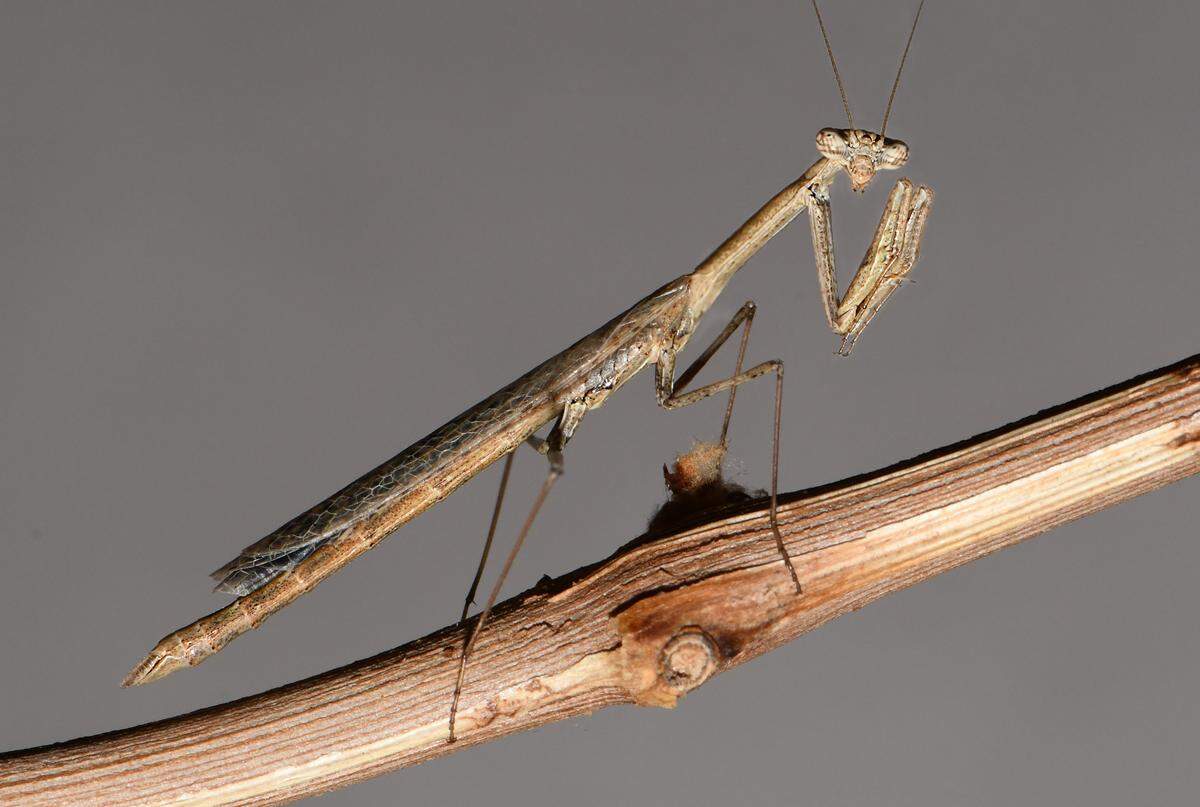
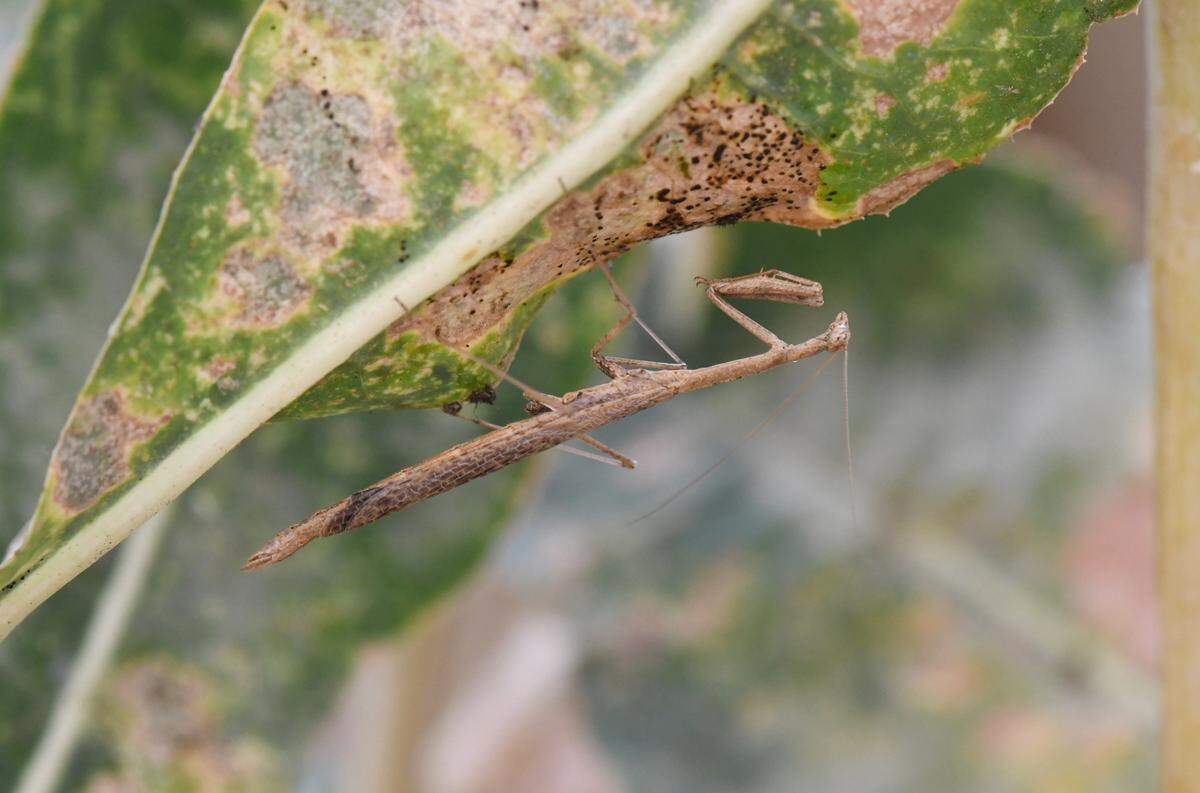
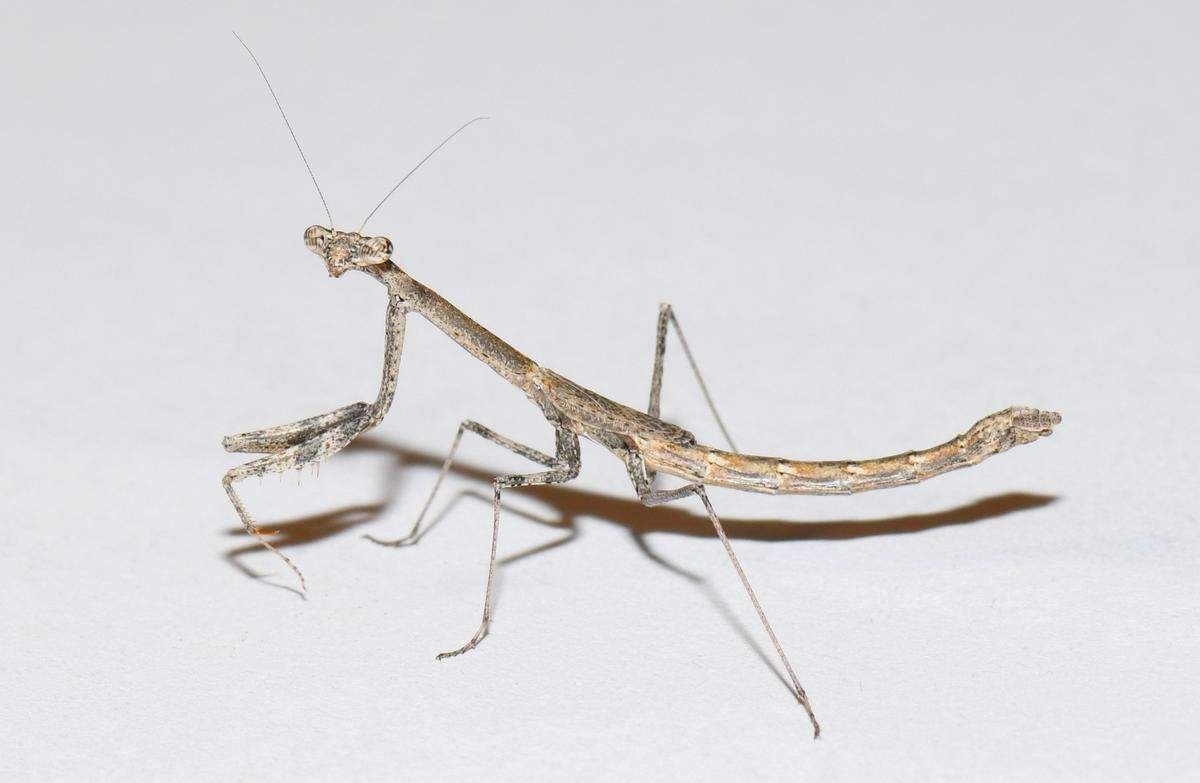
The new species belongs to the Sinaiella genus, a group of praying mantises that are “medium-sized,” “slender,” and “rod-shaped,” researchers said.
Males of the species are about an inch long, and females are a bit longer, according to the study.
Their heads have “dark stripes” and their bodies are “slender” with both forewings and hindwings, researchers said.
“The new species is characterized by the dark, fully infumated (meaning clouded by black color, or smoky) hindwings,” according to the study.
The species was named Sinaiella azadi, using the Persian word for freedom and “representing and embodying the struggle for freedom by the people of Iran,” according to the study.
“Freedom is the essence of human life,” researchers said. “Taxonomists require freedom to communicate, cooperate, and collaborate across geographic and political boundaries to correctly place species within the taxonomic tree of life.”
Because researchers held S. azadi in labs in order to rear them to full size, they were able to learn more about their behavior in a closed setting, according to the study.
“The specimens showed side-to-side movements, a considerable ability to catch flying prey, and were mostly hanging from an elevated point,” researchers said.
The females also had a unique response to disturbances.
When the females felt threatened, they would “throw themselves to the ground, remain immovable and take a specific posture by bringing the antennae closer to the body and extending the legs along the body,” according to the study.
The praying mantises would stay immoble anywhere from a few seconds to more than five minutes, researchers said.
The new species was found in Markazi Province, southwest of Tehran, and in a collection in Armenia, north of Iran.
The research team includes Mahmood Kolnegari, Christian J. Schwarz, Tigran Ghrejyan and Matthias Borer.