2,900-year-old settlement found submerged in Italy lake. See its treasures
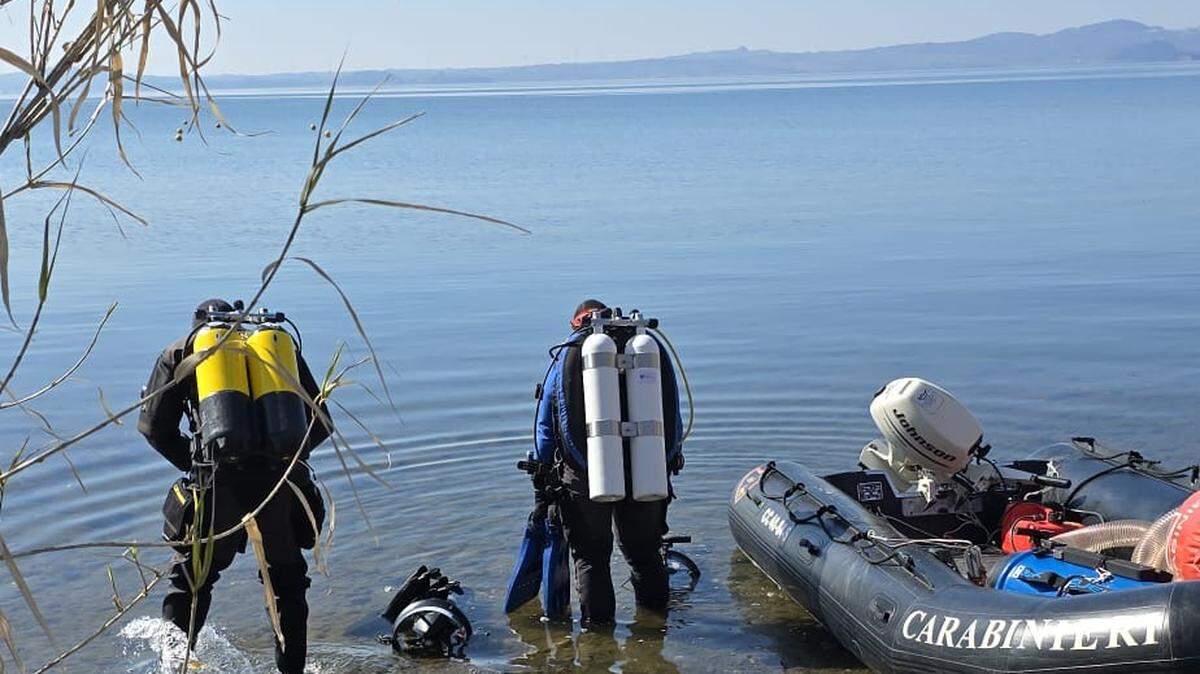
Nearly three millennia ago in central Italy, people of the Iron Age lived in wooden homes.
Today, those homes sit on the bottom of Lake Bolsena.
Gran Carro di Bolsena, a Villanovan complex dating to the ninth century B.C., lies just offshore and has been studied for decades, according to Italian officials.
The site is known by a large monumental elliptical complex made of stones, called the Aiola, and may have been linked to the use of hot springs, officials said.
Ancient artifacts have also been found, including a molded statuette discovered in 2024 that still has the fingerprints of its maker 2,900 years later.
Now, the site is undergoing preparations to open to the public, including divers, snorkelers and passengers of glass-bottom boats, according to a March 18 news release from the Superintendence of Archaeology, Fine Arts and Landscape for the province of Viterbo and Southern Etruria.
As part of the restoration process, research divers armed with metal detectors recently hit the water to see what was buried below the silt and sediment.
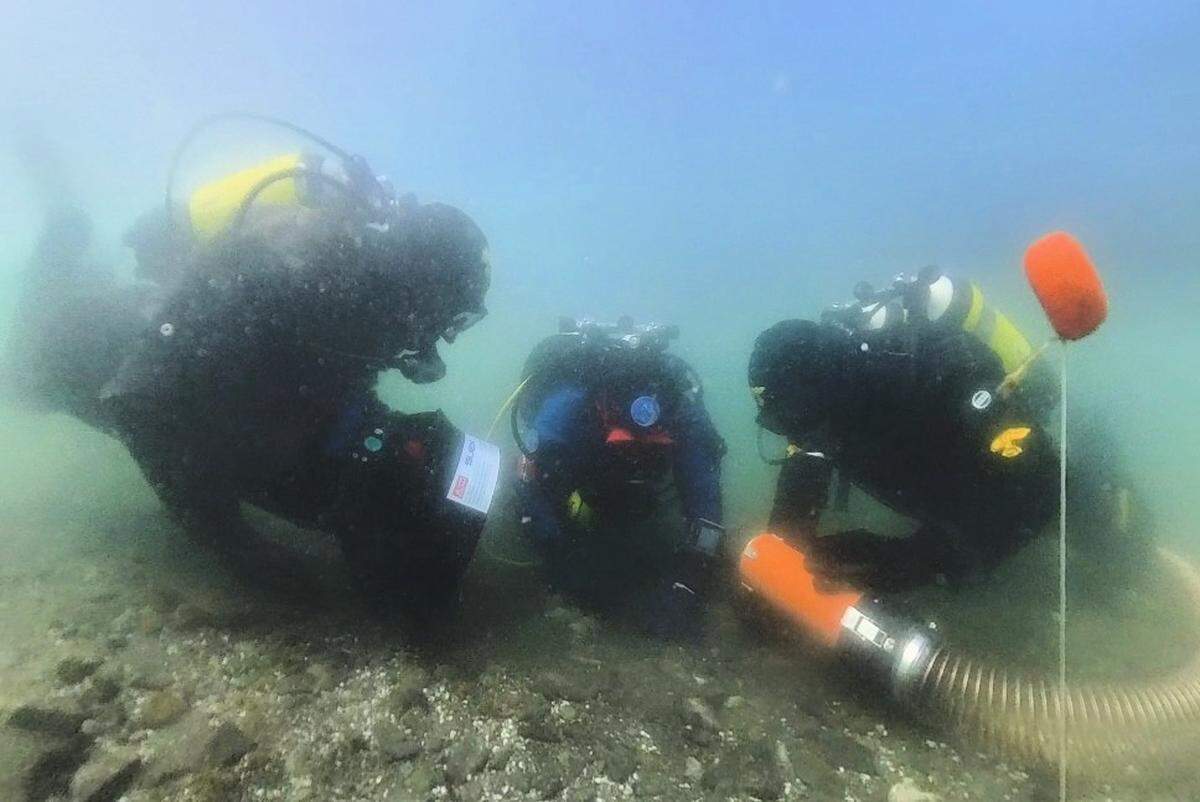
Officials said the water was particularly cold this time of year, less than 50 degrees Fahrenheit, and visibility is poor, but a collaborative research team sped up the investigation at the site.
Metal detectors pointed researchers to areas below the superficial sand, according to the release.
Researchers found multiple ceramic vases, metal rings, chains, spoked wheels, pieces used for spinning, needles, fibulae (a brooch or clasp) and more as they cleaned away the sediment layer by layer, officials said.
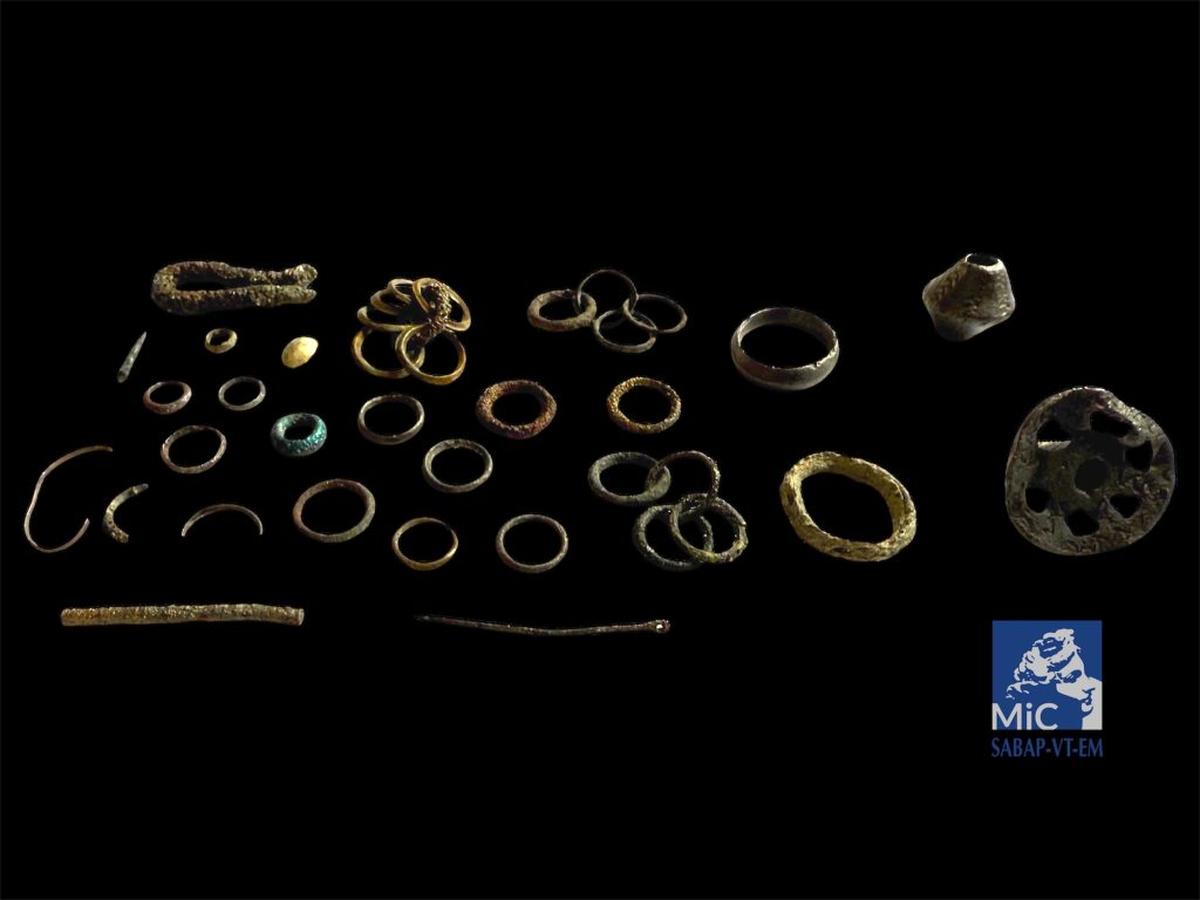
Removing the artifacts protects them from theft or damage as the site opens to more people, officials said, and paves the way for more restoration to take place.
The research team will begin mapping the Aiola with divers in the coming weeks, according to the release.
Videos of divers working on the site were posted by officials to Youtube on March 9.
Bolsena Lake is in west-central Italy, about an 80-mile drive northwest from Rome.
Google Translate was used to translate the news release from the Superintendence of Archaeology, Fine Arts and Landscape for the province of Viterbo and Southern Etruria.