At-risk marsupials escape from protected area in Australia. ‘Eager little explorers’
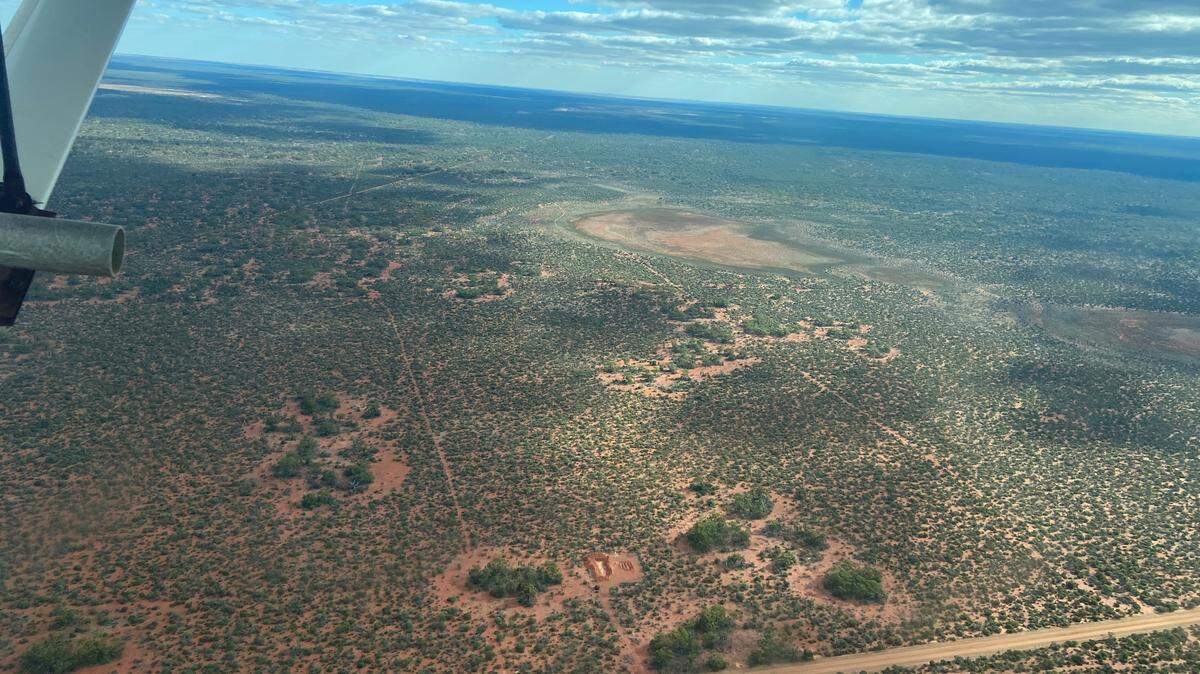
Finding escaped marsupials in the vast Australian outback may sound much harder than finding a needle in a haystack. But a team of dedicated ecologists — with a lot of patience and an airplane — managed to track down the “eager little explorers.”
Ecologists at Mount Gibson Wildlife Sanctuary in southwestern Australia were monitoring a population of at-risk marsupials known as western quolls when they noticed eight of the animals had vanished from the fenced-in area, the Australian Wildlife Conservancy said in a March 4 news release.
Western quolls are about “the size of a domestic cat” and have “brown fur with numerous conspicuous white spots,” the organization said. They’re nocturnal, carnivorous marsupials and generally considered a vulnerable species.

Late last year, ecologists fitted a group of western quolls with radio collars and released them into a protected, predator-free area at Mount Gibson Sanctuary as part of ongoing wildlife reintroduction efforts. Soon after, eight quolls stopped showing up on the radar.
“We searched as high and low as we could using the drone, driving and walking across the property, but the quolls were nowhere to be found,” Louis O’Neill, an ecologist with the organization, said in the release.
“We figured (the quolls) had travelled well beyond the sanctuary’s boundaries and our only option was to charter a plane and take the search well above ground,” O’Neill said.
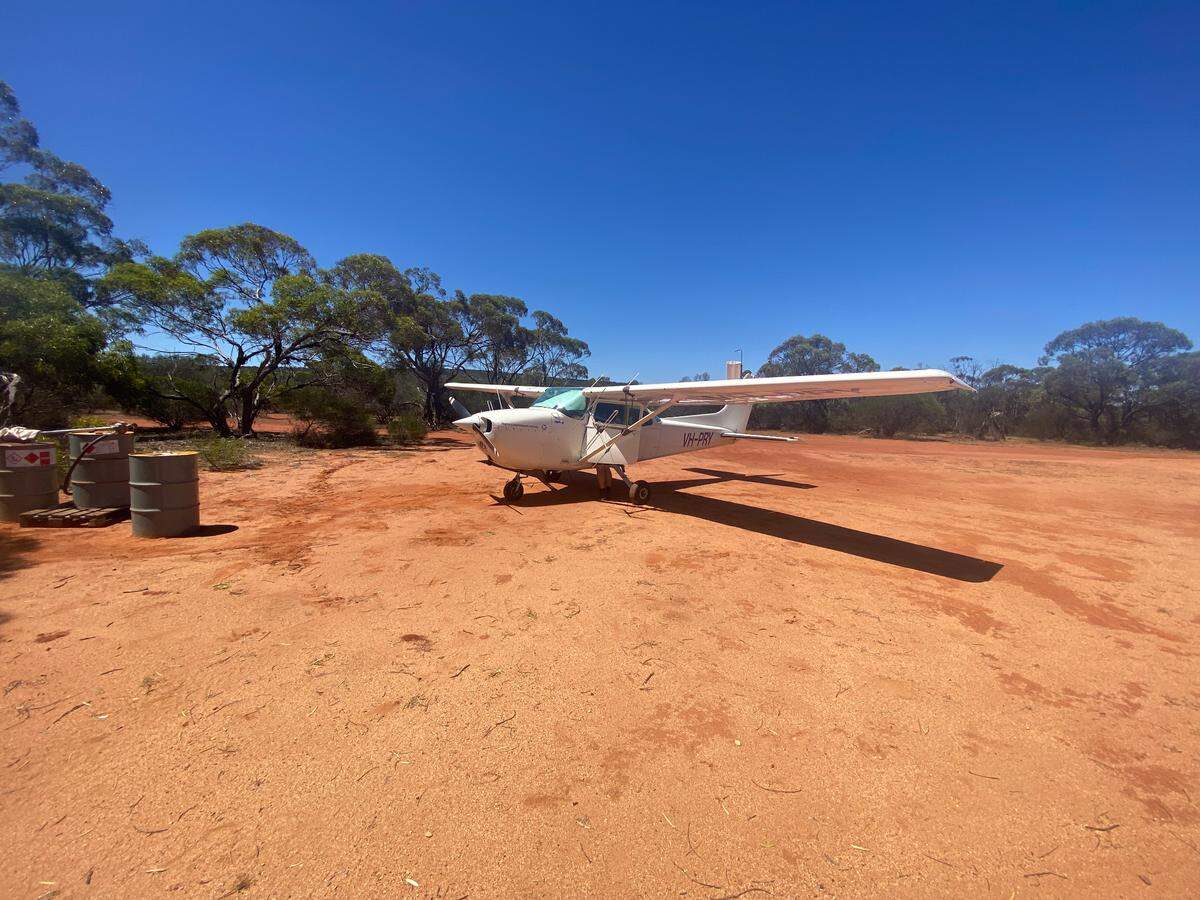
The team chartered a small airplane and spent two days flying across the sanctuary and several neighboring areas while playing “spot the quoll,” the organization said. In total, the crew covered an area slightly larger than the state of Rhode Island.
“The search was well worth the effort,” the conservancy said. Ecologists located four of the missing quolls “in areas only accessible to the team by plane” and found the bodies of two more that may have “died of natural causes.”

“Eager little explorers, the quolls travelled further than we imagined they would,” O’Neill said. “One individual managed to move (about 31 miles) south west of the sanctuary, while the others clocked” about 16, 17 and 19 miles.
Two of the escaped quolls were caught and brought back to Mount Gibson Wildlife Sanctuary where they have remained ever since, the organization said.
Ecologists are still monitoring the other four quolls and, based on radio collar data, know they “regularly” visit the sanctuary.