Stone head of Buddha statue found in Cambodia in 1927. Now, rest of body discovered
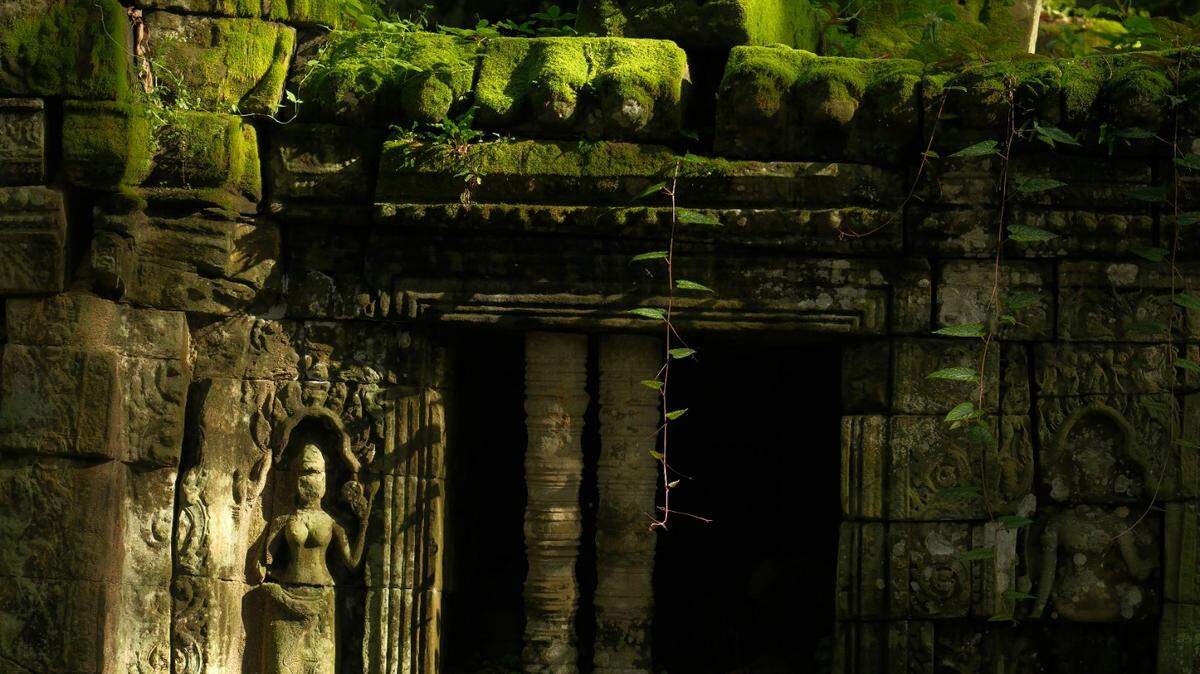
The pieces of a disarticulated statue of Buddha have been reunited nearly a century after the first piece was found at the Ta Prohm Temple in Cambodia, archaeology officials announced.
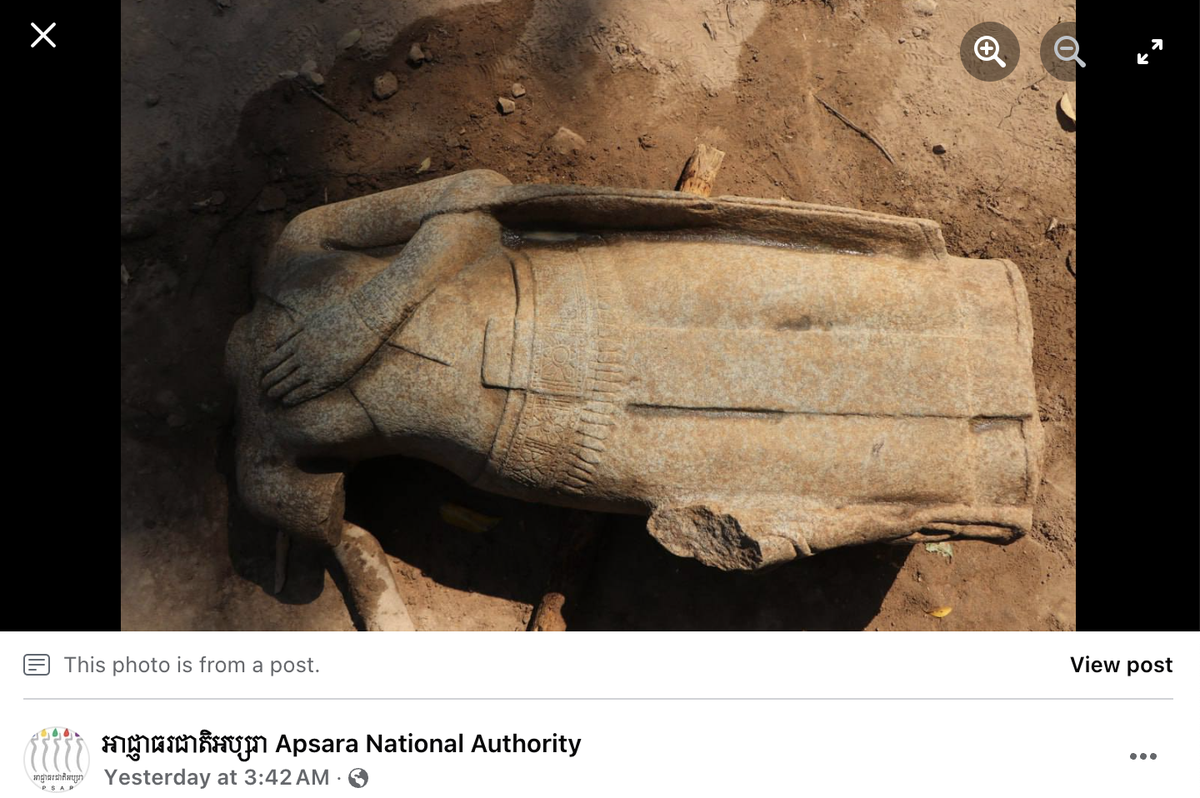
Archaeologists were working on the second phase of excavations at the 12th century temple when they unearthed a headless stone body, according to a March 10 Facebook post from the Apsara National Authority.
The body was in a Bayon style of art and was decorated with carved jewelry. He was wearing a robe and veil, and his left hand was in a “unique” position for this style of art, lightly placed on his chest, archaeologists said.
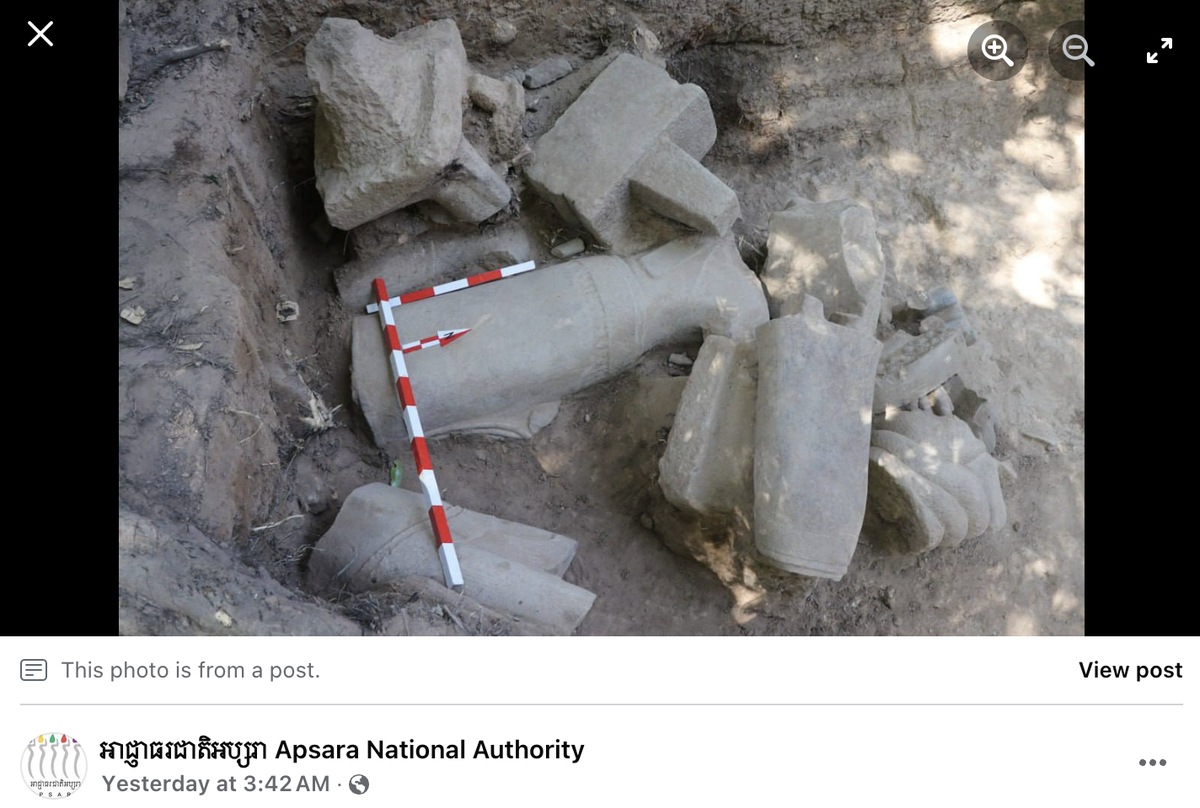
The statue stands about 3.8 feet high and is 22 inches wide, officials said.
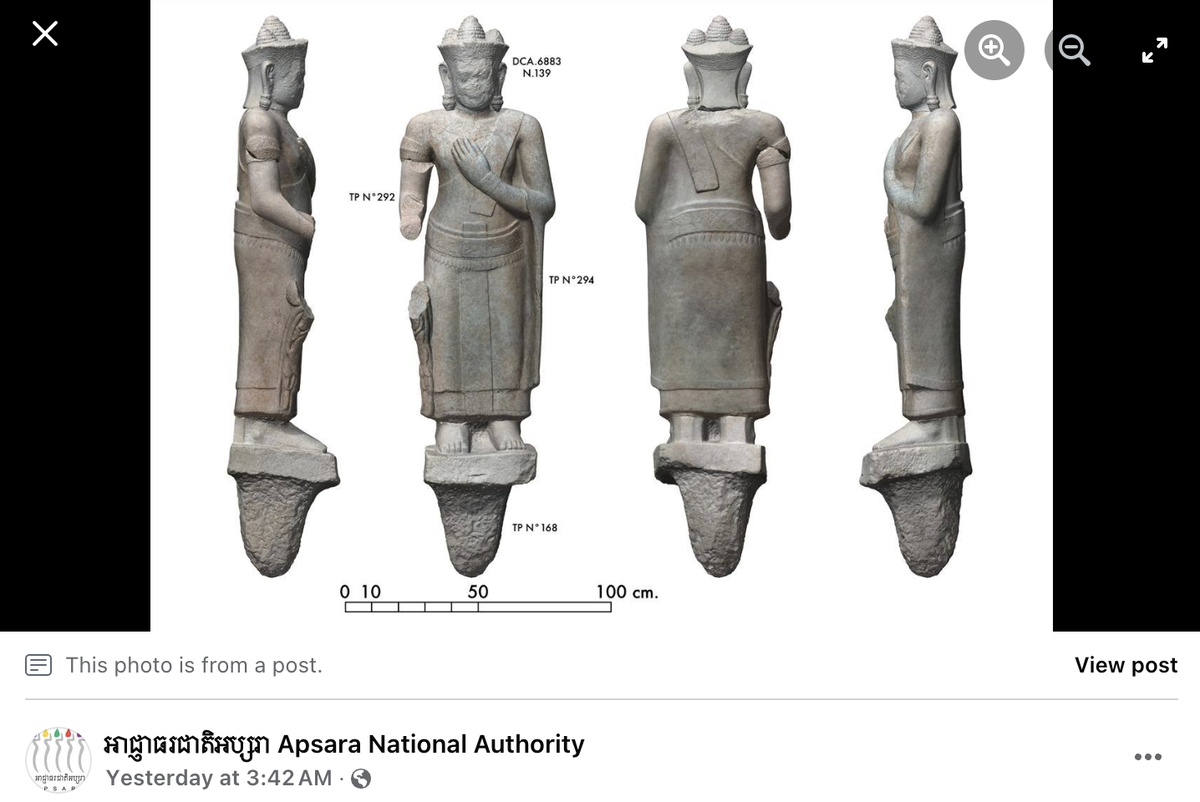
When archaeologists compared the statue to other stone pieces found in earlier excavations, they noticed it matched a hand and foot, both found in July, according to the post.
But there was another piece that had been in the collection at the Angkor Conservation since 1927 that also matched.
Archaeologists said a Buddha head was found during the years of French occupation in Cambodia, and when it was scanned and compared to the body of the Buddha, they realized the pieces fit together, despite being discovered 98 years apart.
Digital scans allowed researchers to put all the pieces — the hand, foot, head and body — together and reconstruct the full statue, according to the release.
Archaeologists did not give an exact age to the Buddha, but if it is from the same era as the construction of the temple, it is likely nearly 1,000 years old.
Ta Prohm Temple was made famous by its appearance in Tomb Raider, a movie and video game franchise.
However, it was originally built as a Buddhist temple dedicated to the mother of King Jayavarman VII, according to Lonely Planet.
Jaayavarman VII lived for 100 years and is considered one of the most productive kings of Khmer, or modern-day Cambodia, according to Britannica.
The king oversaw massive building projects across his empire including the rebuilding of the city of Angkor, highway expansion that radiated outward from the royal palace and a network of roads and hospitals dispersed and placed under the protection of the Great Buddha of Healing, according to Britannica.
The king and his sister put a significant emphasis in building Buddhist temples and spaces in an effort to spread and support Buddhism, as well as mitigate perceived sin that manifested itself in Jayavarman as leprosy, Britannica says.
Ta Prohm Temple is in northwestern Cambodia, south of the eastern border of Thailand.
Facebook Translate was used to translate the Facebook post from the Apsara National Authority.