2,400-year-old ceramic dolls found on El Salvador pyramid. See their expressive faces
Throughout history, people around the world have attempted to depict the human form.
From Neolithic paintings on cave walls to elaborate statues carved from marble, artists have dedicated their lives to trying to replicate the people around them.
Artists in Mesoamerica chose to use clay for their depictions before clay was used for things like pottery, researchers said in a March 5 study published in the peer-reviewed journal Antiquity.
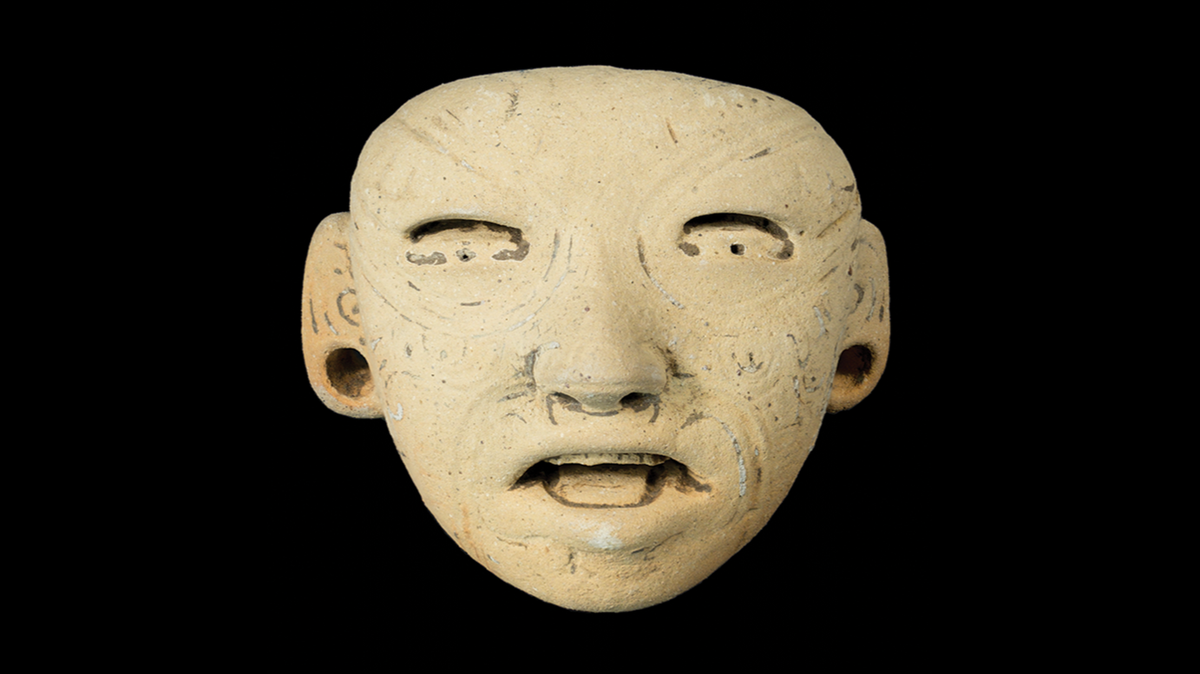
Now, five of those humanoid figurines from 2,400 years ago were discovered in a surprising location — and with shockingly expressive faces.
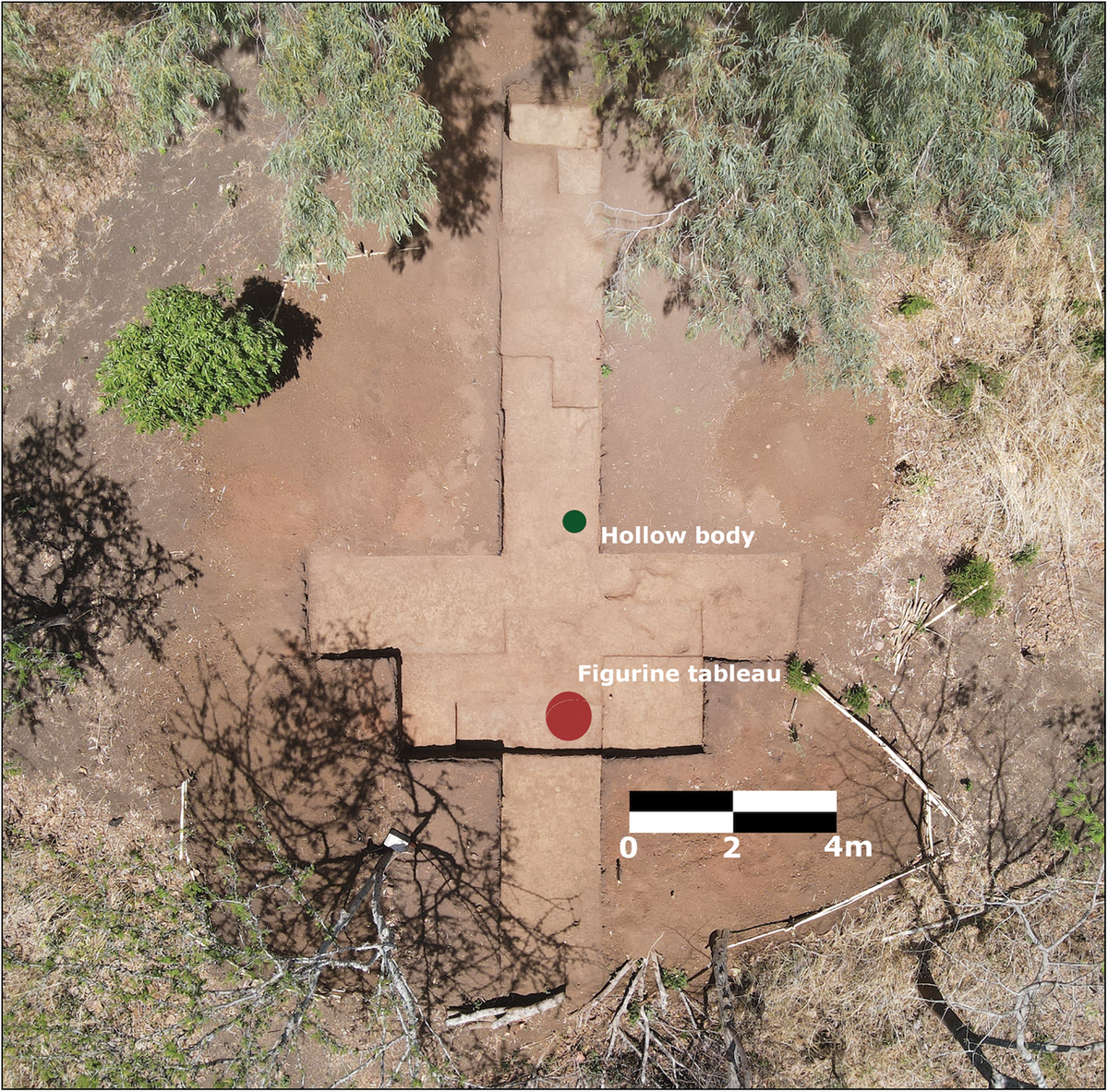
Polish archaeologists who were excavating a large pyramid in San Isidro, El Salvador, found a collection of items that resembled a funeral deposit but were missing human remains, according to a March 5 Facebook post from Antiquity.
With the items were five ceramic figurines dating to around 400 B.C., researchers said.
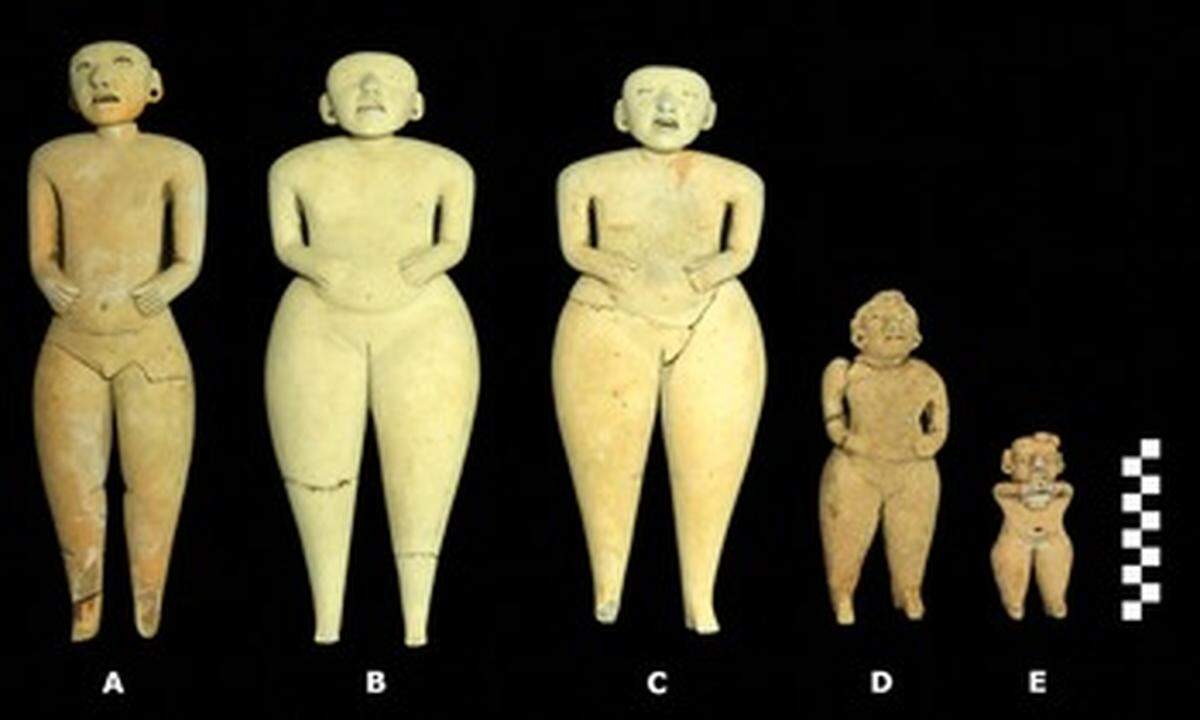
“This finding is only the second such a group found in situ (where it was left) and the first to feature a male figure,” Jan Szymański, study author and researcher at the University of Warsaw, said in the post.
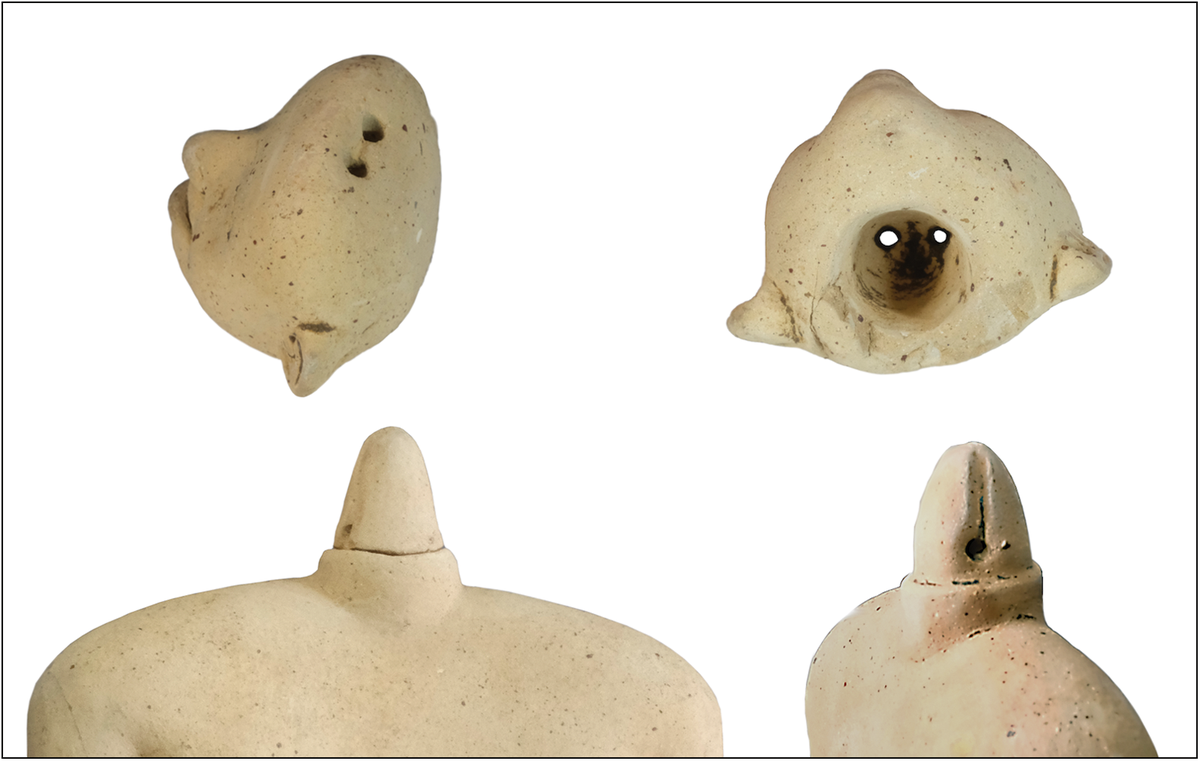
Three figurines have heads that can swivel on their bodies, much like modern-day dolls, researchers said.
The bodies of the figurines have a conical protrusion that matches the shape of a socket in the head, according to the study. Holes in the head sockets could then be fitted with a string that tied the head to the body, allowing the head to move around like a doll.
Those with the adjustable heads are naked, but the two smaller figures are decorated with hair and earspools in the lobes of their ears, researchers said.
“The size of the larger figurines, along with the ability to move their heads, inevitably provokes an analogy with modern toy dolls. Clay is not a particularly practical material for toys, arguably being more suitable for more hieratic activities,” researchers said.
Archaeologists believe that in this case, the figures were likely used in a tableau, and the figures would be placed in certain positions to re-enact scenes or events to convey messages.
They were likely used in rituals because of their location on top of the pyramid, researchers said, but what kind of rituals is unknown.
“One of the most striking features of the puppets is their dramatic facial expression, which changes depending on the angle that we look at them from”, Szymański said in the post. “Seen from above they appear almost grinning, but when looked at from the level angle they turn angry or disdainful, to become scared when seen from below. This is a conscious design, perhaps meant to enhance the gamut of ritual performances the puppets could have been used in.”
Similar figurines have been found in western El Salvador as well as southern Guatemala, researchers said, and other items found at the same site, like jade pendants, are also found in other parts of Central America.
This means the elite of El Salvador likely traded in ritualistic traditions and customs across great distances, contradicting previous beliefs that these communities were isolated, according to Antiquity.
“Little is known about the identities and ethnolinguistic affiliations of the creators of ancient settlements that predate the arrival of Europeans in the early 16th century,” Szymański said in the post. “This gets worse the further back in time we look.”
These figurines and shared styles between groups “reveals the existence of vibrant and far-reaching communities capable of exchanging ideas with remarkably distant places,” Szymański said in the post.
The San Isidro site is in western El Salvador, near the Pacific coast.
The research team includes Szymański and Gabriela Prejs.