2,000-year-old decapitated body found in Northern Ireland bog may have been sacrificed
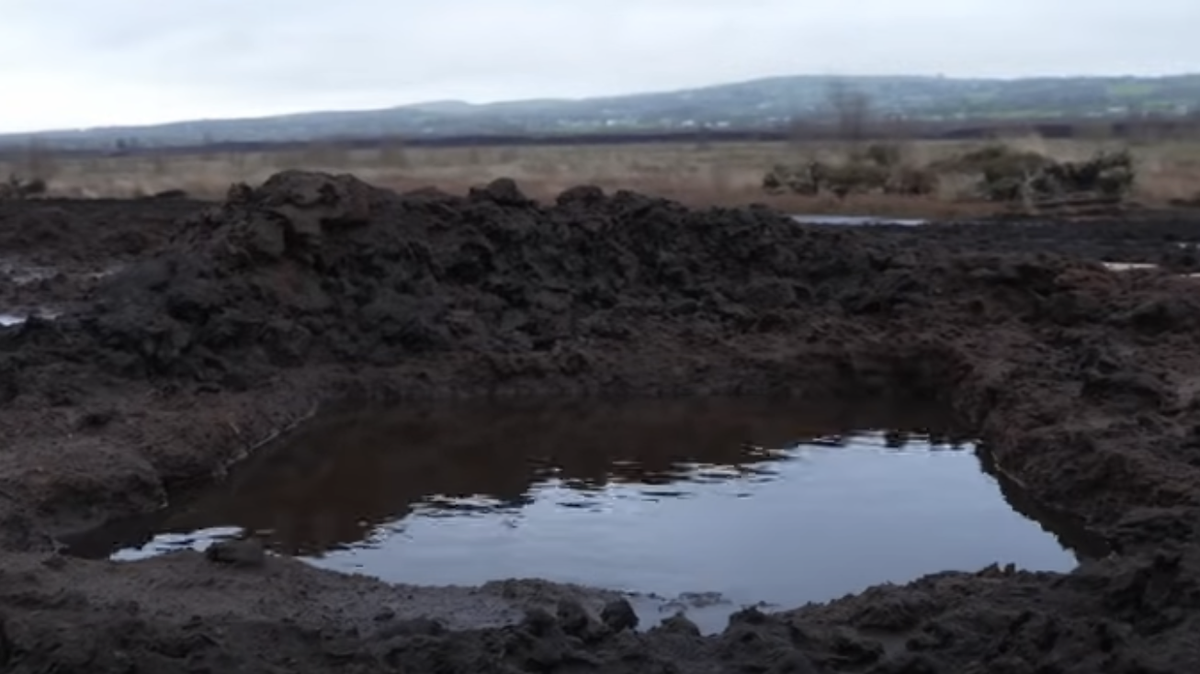
More than a year ago, police in Northern Ireland were alerted to human bones discovered on the surface of peatland, a type of saturated wetland or bog.
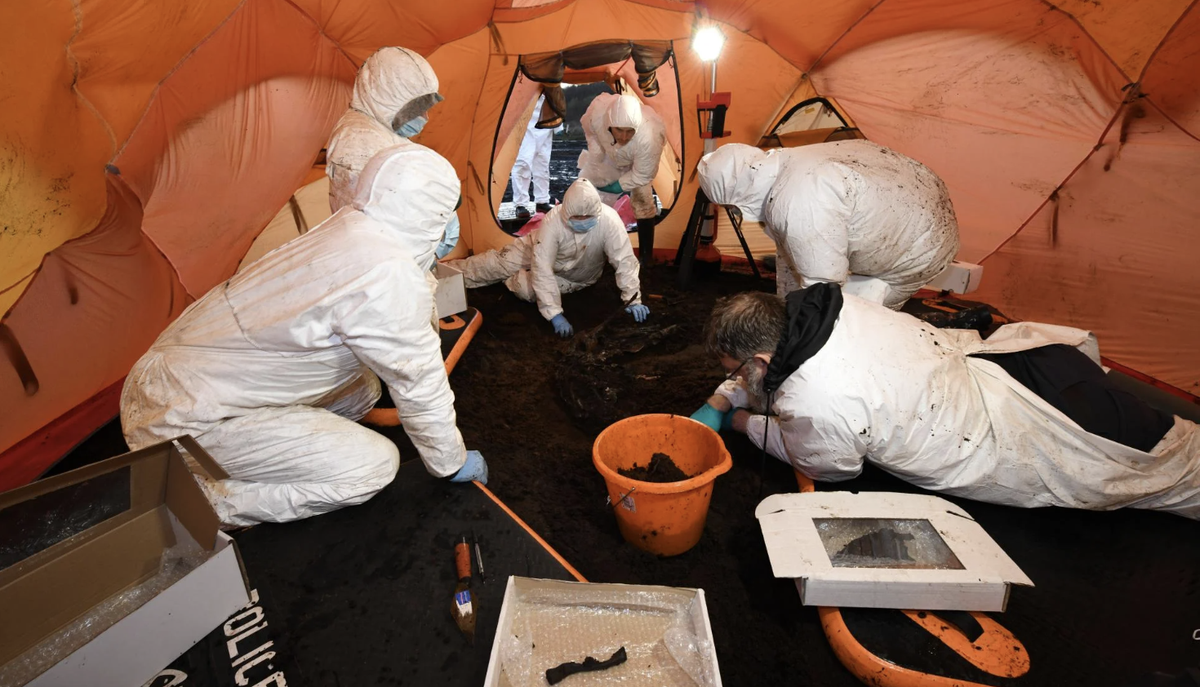
“On initial examination, we couldn’t be sure if the remains were ancient or the result of a more recent death,” Detective Inspector Nikki Deehan said in a January 2024 news release from the Northern Ireland Police Service. “Therefore, we proceeded to excavate the body with full forensic considerations in a sensitive and professional manner. This approach ensures that any DNA evidence could be secured for any potential criminal investigation.”
The remains were carbon-dated, and researchers found they belonged to someone from more than 2,000 years ago, according to police.
Archaeologists at the time believed the body belonged to a teenage boy, between the ages of 13 and 17, but noted that the head was not found with the rest of the remains.
Now, after a year of scientific study, the research team has not only realized the body belongs to a woman, but she may have been the victim of a gruesome sacrifice.
“Dating to approximately 343 to 1 BCE, the remains are over 2,000 years old and date to the prehistoric period known as the Iron Age,” researchers said in a Feb. 20 release from the National Museums of Northern Ireland. “Osteoarchaeological analysis has now revealed the body to be female, a discovery made all the more significant as the majority of bog preserved individuals that have been found from this period are male.”
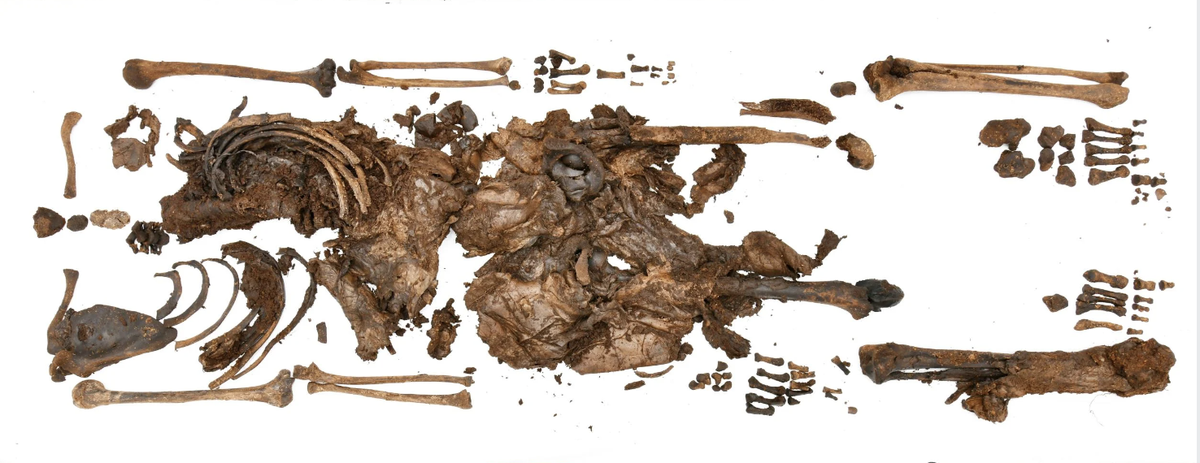
Initial excavations found bones from the arms, legs, fingers and breastbone, police said. Because the body had been well preserved in the bog environment, researchers also found partial skin, fingernails from the left hand, some toenails and what appears to be a kidney.
The woman stood about 5 feet, 6 inches tall, researchers said, but the remains stopped at her neck.
“While the body was well preserved, the skull was absent and not recovered,” researchers said. “Cut marks on the neck vertebrae indicate the cause of death as an intentional decapitation in the bog.”
Her death is now a 2,000-year-old murder investigation.
“This may be part of a pattern of ritual and sacrifice during the Iron Age period,” researchers said.
Along with her body, archaeologists also discovered parts of a woven item that was below her knees that has yet to be identified, according to National Museums of Northern Ireland.
Preserved ancient bodies found in watery environments, colloquially called “bog bodies,” are not the same as intentionally preserved remains through mummification practices.
Bogs are low-oxygen environments and prevent decay, and chemicals like tannins — used in tanning leather — preserve even the organic tissues from human remains, according to Britannica.
Many famous bog bodies have violent causes of death, ranging from strangulation to slit throats, suggesting throwing a body in the bog during the Iron Age was intentional.
“Ballymacombs More Woman is certainly one of the most important archaeological discoveries on the island of Ireland. This important discovery gives us a glimpse into the lives of the people of our ancient past and offers insights into how they lived, interacted with their environment, and developed their cultures,” Niamh Baker, curator of archaeology at National Museums of Northern Ireland, said in the release.
The body was found in Bellaghy, in central Northern Ireland.