
Archaeologists discover Roman villa in France — then unearth soldier’s wedding ring
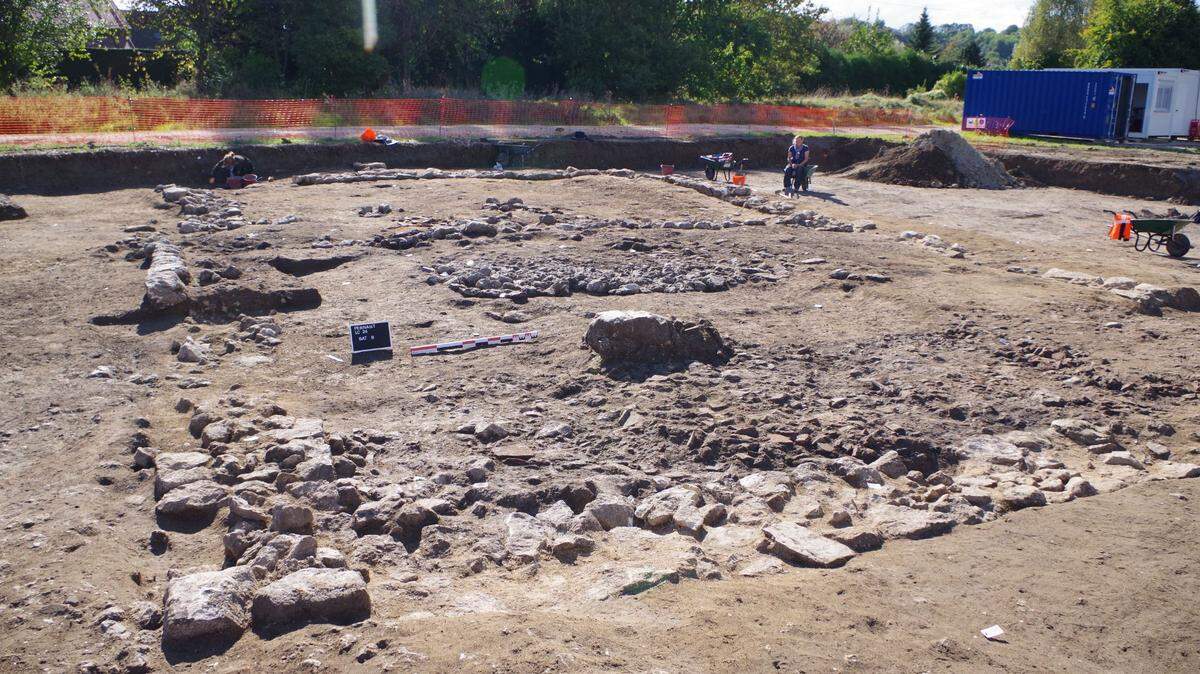
Decades after an ancient site was discovered in northern France, recent excavations have revealed Roman influences — and a surprising occupant.
During aerial surveys in the 1970s, researchers found several acres of land that appeared to have stone structures below the surface in Soissons, according to a Jan. 27 news release from the French National Institute for Preventive Archaeological Research.
The site is near the edge of an important ancient road as well as at the bottom of a slope near a river, contributing to a high level of preservation, archaeologists said.
The stony remains belong to a villa dating to between the first and fourth centuries, researchers said, and is in close proximity to Augusta Suessionum, a Gallic city that was captured by Caesar in 30 B.C. and occupied by the Romans until the sixth century.
The villa follows a classic layout: an internal courtyard surrounded by a long boundary wall. The wall is more than 260 feet long and built from large limestone blocks, researchers said.
Another pile of sandstone, about 30 feet long, was found against the boundary wall, possibly creating a threshold or entrance to the villa, according to the release.
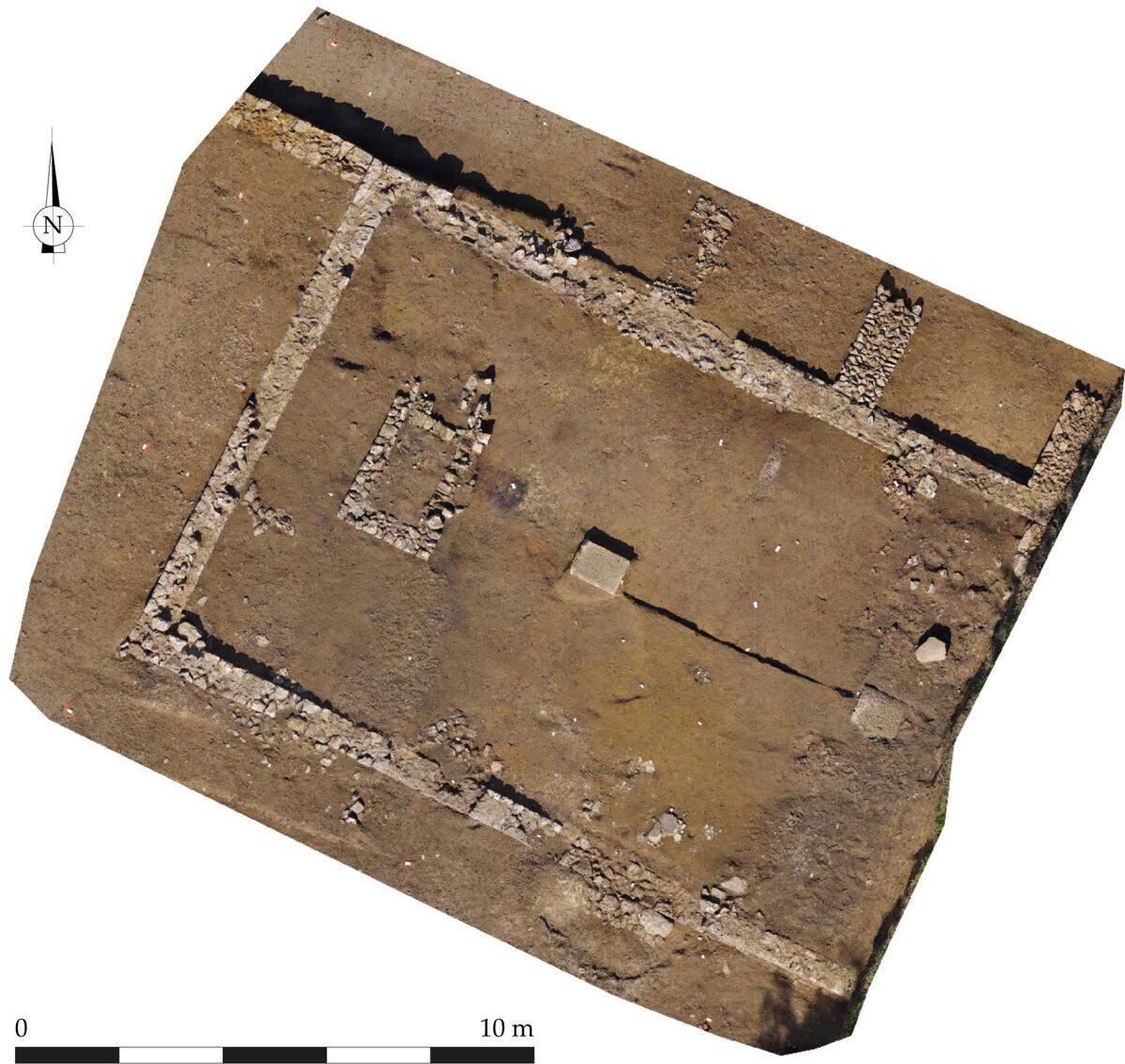
The buildings were well constructed, researchers said, even showing signs of reinforcement that may have been made at points of structural weakness.
The villa was used for both housing and agriculture, and items like axes, gouges, hipposandal to protect horse hooves, coins and slag were found throughout the property, according to the release.
Researchers also found what they called combustion structures, possibly used as domestic ovens or a forge.
A network of ditches likely older than the buildings themselves was also uncovered, though they were relatively devoid of additional artifacts, researchers said.
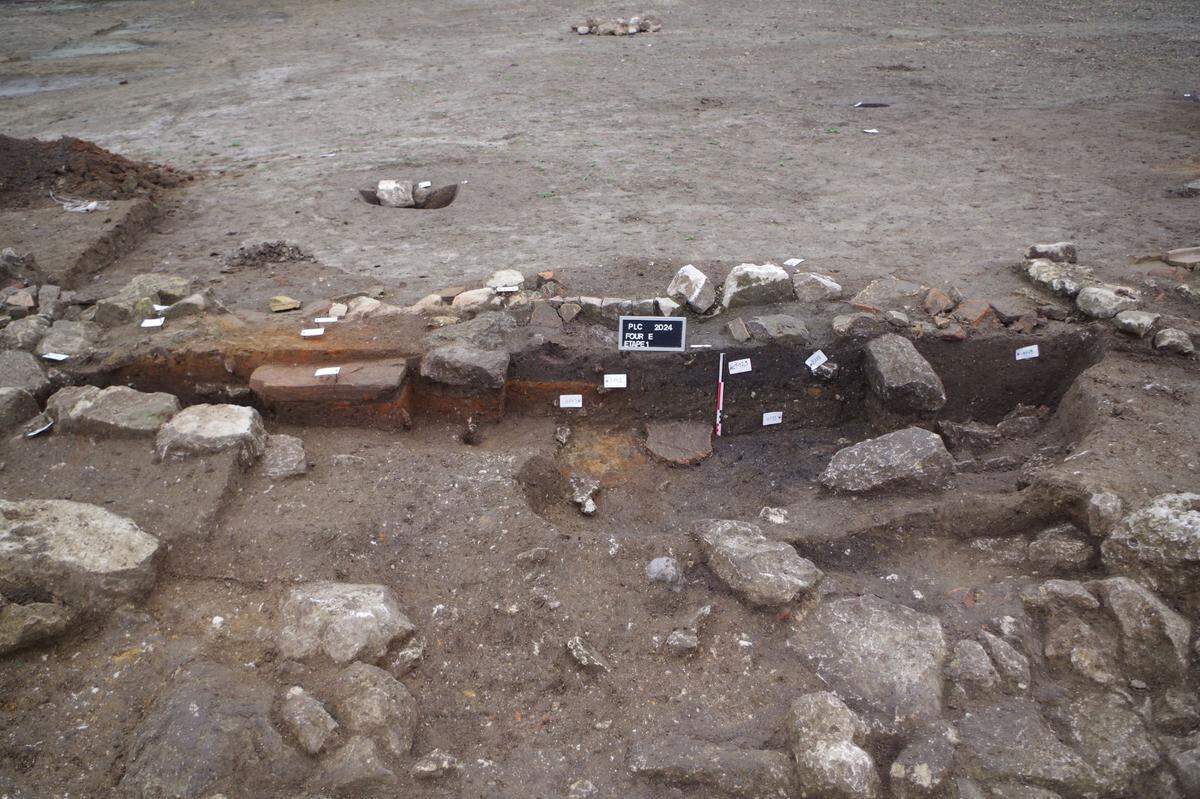
To this point, the excavations were centered around the ancient. But, one additional find changed the timeline of their research.
Archaeologists discovered a grave with human remains at the site, new enough that the person still had shoes and clothing buttons present in their burial, researchers said.
It was a man still carrying a silver cross rosary, a pocket mirror, paper, coins, a comb, a Swiss army knife and scissors, according to the release.
And, he was still wearing a wedding ring.
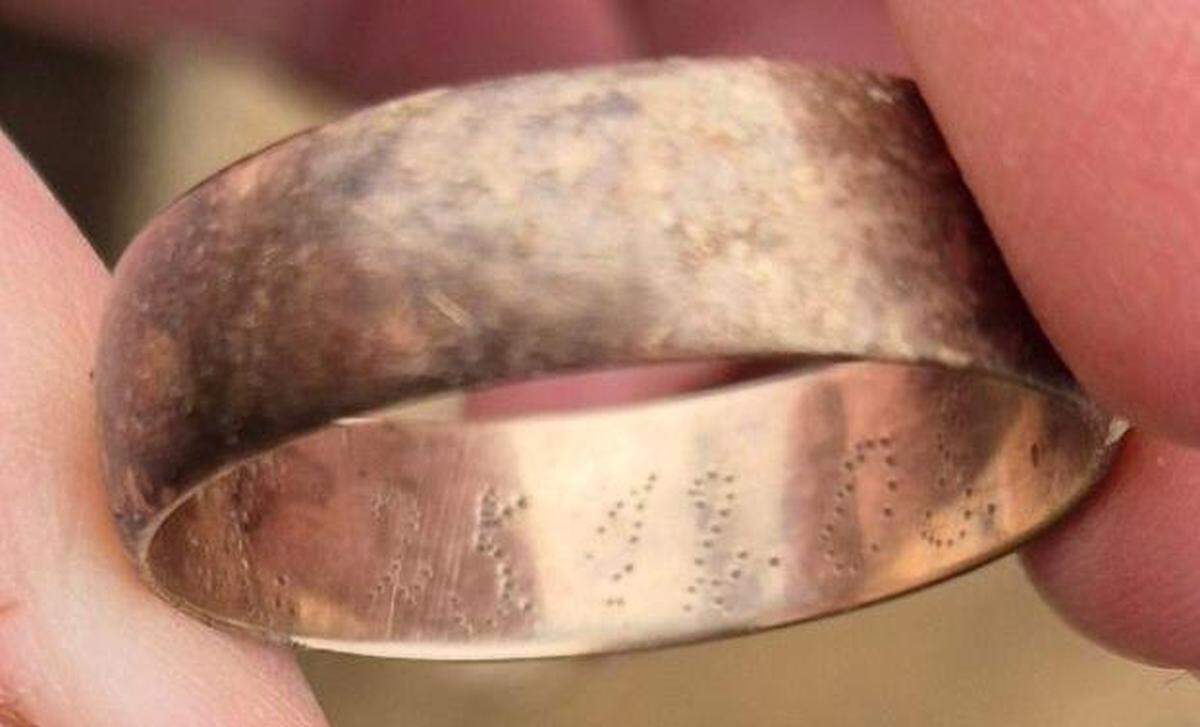
The ring was inscribed with his wedding date — Dec. 25, 1908 — and the body was identified as a German soldier from World War I, researchers said, confirmed by the discovery of his identification plate.
Since the man was identified, his remains were excavated and handed over to the Volksbund Deutsche Kriegsgräberfürsorge, or the German War Graves Commission. The group will try and reconnect the man’s body with any living descendants, according to the release, allowing him to be reburied on German soil or at the wishes of his family.
If his family can’t be found, researchers said, his remains will be reburied at a German military cemetery in eastern France.
Soissons is in northern France, about a 70-mile drive northeast from Paris.
Google Translate was used to translate the news release from the French National Institute for Preventive Archaeological Research.
