Little penguin ‘divorce rate’ worrying wildlife experts in Australia. Is love dead?
From “March of the Penguins” to “Happy Feet,” penguins have been a symbol of love through their devotion to their young and their life-long partnerships.
Emperor penguin parents battle the extreme polar south to protect their fluffy babies, and gentoo penguins scour the beach until they find the perfect stone to give to their mate.
Now, a group of penguins in Australia are stomping all over their love-bird reputation through cheating scandals and divorce — and wildlife experts are worried.
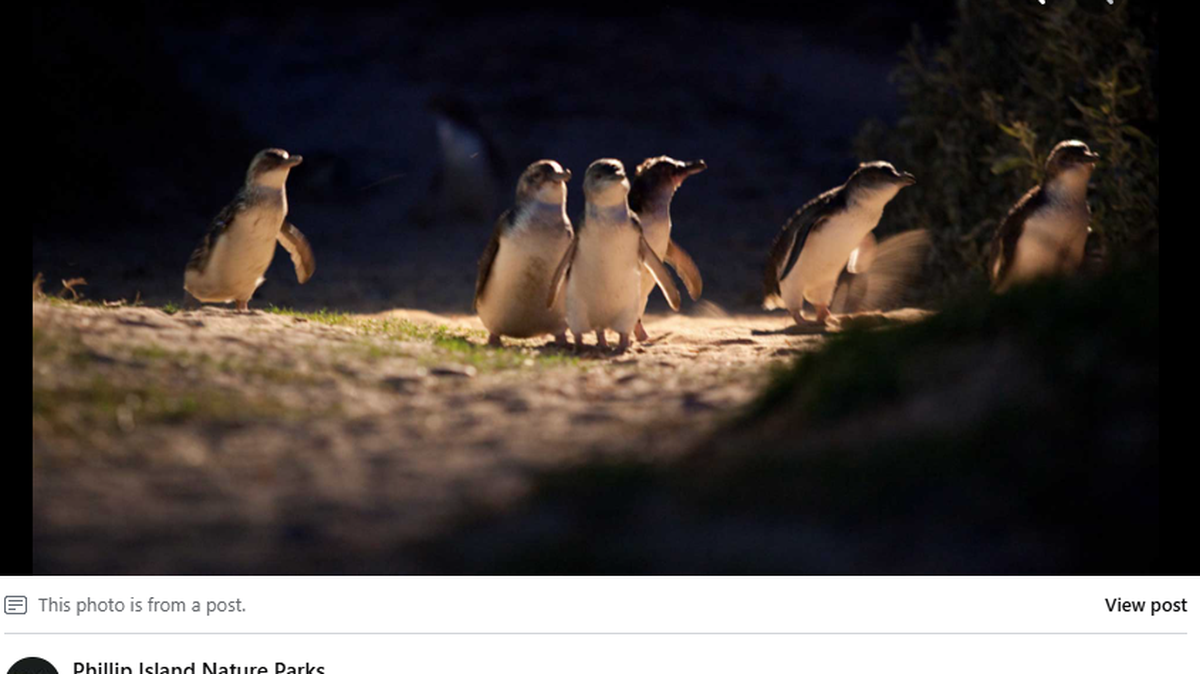
Phillip Island, a small island just off the coast of Melbourne, Australia, is home to 37,000 little penguins, a species of small penguins with blue-hued feathers, according to a Jan. 17 news release from Monash University.
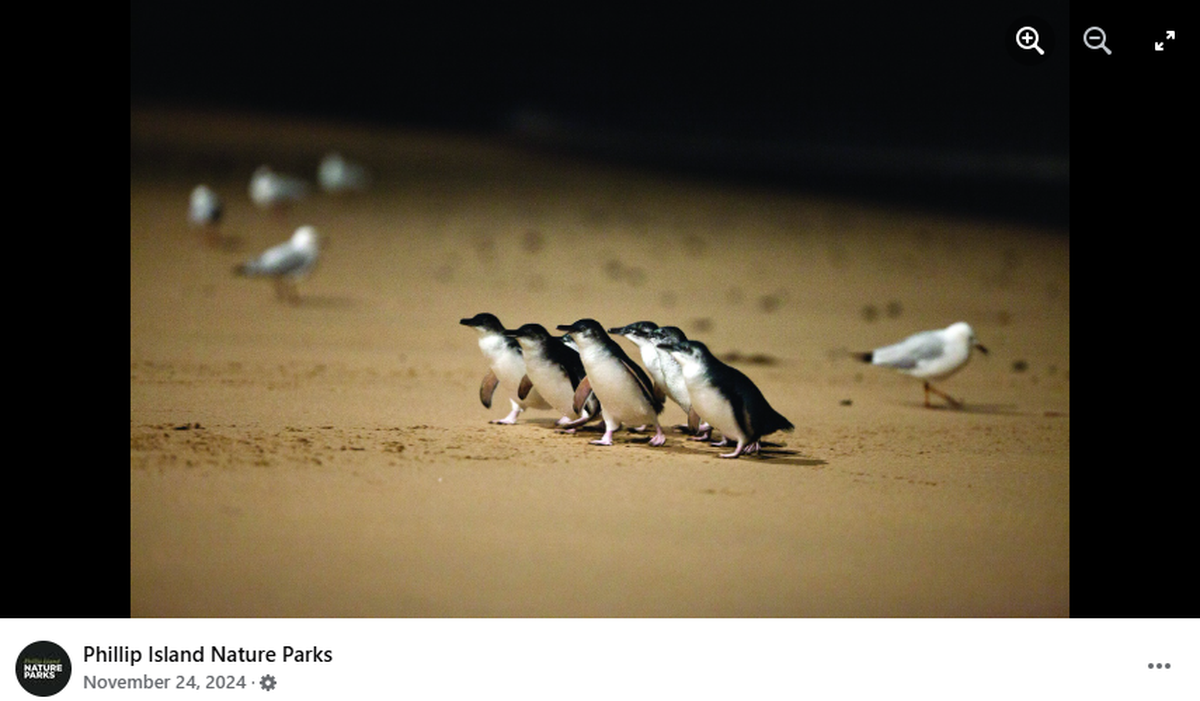
The Phillip Island Nature Parks hosts a “Penguin Parade,” which allows visitors to watch as the penguins waddle from the water back to their sandy burrows each night, according to the park.
But these little birds seem to have lost some of the sanctity of penguin partnerships, resulting in fewer little penguin chicks, according to a study published Jan. 11 in the peer-reviewed journal Ecology and Evolution.
“In good times, they largely stick with their partners, although there’s often a bit of hanky-panky happening on the side,” Richard Reina, head of the Ecophysiology and Conservation Research Group at Monash University, said in the release. “However, after a poor reproductive season they may try and find a new partner for the next season to increase their breeding success.”
Researchers tracked the penguin “marriages” over 13 breeding seasons, noting when couples stayed together or “divorced” and went their separate ways, according to the study.
“Breeding success” was then measured by the number of eggs per breeding pair, and then how many of those eggs hatched, fledged and then reached an age of at least 45 days old, according to the study.
“We recorded nearly 250 penguin divorces from about a thousand pairs throughout the study, and we found that years with a lower divorce rate resulted in higher breeding success,” Reina said.
The more than decade-long study found “the rate of divorce among penguins is a more reliable predictor of the reproductive success of the colony than environmental factors like habitat change or behavioral traits like the time they spend foraging for prey, and with more divorces and re-pairings in a breeding season resulting in lower reproductive success across the colony,” the university said.
The birds may be looking for new lovers after unsuccessful breeding seasons, hoping to have a better number of eggs, researchers said. In the long term, this will lead to more little penguins, but in the short term, this behavior can put a real dent in their population numbers, researchers said.
When penguins divorce, it takes time to find a new mate, they can stir up rivalries and fights, and there can be less reproductive familiarity between new bird partners, making the early days of the new “marriage” more difficult, according to the study. This means there may be fewer eggs in a breeding season immediately after a divorce, but that number could then rise once the birds have been together for multiple seasons.
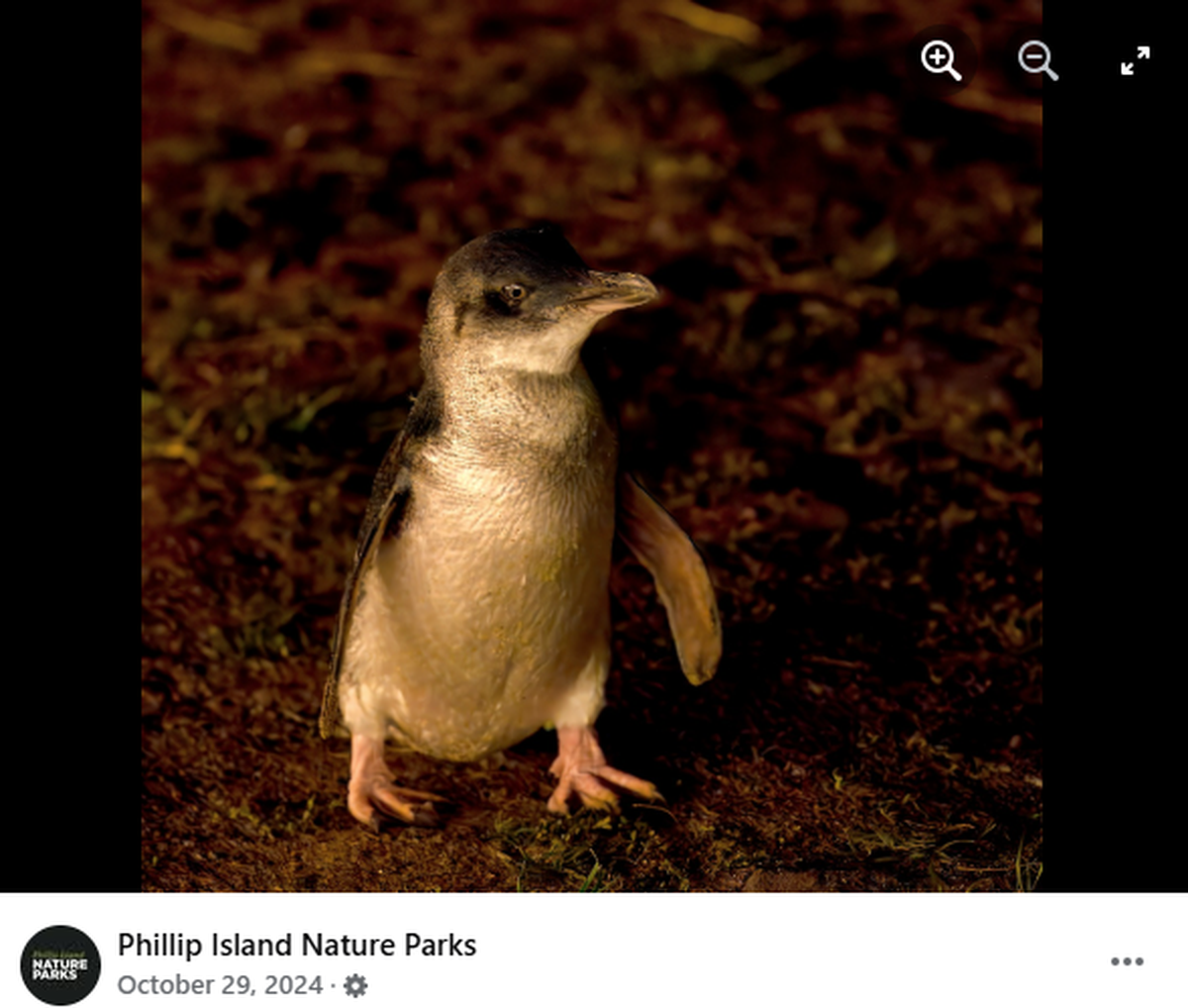
Little penguins are the world’s smallest penguins and are identifiable by their blue and white feathers in contrast to the famous black and white seen in other species, according to the Penguin Foundation.
The largest population of little penguins is on Phillip Island, and because of the food they eat, the penguins are good indicators of the surrounding ocean’s health, researchers said.
Phillip Island is just off the coast of Melbourne on the southeastern coast of Australia.
The research team includes Reina, Matthew D. Simpson, Ashton L. Dickerson, Andre Chiaradia and Lloyd Davis.