Critically endangered creatures appear on trail camera — and may be getting frisky
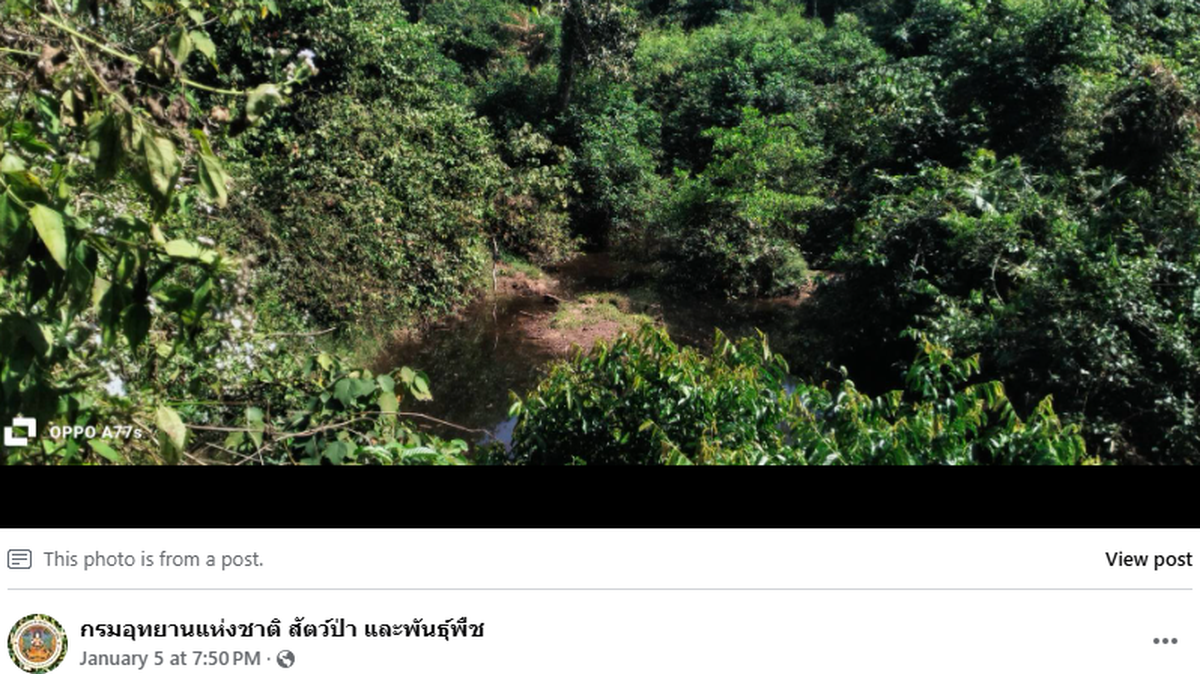
Two incredibly rare crocodiles have appeared on trail cameras in a Thailand national park, and wildlife officials believe the crocodiles may be taking their own steps to preserve their species.
Thai freshwater crocodiles, or Siamese crocodiles, are a critically endangered species with fewer than 1,000 left in the wild. They are found in southern Laos, Thailand, Vietnam, Cambodia and parts of Indonesia, according to the IUCN Red List.
Researchers working in Thailand’s Pang Sida National Park installed trail cameras aimed at finding and tracking the animals, the Department of National Parks, Wildlife and Plant Conservation said in a Jan. 5 Facebook post.
In December, officials caught a glimpse of the rare reptiles.
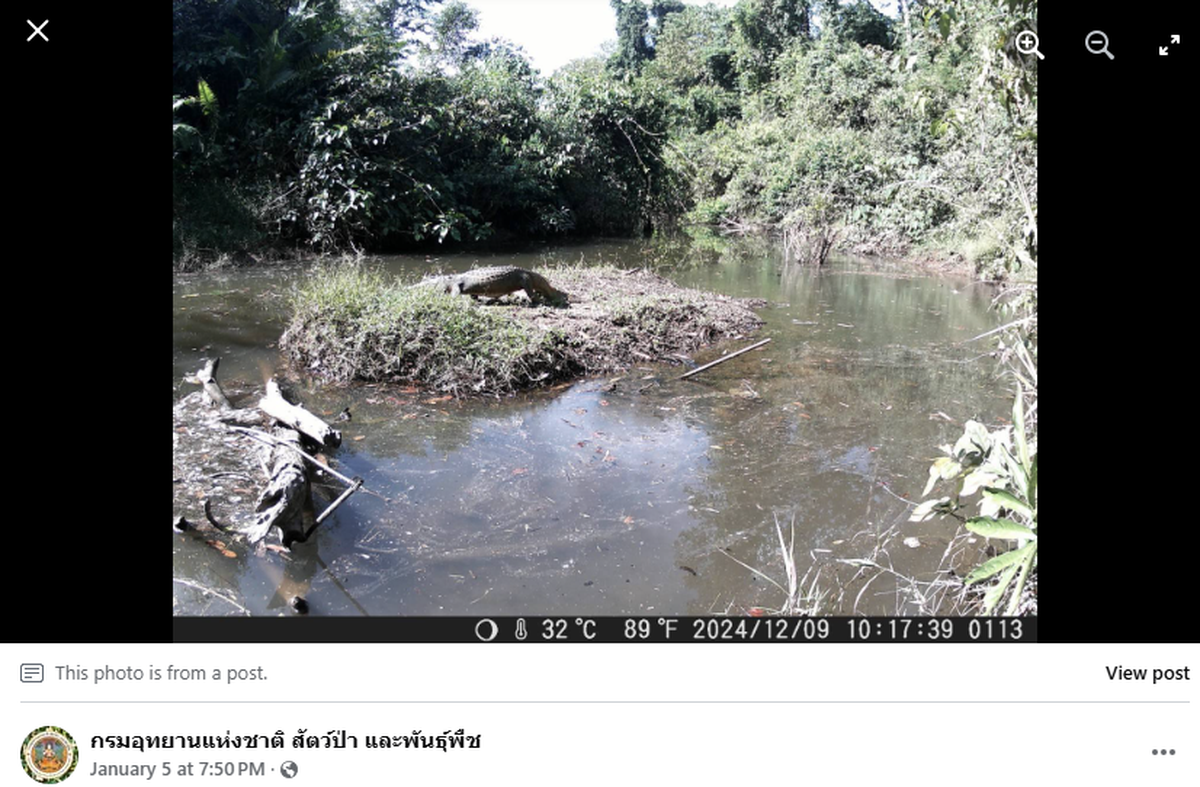
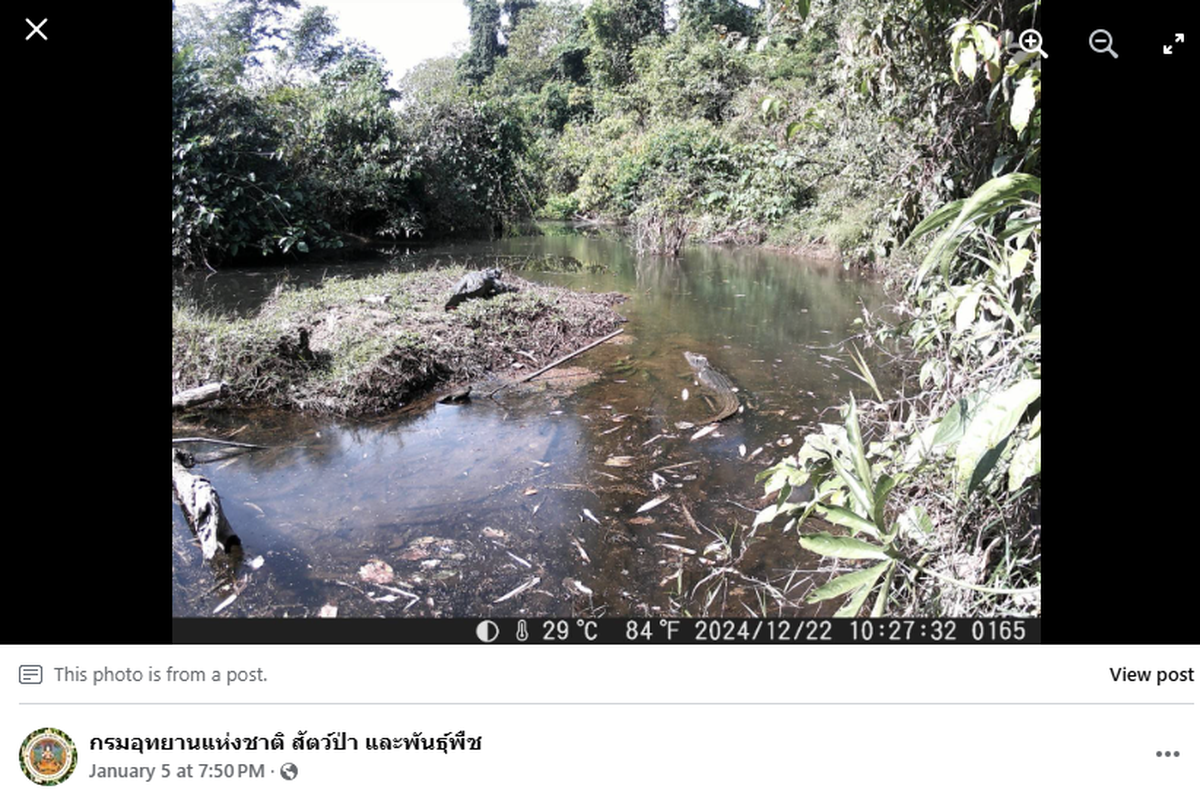
Early in the month, on Dec. 9, the cameras captured a single Thai freshwater crocodile sunbathing along the grassy riverbank. Later in the month, on Dec. 22, two crocodiles were caught in a frame, officials said.
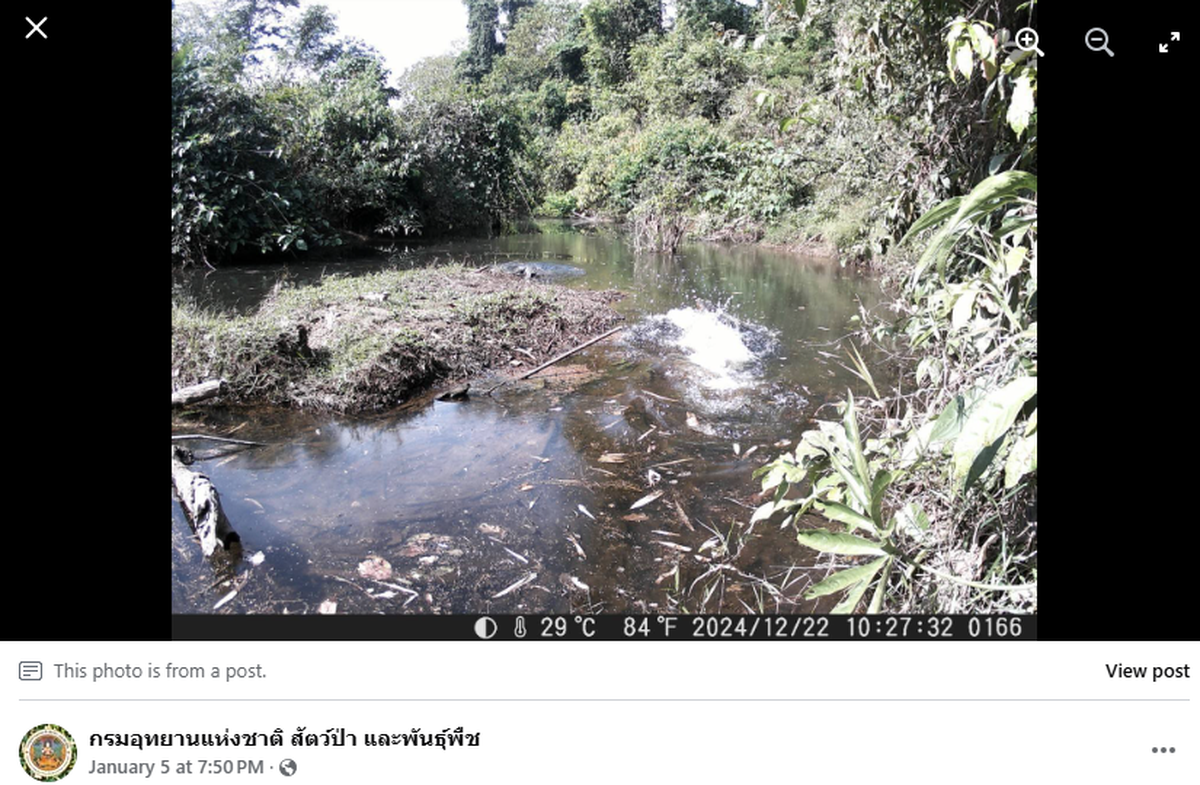
One crocodile was on the river island sunbathing until a second crocodile came up from the water and chased after the first.
Officials believe this is a mating behavior, researchers said in a Jan. 6 news release.
On Dec. 29, a crocodile again appeared in the trail camera footage, this time accompanied by a group of otters, officials said.
This location, the grassy island in the middle of the river, appears when water levels are low, and attracts other animals like monitor lizards, otters and elephants, researchers said. It also brings in lots of puffer fish, a common and important food source for the endangered crocodiles.
The rest of the river is surrounded by forest, making this spot a wet oasis.
Thai freshwater crocodiles are relatively large, ranging in size from 6 to 9 feet long, officials said. They are sexually mature between the ages of 10 and 12 and can lay as many as 20 to 48 eggs at a time.
The crocodiles generally live to about the age of 25 in the wild, according to the IUCN Red List, so the crocodiles spotted in the trail cameras are likely in the second half of their lives.
The typical egg-laying season begins around May, aligning with Thailand’s rainy season, and females lay the eggs in holes dug along the sandy river beaches, according to the release. Eggs hatch between 68 and 85 days later.
Officials said it is impossible to tell if these crocodiles belong to an original population of animals or if they came from a group of released animals, but either way it is good news to see them exhibiting normal, wild crocodile behaviors. They typically live and forage alone, so seeing the two together is a positive sign for the success of the species in the wild, officials said.
Pang Sida National Park is in southeastern Thailand
Facebook Translate and Google Translate were used to translate the Facebook post and news release, respectively, from the Thailand Department of National Parks, Wildlife and Plant Conservation.