
1,000-year-old skeleton buried with weapons identified as female. Was she a warrior?
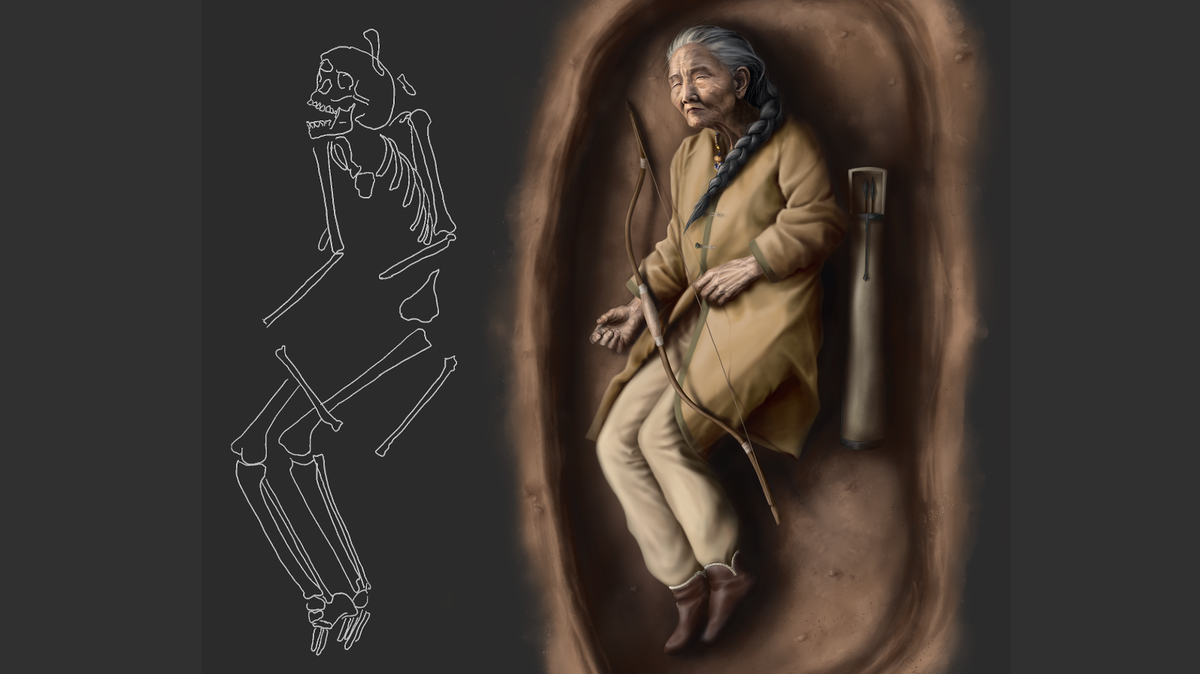
In the 1980s, archaeologists unearthed a sprawling medieval cemetery in eastern Hungary. Dating to the 10th century A.D., the site was found to contain numerous skeletal remains buried alongside weapons.
Now, decades later, one of these skeletons has been positively identified as female — a “rare occurrence” in the archaeological record, according to a study published on Nov. 26 in the journal PLOS One.
In fact, it is the first female burial found with weapons ever to be discovered from this time period and region.
The discovery poses a flurry of questions about her identity. Was she a warrior? Did she fight in battle alongside men?
It’s complicated, researchers said.
The gravesite
Filled with over 200 graves, the cemetery is known as Sárrétudvari–Hízóföld.
It was used by Magyars, Hungarian people who originated from the east sometime around the ninth century, who were renowned for their use of mounted archers in battle.
The specific burial that researchers analyzed is known as Grave No. 63, located on the western edge of the site.
It contained a poorly preserved skeleton that, with the help of numerous analyses, was confidently identified as female.
A number of artifacts were found alongside the remains, including a silver hair ring, a string of multi-colored beads and three buttons.
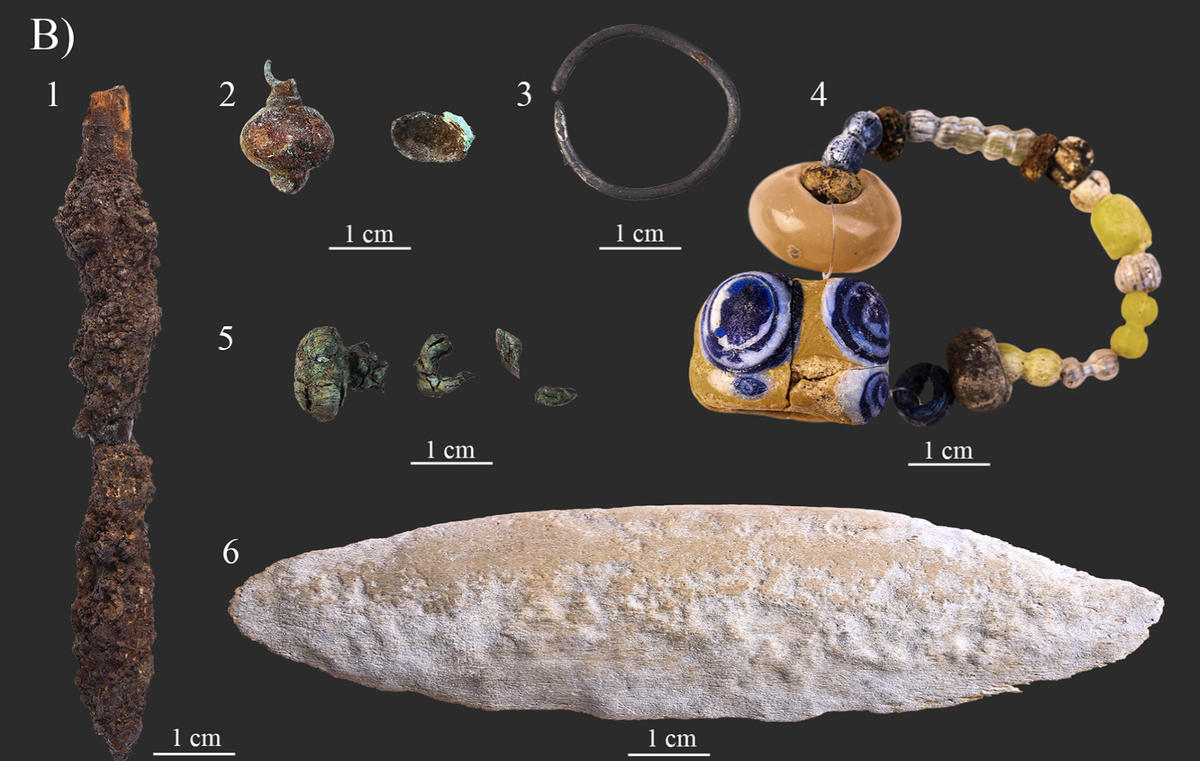
What intrigued researchers the most was archery equipment, including an “armor-piercing” arrowhead, pieces of an iron quiver and a bow plate made from an antler found alongside her remains, researchers said.
Based on the position these artifacts were found in, it appeared as though the “the deceased was gripping the bow.”
Identity of the woman
The evidence found in the grave paints a murky picture of the deceased woman, making it difficult to determine her identity and place in society.
For example, the jewelry she was found with was typical of female burials, while the weapons are linked to male burials.
Further, an analysis of the skeletal remains indicated that the woman likely suffered from osteoporosis, a disease commonly associated with older women. Evidence of traumatic lesions was found on three bones on one of the arms.
“The traumas detected on SH-63 are consistent with the injuries observed on individuals buried with weapons and/or horse riding equipment from the Sárrétudvari–Hízóföld series,” researchers said.
However, they stipulated that none of the traumas could be verifiably linked to the practice of archery or horse-riding.
So, while it’s possible she may have served as a warrior, this remains open for debate based on the lack of definitive evidence, researchers said.
“Even in the case of weapons, which are traditionally considered as male attributes, researchers must be cautious with the interpretation,” researchers said, “as female burials with weapon-related grave goods are also documented from the Paleolithic period to modern ages.”
They added that warrior activity wouldn’t have been the only explanation for a woman having archery skills at this time.
“In nomadic tribes of the eastern steppes…it was common for females to learn how to defend themselves and the livestock to survive. While this probably resulted in practicing similar daily activities with males, they were not necessarily considered as dedicated warriors.”