Ancient bowstrings — made from animal tendons — uncovered in Spain cave. Take a look
For thousands of years, humans searched for refuge in their natural environment.
The top of hills and mountains provided strategic vantage points, settlements next to rivers brought fresh water and food right to their doorstep. And, for those living on the Iberian peninsula, caves provided a safe place to lay the dead or protect family.
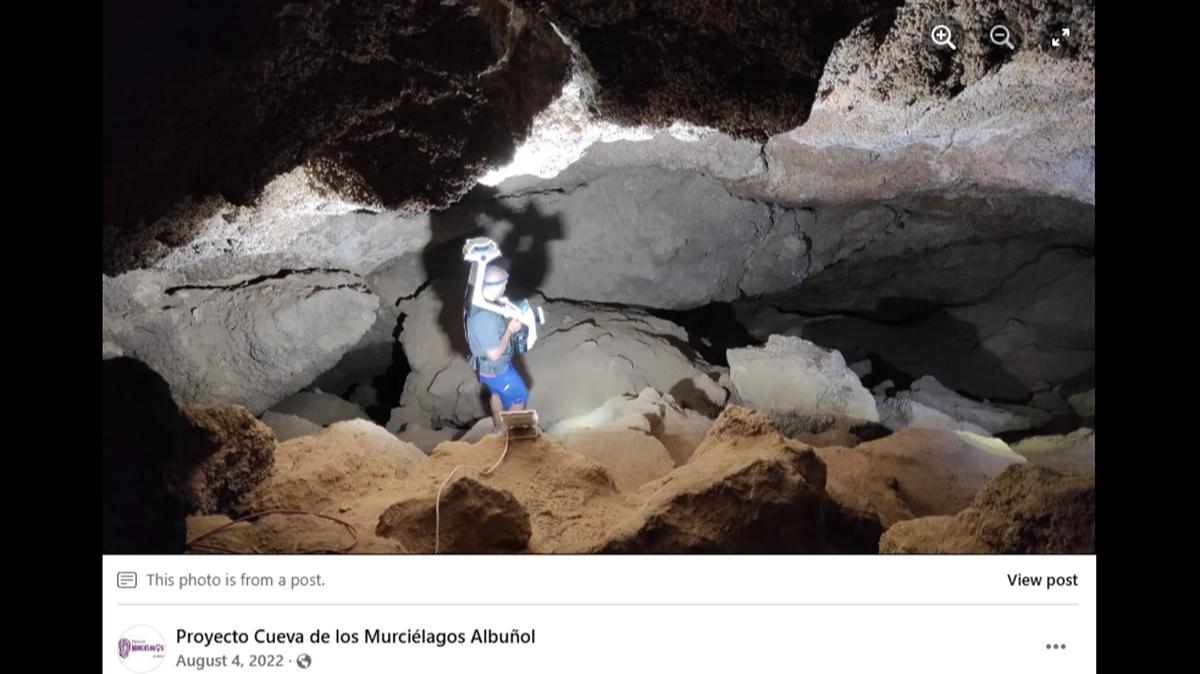
La Cueva de Los Murciélagos (The Bat Cave), in southern Spain, was first discovered by a farmer in 1831 who used the bat guano inside to fertilize his crops, and later housed his livestock inside the cleared cave, according to the Spanish National Archaeological Museum.
In 1857, a vein of galena, the primary ore of lead, was found in the cave and exploited by miners who removed large blocks of stone, the museum said. Behind the stones were partially mummified bodies and archaeological remains.
The cave has been at the center of ancient life in the region since then, with decades of research being conducted within the stone walls.
Now, archaeologists have analyzed a groundbreaking discovery from inside the Bat Cave and found what might be the oldest example of a “sophisticated,” sinew-based piece of weaponry.
The Proyecto Cueva de los Murciélagos Albuñol, or Albuñol Bat Cave Project, shared the findings Dec. 5 on Facebook.
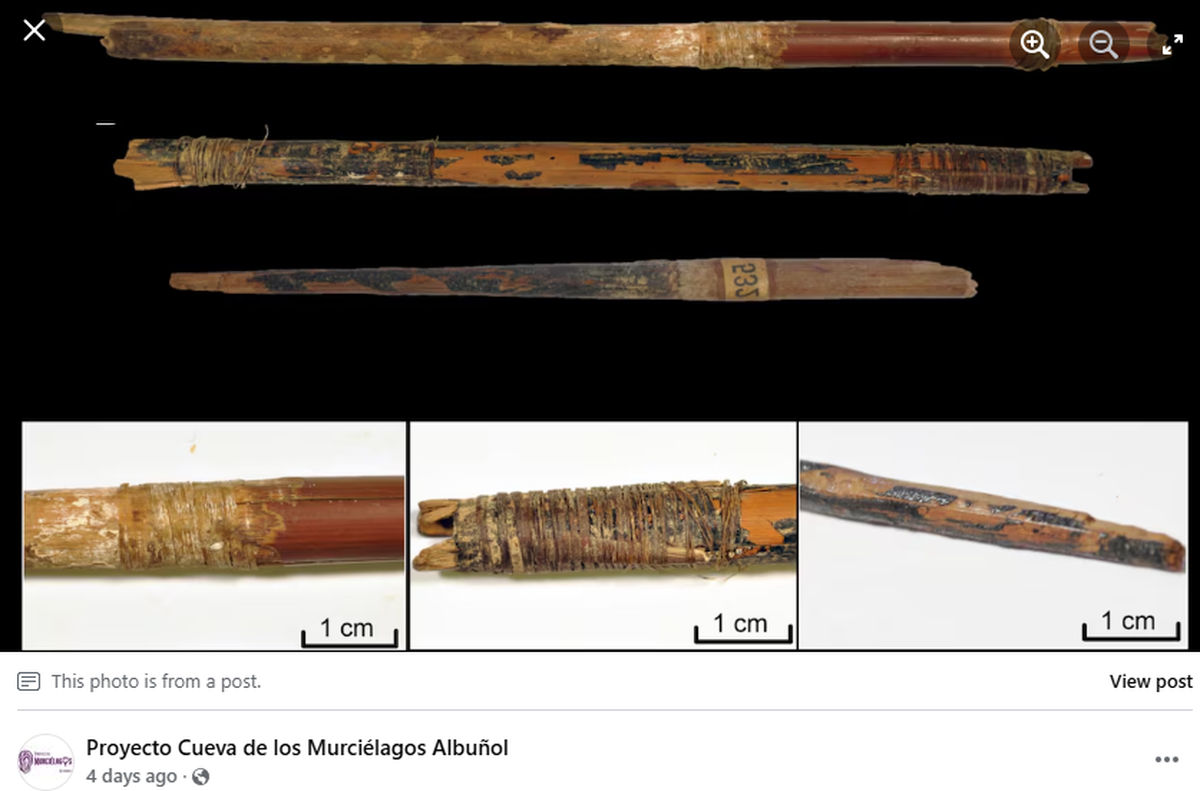
“A wealth of archery artifacts has been recovered from this cave, used as a burial cave during, at least, the Neolithic (period),” researchers said in a Dec. 5 study published in the peer-reviewed journal Scientific Reports. “Preserved through desiccation due to the dry conditions within the cave, the material includes shafts and arrows along with their associated organic components, including adhesive, feathers and fibers, as well as two potential bowstrings.”
The pieces were originally found during the 19th century as miners worked in the cave, researchers said, so it’s unclear exactly how they were left with the funerary objects.
The items were radiocarbon dated to the late sixth or early fifth millennium B.C., about 7,000 years ago, according to the study. This coincides with the early Neolithic period when occupants used the cave to bury their dead and put grave goods with the bodies.
One item, an arrow shaft, was dated to the Bronze Age, researchers said.
The bows used a variety of tree species, including willow, reed, olive and maple trees, according to the study.
But researchers were particularly interested in the bowstrings, a series of woven fibers that created the rope-like cord.
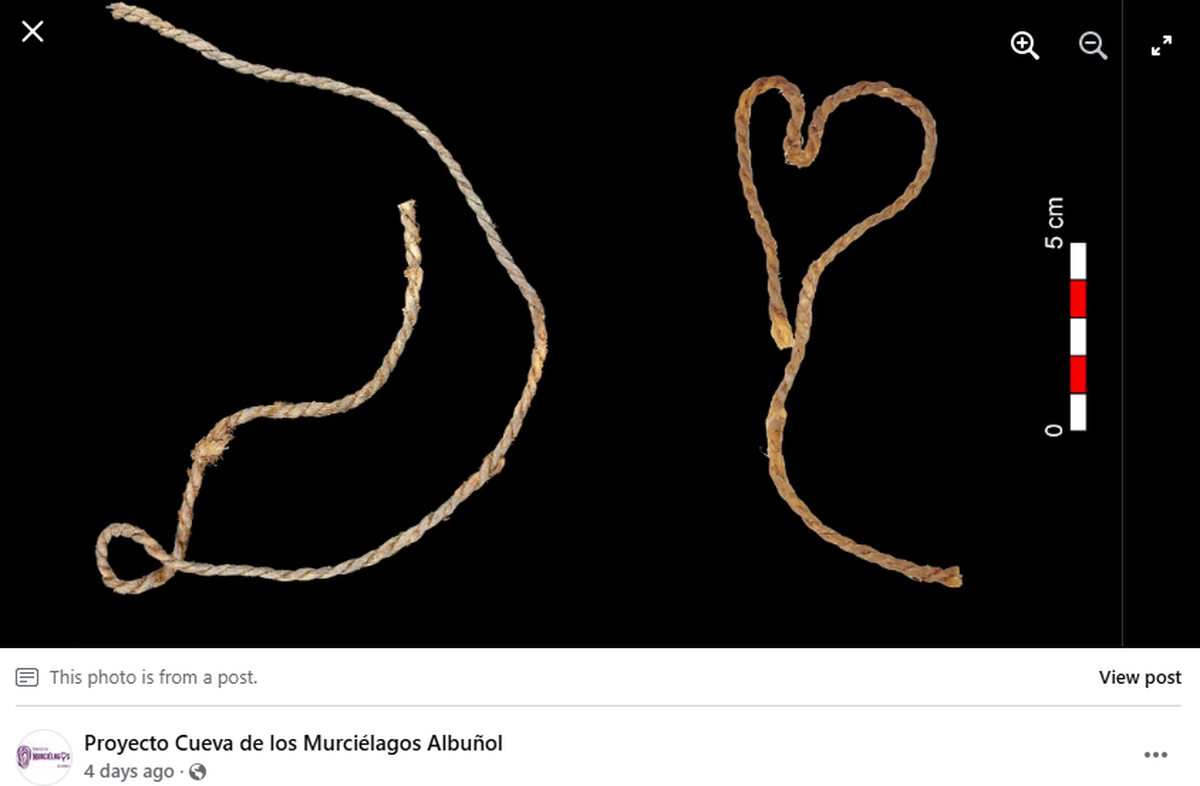
The cords are made predominantly from animal products, including the connective tissue of ligaments or tendons and sinew, according to the study.
Many of the cords had sinew from multiple species, researchers said, including species of Capra (goats), Sus (wild pigs), Caprinae (goats, sheep and antelopes) and Cervidae (deer).
“These archery remains demonstrate the technical skills and expertise of the early farming societies in southern Iberia. These communities applied their knowledge to the acquisition and transformation of various raw materials, requiring a deep understanding of organic material properties and the techniques necessary to convert them into useful products,” researchers said.
Ancient bowstrings have been found with other cultures, including in Italy, Switzerland and North America, researchers said. But, overall they are rare because they can easily break down over time like other organic material.
“The archery equipment is part of an exceptional set of grave goods found in this cave, including remains of clothing (whole or fragmented sandals, fragments of cloth), mats, wooden or fibre-based containers, remains of rope and a torch,” according to the study. “The deposit of at least two hunting or warfare weapons in a funerary context related to a farming society poses the question of the role of hunting and hunters, but also of violence in this society.”
La Cueva de Los Murciélagos is in Albuñol, Spain, on the country’s southern coast.
The research team includes Ingrid Bertin, María Martín-Seijo, Francisco Martínez-Sevilla, Krista McGrath, Jonathan Santana, Maria Herrero-Otal, Rafael M. Martínez Sánchez, Antoni Palomo, Martine Regert, Isabelle Théry and Raquel Piqué.