Ancient Roman home — and luxurious decorations — uncovered in France. See elite finds
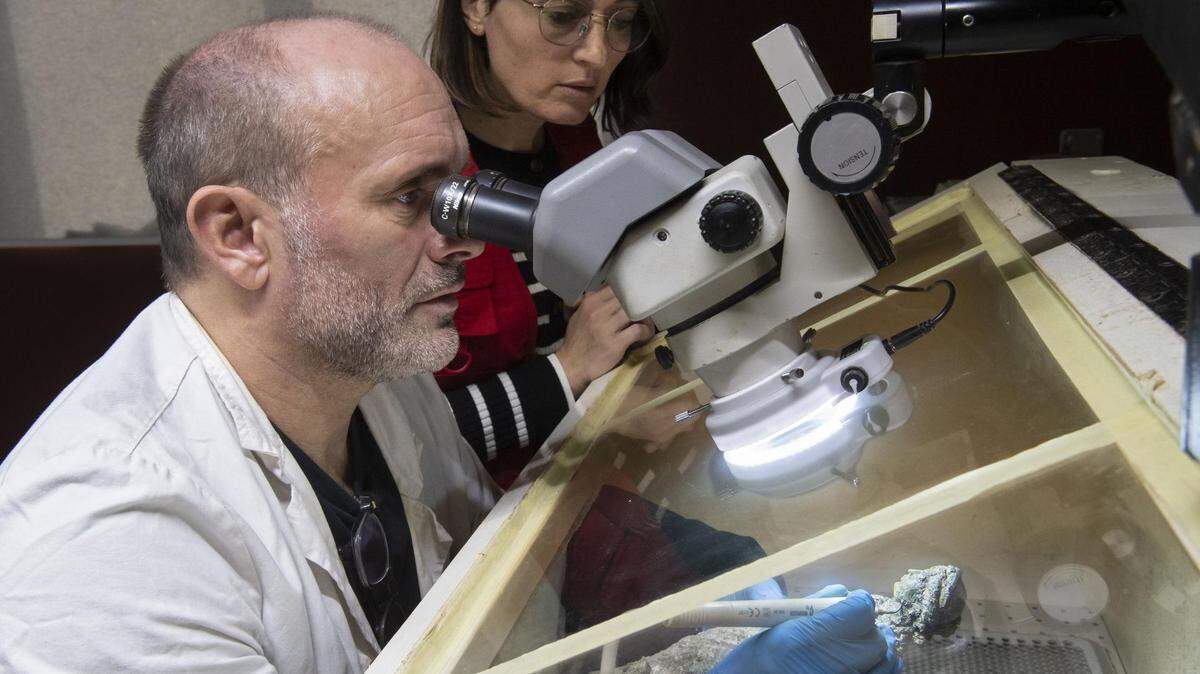
In the northern French city of Reims, the construction of a new house has brought an ancient home to the surface.
Archaeologists discovered a domus, or luxury urban house, dating to the second century during housing construction along the Rue de la Magdeleine, according to a Dec. 4 news release from the National Institute for Preventive Archaeological Research.
Once inhabited by the Gallic tribe of the Remi, Reims was conquered by the Romans and grew into an urban center.
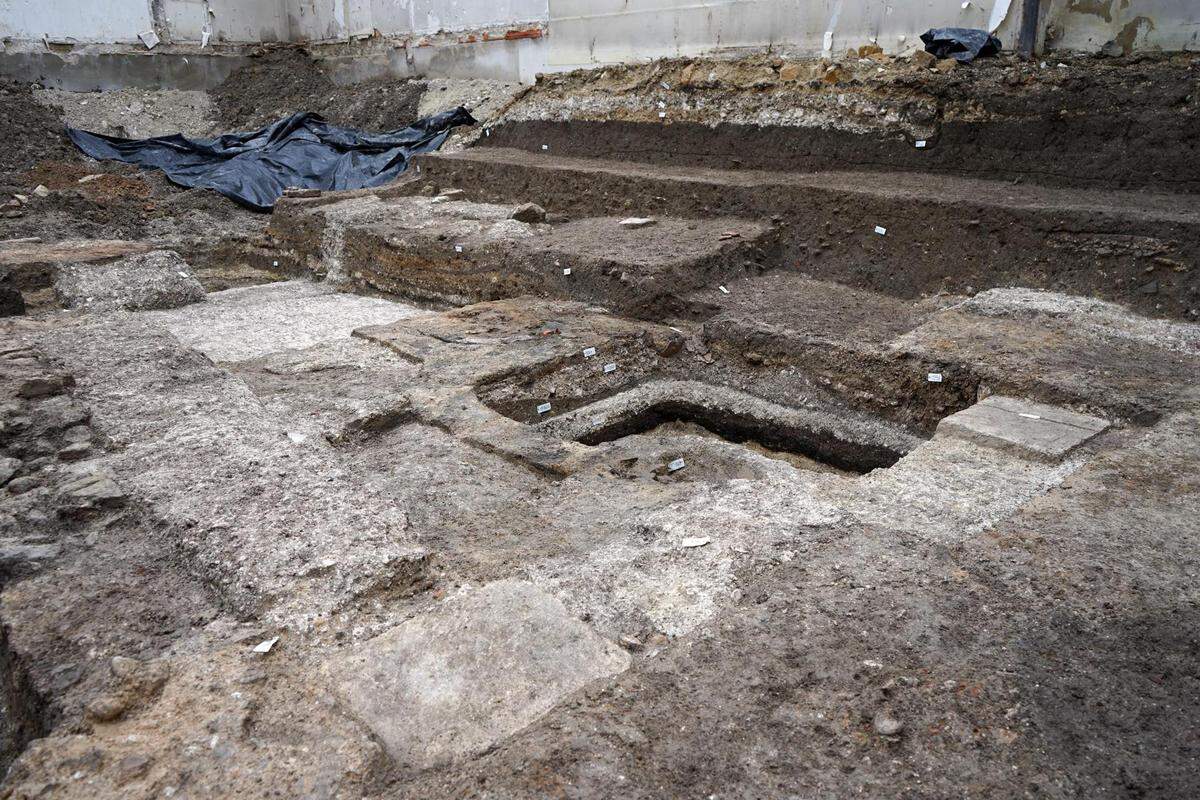
The city was developed in the classic Roman urban planning style, archaeologists said, in which residential blocks form a grid of perpendicular streets around a city center, designed as a political and religious forum.
In many cases, the outside districts are far less studied than the central areas, researchers said. The newly discovered dwelling, with a two-pillar facade facing the street, is two-thirds of a mile away from where the city center once stood.
But this wasn’t just any common Roman’s home. This home was occupied by the elite.
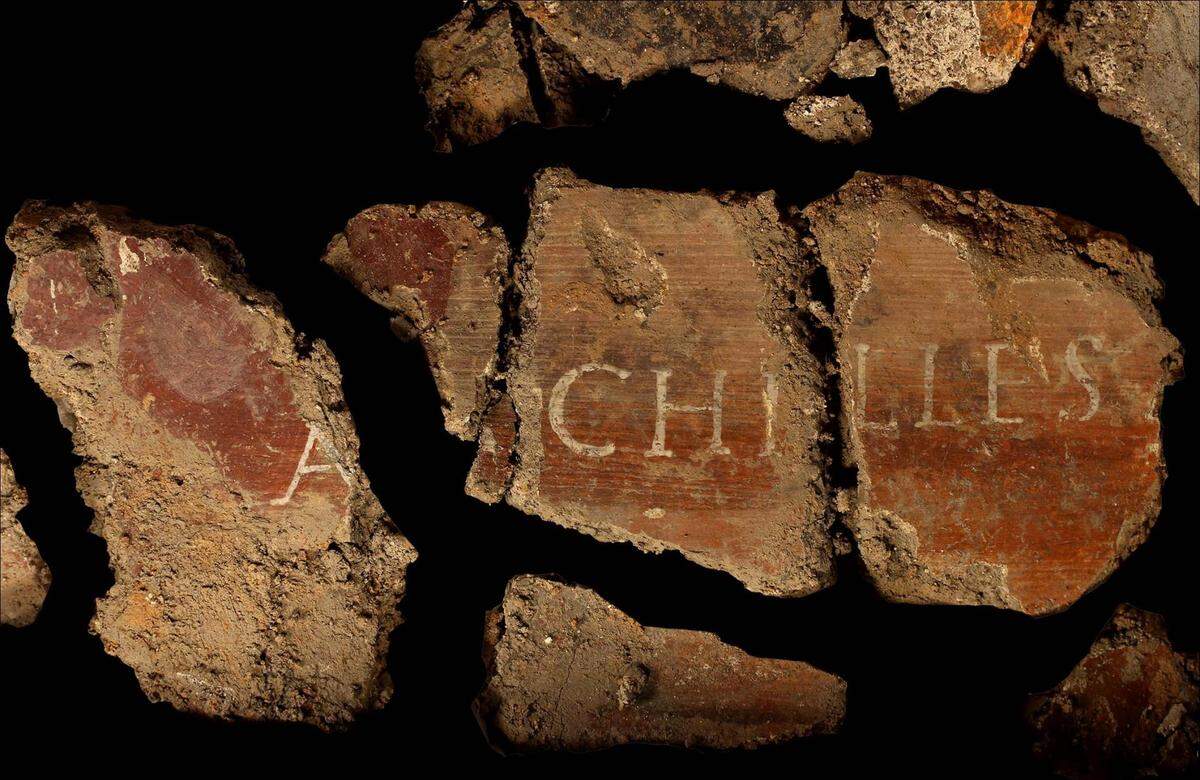
The inside of the house was buried under a destroyed layer that was likely caused by a fire, archaeologists said. In the mains, pieces of a megalography fresco were found. Megalography means the figures painted on the surface are represented in their real size, researchers said.
Two fresco pieces have the painted names Achilles and Deidamia, referencing the mythological scene of Achilles on Skyros, a coveted pre-Trojan War episode, archaeologists said.
This is the fourth depiction of this scene found in Roman settings, including ones in Aquileia, Pompeii and Rome, according to the release.
Other items found in the home, however, pointed to the social standing and financial prowess of the home’s owners, researchers said.
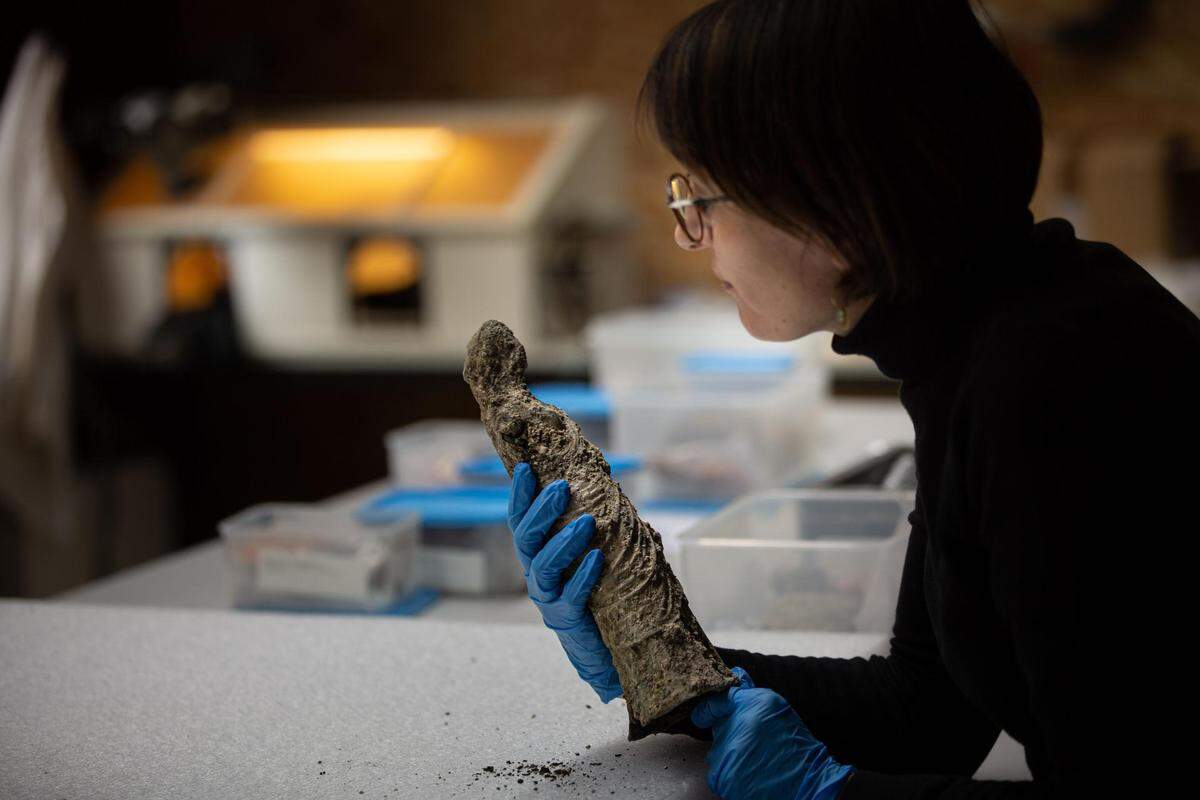
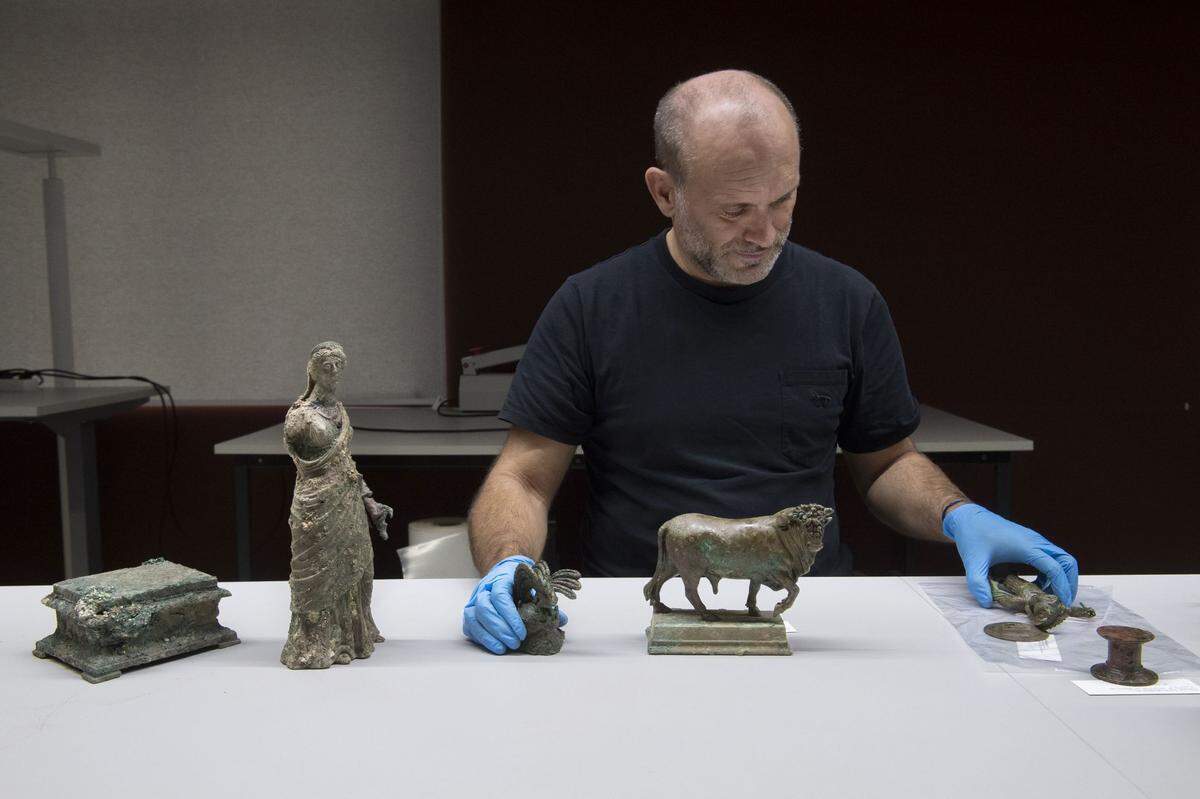
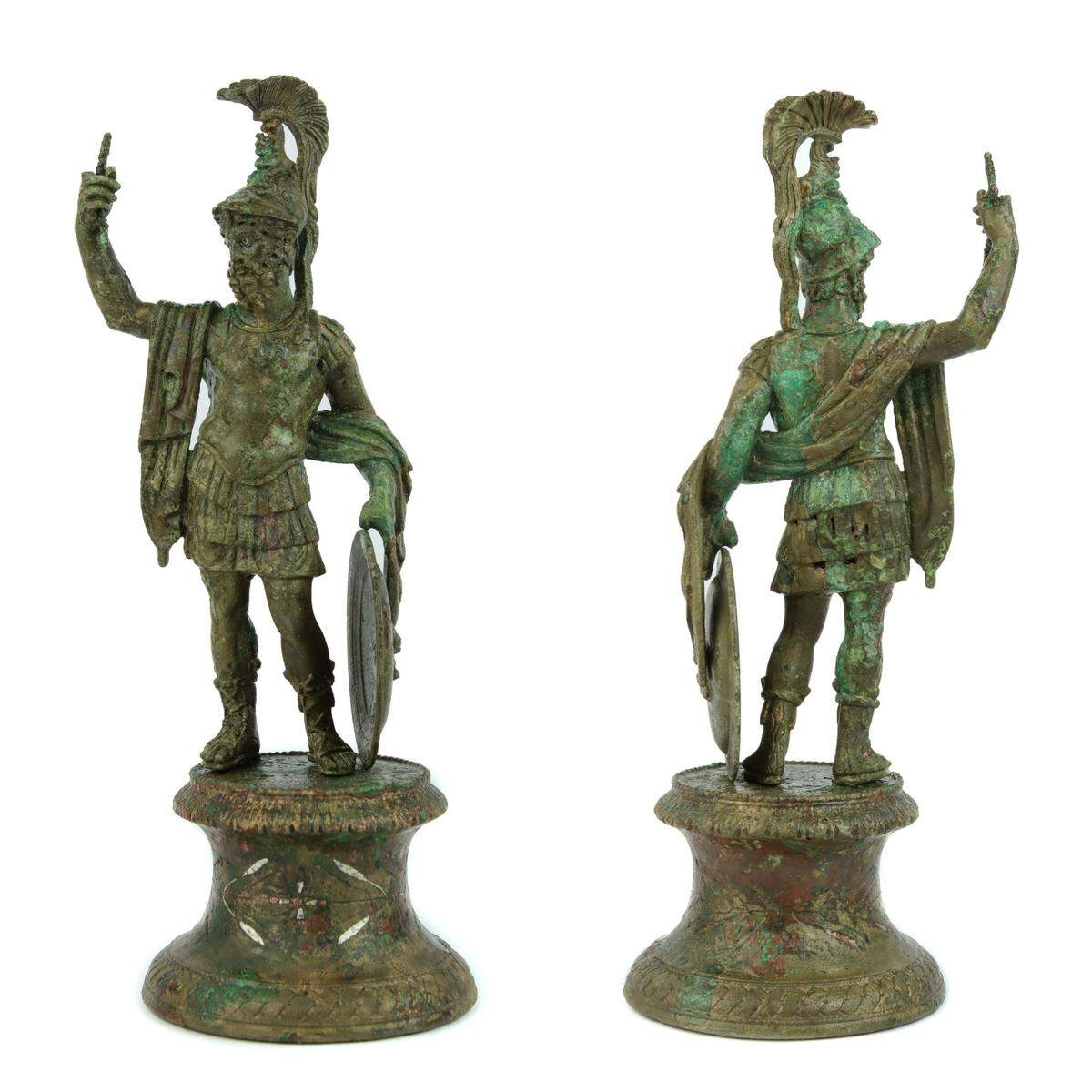
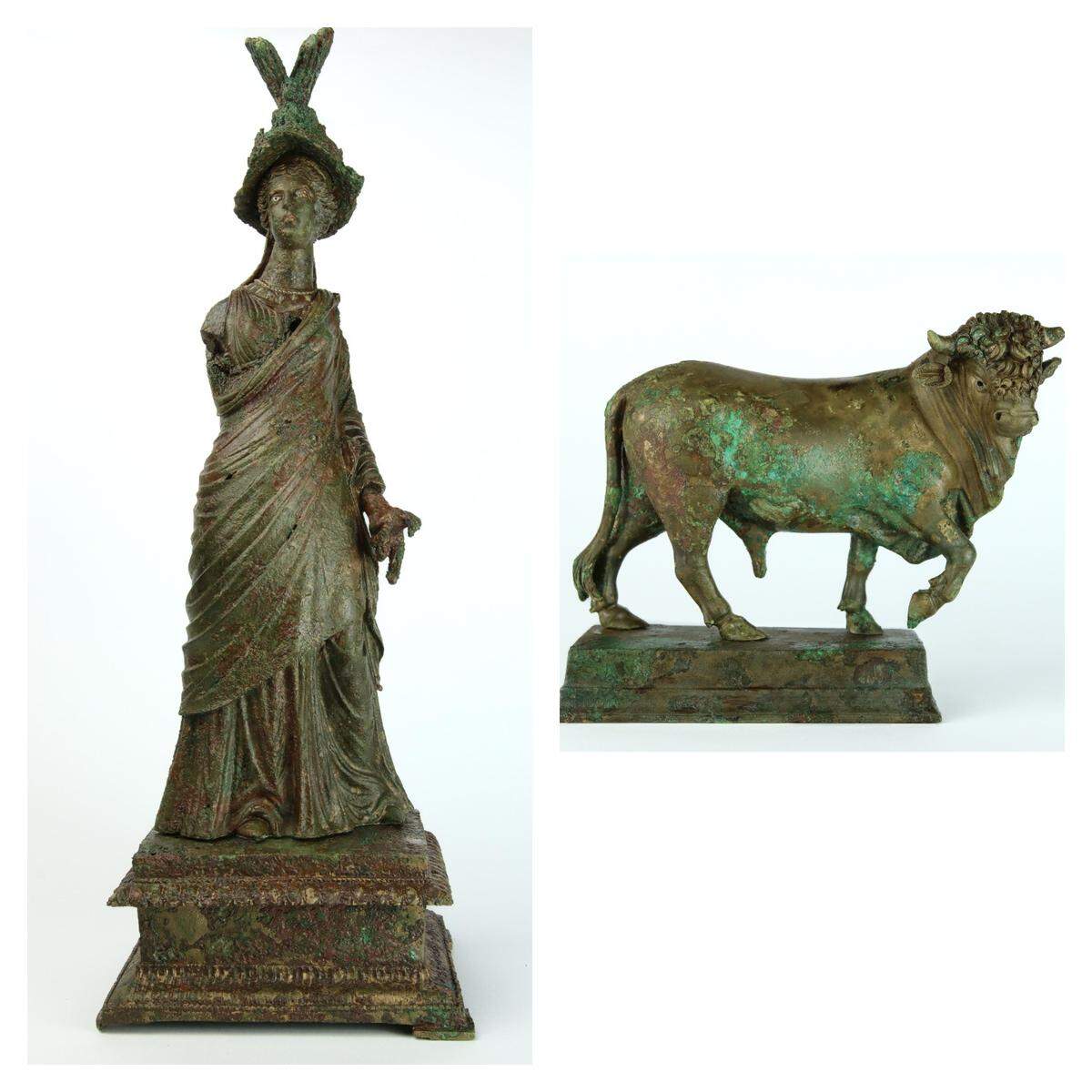
Three intricate bronze statues were unearthed from the remains. One depicts the god Mars, a second depicts an unidentified goddess and a third statue depicts a bull, according to archaeologists.
Researchers described the statues as luxurious and made with a deft touch, supporting the idea that they belonged in an elite member of society’s home.
The bronze Mars’ eyes are enhanced by silver, archaeologists said, and Mars is holding a shield with a depiction of the She-Wolf, Romulus and Remus.
Mars’ cuirass, or breastplate, was decorated with the head of Medusa, and the statue’s circular base has silver and copper floral decorations, researchers said.
The bull sits on a rectangular base and also has a bronze body and silver eyes. The variation of the silver eyes gives the bull an expressive gaze, officials said.
The woman clearly represents a goddess, archaeologists said, but her specific identification hasn’t been made.
She has a helmet with a relief representing a sphinx, a face and a crown, which may represent a city, researchers said, and spots on her back look like they might have once held wings. She holds the club of Hercules wrapped by a snake and the skin of the Nemean Lion. Officials say the odd aggregation of different representations has a mysterious meaning.
The statues’ quality reaffirms their value, though researchers said the location of the home, so far from the city center, does raise questions as to the wealthy homeowner’s status in the community and the function of their home.
Reims is in northeastern France, about a 90-mile drive northeast from Paris.
Google Translate was used to translate the news release from the National Institute for Preventive Archaeological Research.