2,000-year-old food — from ancient Roman trading post — discovered in Ireland. See it
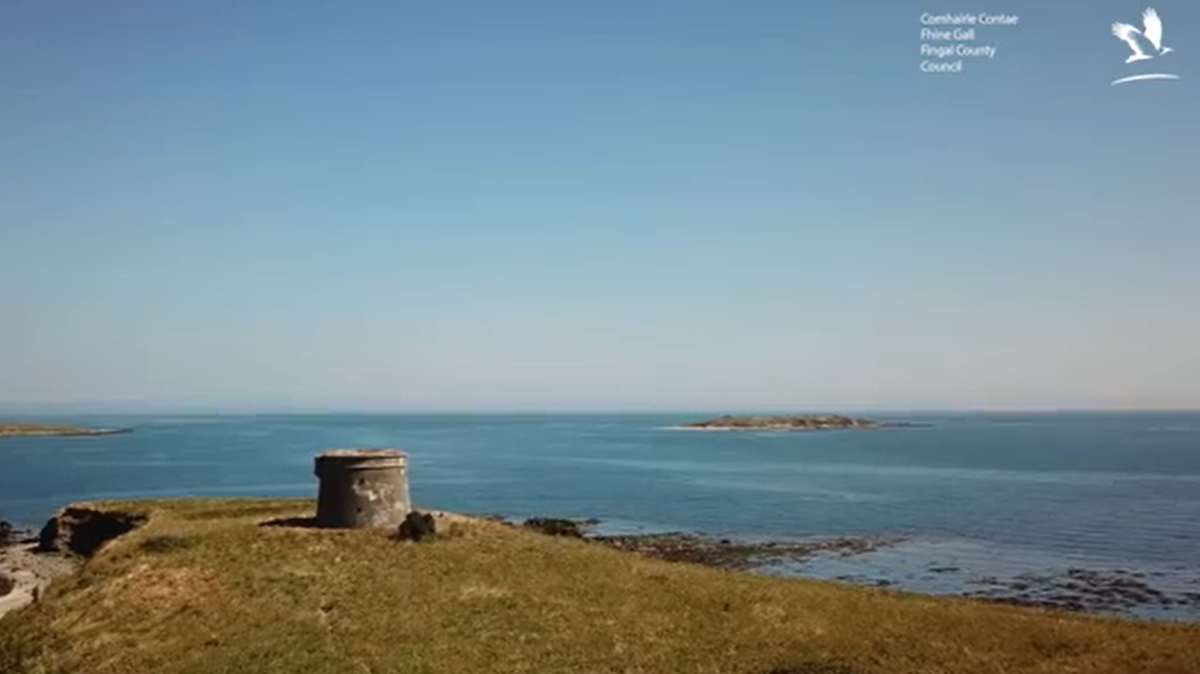
On the coast of the Irish Sea, the headland of Drumanagh once served as a trading post two millennia ago.
The Irish fort connected the island nation to England and northern Europe where the Roman Empire was spreading, but the cold sea kept Ireland safe from the Roman expansion.
Now, researchers excavating portions of the site found evidence that the Roman influence may have reached Ireland after all — through food.
Archaeologists discovered the charred remains of a fig dating back 2,000 years, according to a Nov. 14 news release from the University College Dublin.
The hunk of black material may not look like much, but experts identified the round food with seeds embedded in the hardened remains, according to the release.
It’s the first of its kind ever found in Ireland.
“Fig seeds dating back to as far back as the 13th century have been recovered from excavations of medieval Dublin, Cork and other towns,” Meriel McClatchie, director of an ancient foods research group at UCD, said. “An actual fruit has never been found in Ireland until now, but what is most important about the Drumanagh fig is its antiquity. It is without parallel in Ireland and is by far the oldest example of an exotic fruit found here.”
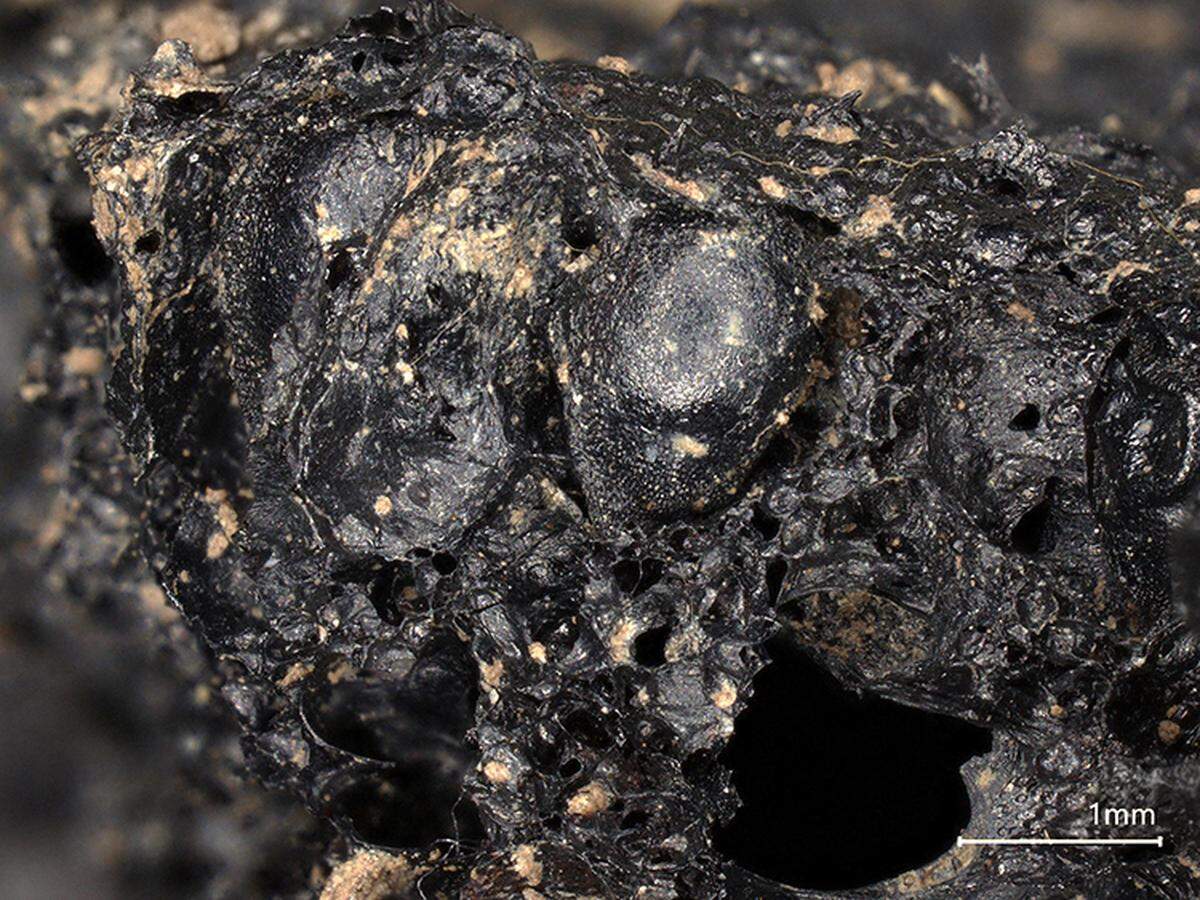
Figs originated in eastern Turkey and northern India before they were cultivated in warmer, Mediterranean climates, according to Britannica.
This includes the Romans, who traded food items like herbs and spices, nuts, grapes dates and figs, according to the university. Trade routes extending far north allowed these items to make their way to other parts of Europe, but “we did not know until now that they made it all the way to Ireland,” McClatchie said.
Drumanagh acted as a trading post between Ireland and the Roman Empire, according to the university, and past excavations have found other domestic imports.
“Finds of fig elsewhere in northern Europe are thought to reflect imports from southern Europe, and it is likely that this new Irish discovery traveled a similar distance,” McClatchie said. “It’s thrilling to imagine someone enjoying such an exotic food here in Ireland so long ago.”
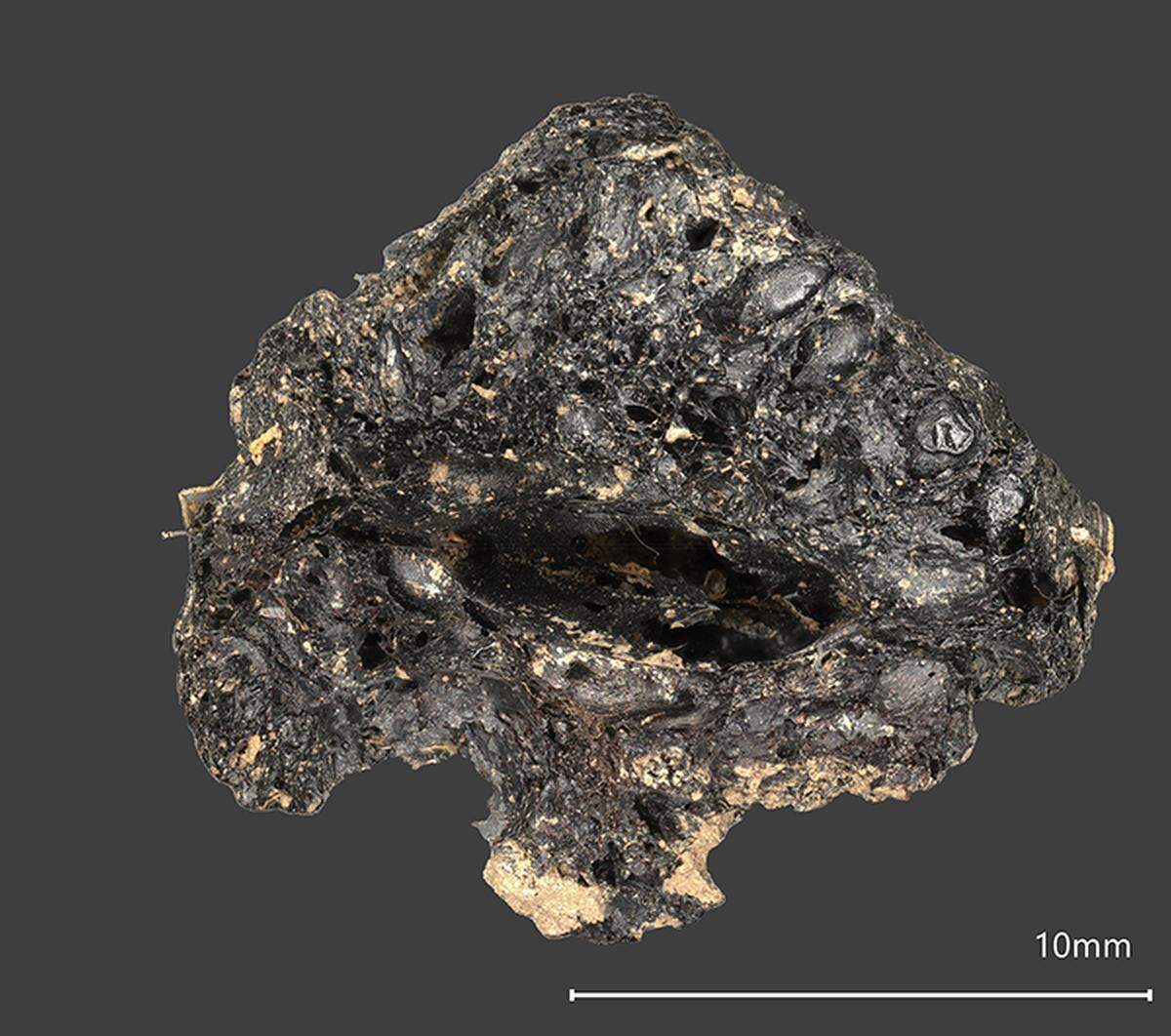
In previous archaeological seasons, researchers have found metal and ceramic pieces from Roman Spain, the Gauls of France and Britain, the university said.
They have also found other food items, which were well-preserved because they had been burned, researchers said.
“Our excavations have revealed more of the story of those living and working at Drumanagh,” site leader Christine Baker said. “We now know there was an importation, not just of goods but of lifestyle. By these windswept cliffs people were consuming spelt bread, olive oil and figs, drinking from glass vessels and fine ceramic cups while wearing brooches and glass beads. The evidence so far points to a connection with Chester/Wirral area of Roman Britain during the first 200 years of the Roman conquest.”
The Drumanagh site was first settled in the Iron Age before later becoming a trading post, researchers said.
The site is on the eastern coast of Ireland near the town of Loughshinny, about a 20-mile drive north from Dublin.