Long-legged spiny creature discovered along trail in Ecuador forest. See new species
Some members of the animal kingdom are masters of disguise.
Octopuses can change their coloration to blend in with coral reefs. Frogs have speckled and bumpy backs to become indistinguishable from the rocky and mossy ground they call home.
Some animals, however, take the art of camouflage to a higher level.
Stick insects earn their name from the uncanny resemblance to twigs and branches, allowing them to remain undetected in bushes and foliage.
Researchers, however, can have a keen eye and spot the animals even tucked in their hiding place. In the forests of Ecuador, a new species of stick insect has been discovered along trails near a forest lodge, according to a study published Nov. 12 in the peer-reviewed journal ZooKeys.
Trychopeplus mashpiensis was named after the Mashpi Reserve where it was found “in appreciation for the excellent treatment received from the lodge staff and the scientific team,” researchers said.
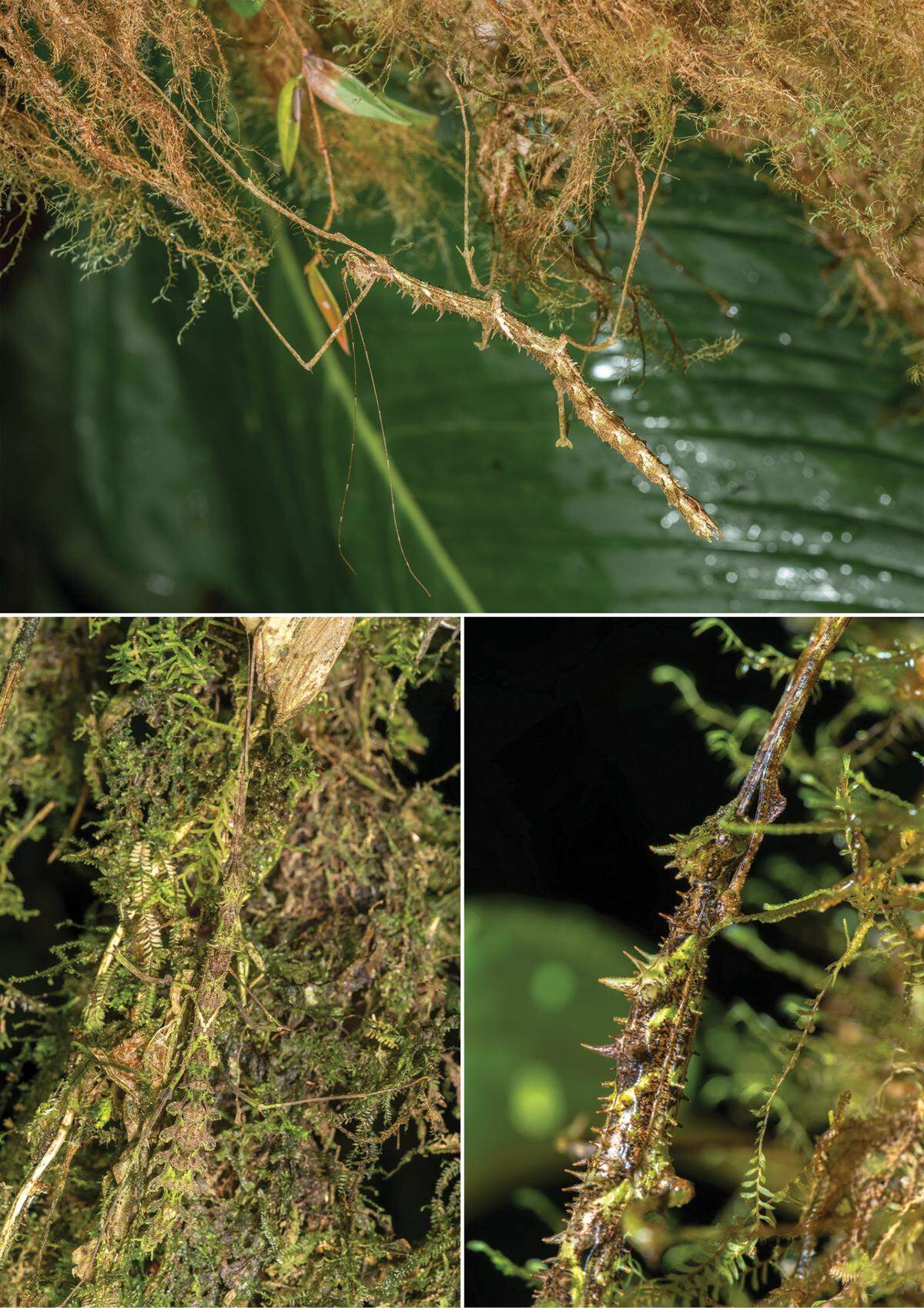
The species is “medium size” compared with other stick insects, about 3 inches long, and is covered in varying sizes of spines, according to the study.
“Its overall body and limb coloration range from medium to dark brown and olive green, with an irregular pattern occasionally speckled with small white or cream marks,” researchers said. “Lime green eyes exhibit irregular dark brown lines.”
The legs of the insect are “long and slender,” and the femora are “strongly curved,” according to the study.
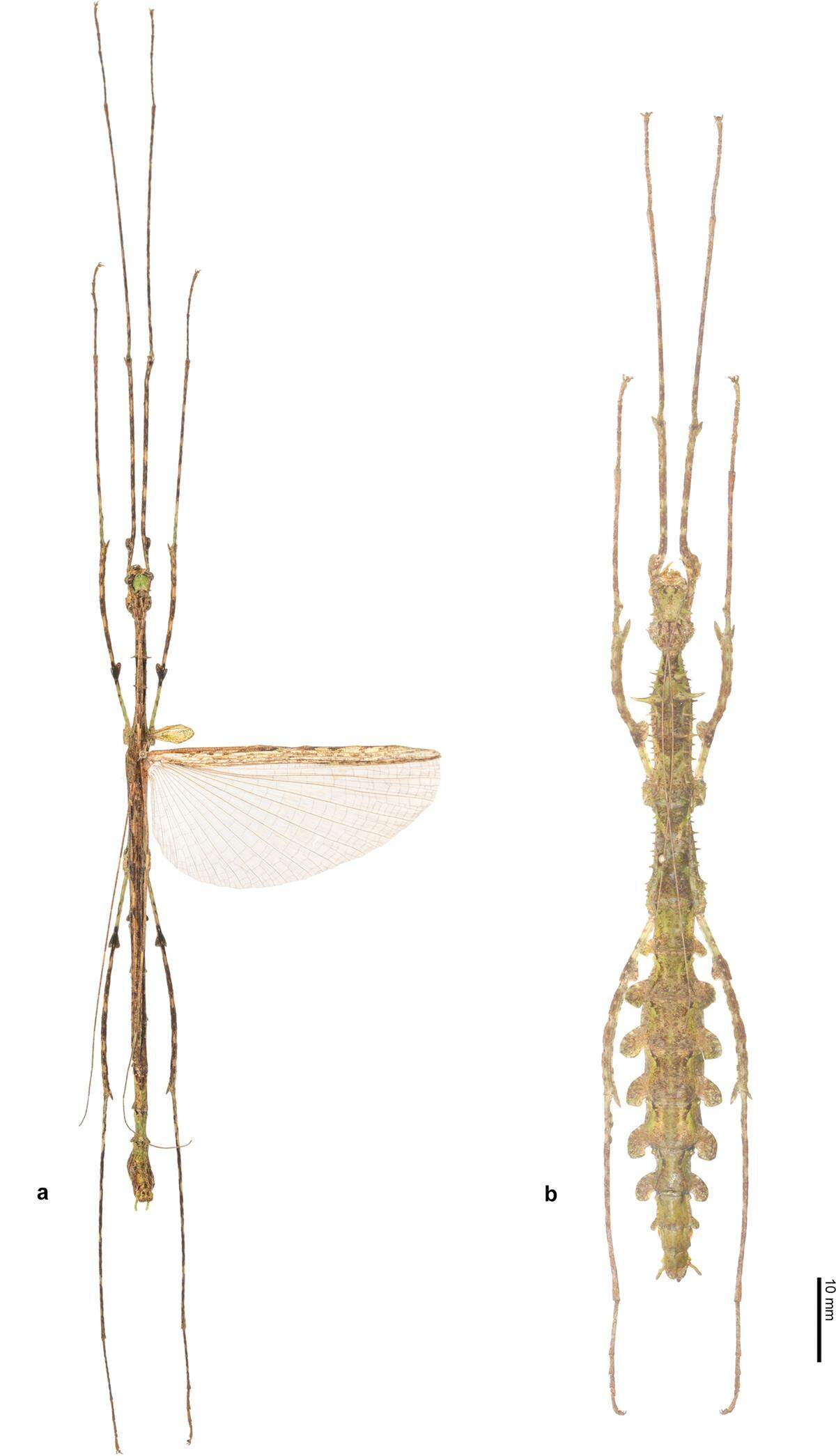
The stick insect’s “ornamentation,” or spines, set it apart from other known species, as well as their eggs.
Females of the species were held in terrariums after collection as researchers waited for them to lay eggs, according to the study.
Other related stick insects have egg capsules “densely covered with long, hair-like yellowish fringes,” but the new species’ eggs are smooth, researchers said.
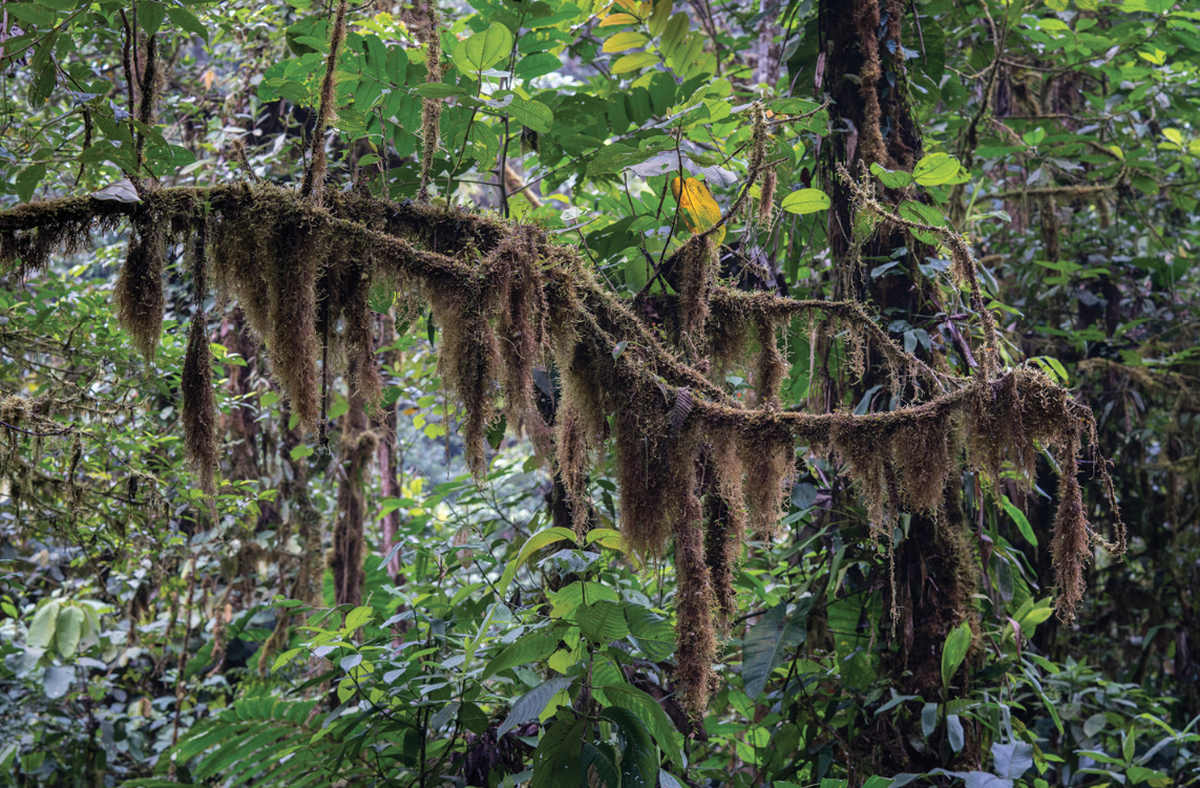
“All specimens, both nymphs (young) and adults, were found at night in montane humid forests, at a height of (5 to 13 feet) on trees with abundant epiphytic mosses,” according to the study.
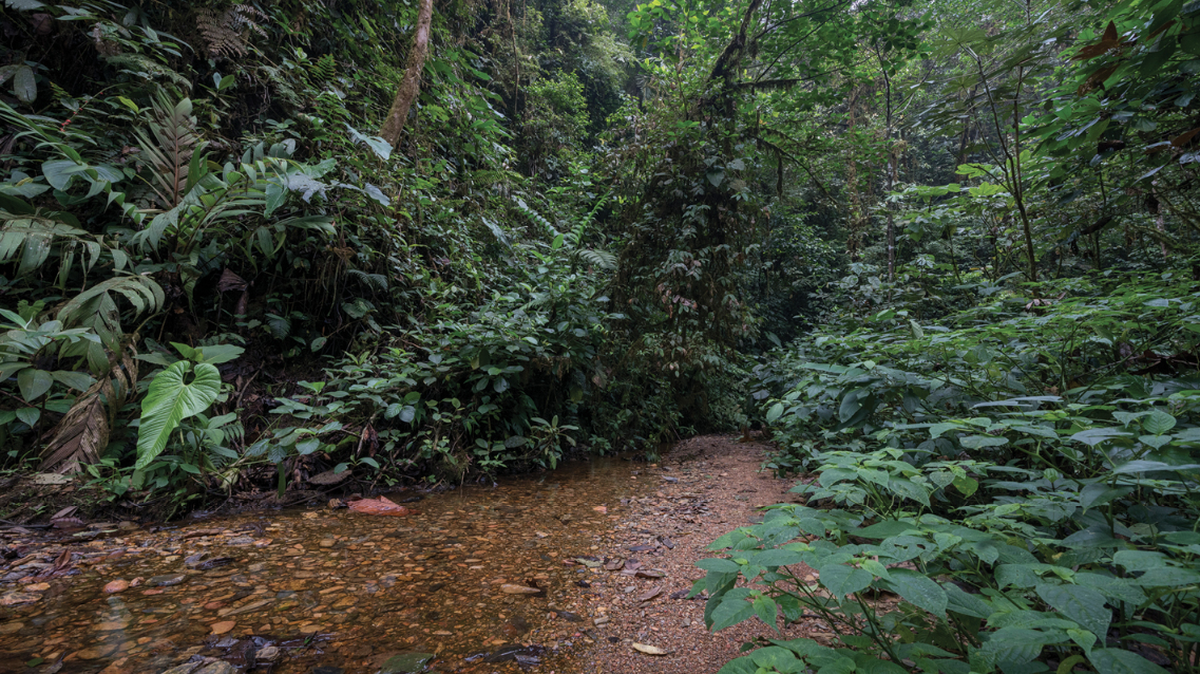
The new species has been found exclusively in the Mashpi Reserve, situated in the northwestern Andes of Ecuador.
The research team includes Oskar V. Conle, Pablo Valero and Frank H. Hennemann.