Schoolchildren check satellite images for island in Russia — then find it’s missing
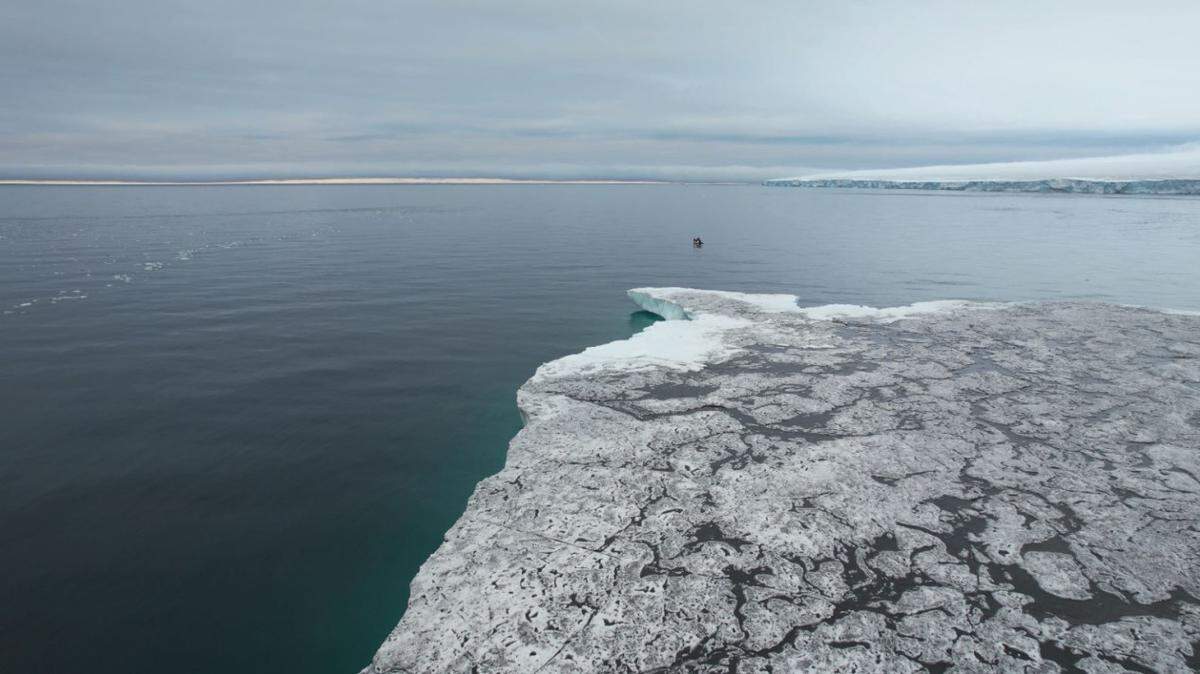
The topography of the world is ever changing.
As rivers cut through mountains and seas batter shorelines, the shapes and landmarks that create the geography of the planet succumb to the elements over time.
Nowhere is this more true than the icy land surrounding the Arctic Ocean, including the northern coast of Russia.
Hoping to map and study the changing shoreline, researchers from the Lomonosov Moscow State University Marine Research Center began to monitor the landforms using satellite imagery, according to an Oct. 31 news release from the Russian Geographical Society.
They enlisted the help of schoolchildren and students, through a program called RISKSAT, to look at images taken years and months apart, and their observations can be used to update navigational charts and maps, according to the society.
Then, the students reported a shocking discovery — one island had completely disappeared.
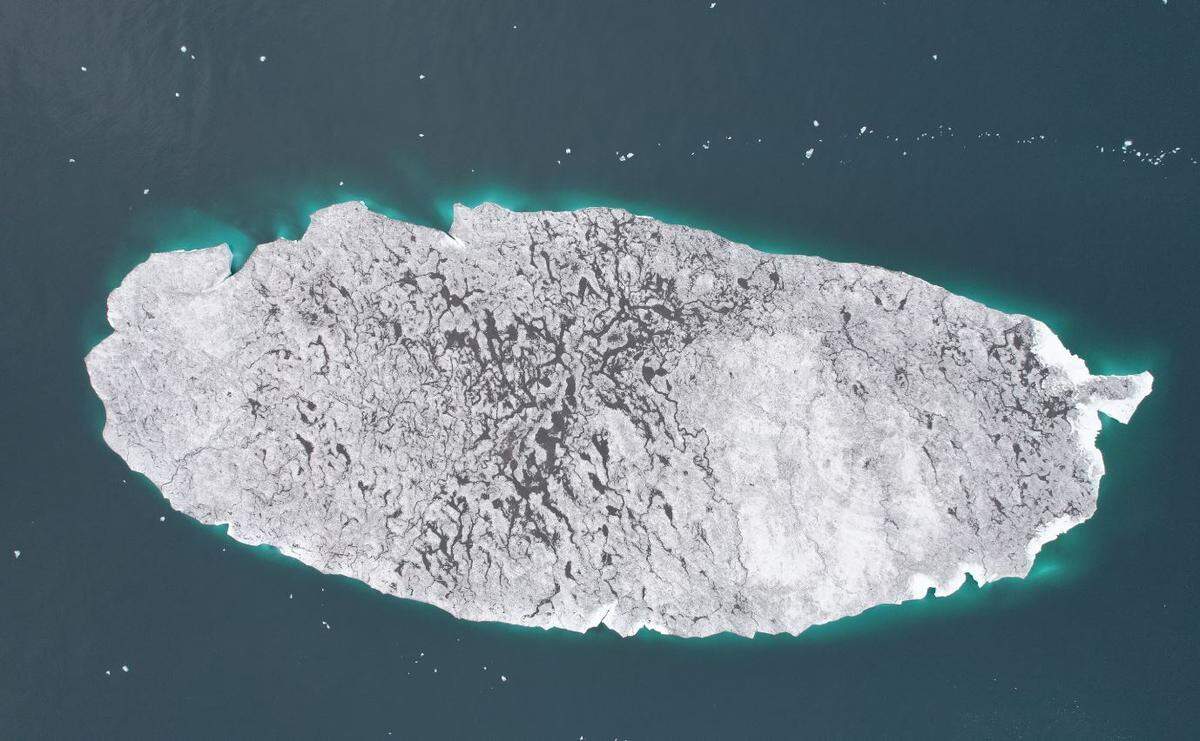
Mesyatsev Island was formed from Mesyatsev Cape around 1995 as water from a nearby glacier flowed toward the Arctic Ocean, researchers said. Explorers with the Arctic Archipelagoes project and Russian Arctic National Park confirmed its formation in 2018 and 2021, respectively.
The island was monitored by satellite beginning in 2019, project lead and associate professor Alexey Anatolyevich said in 2022, as kids studied the various elements of ecology, including conservation and emergency management. Previously, students found melting glaciers, walrus rookeries, unauthorized dumps and the fallout from oil spills in the Black Sea, Anatolyevich said.
Starting in the summer of 2021, the island began to darken in color, and researchers called the phenomenon a geological detective story as they worked to determine a cause, according to the geographical society.
Researchers suggested the coloration may be caused by bedrock rising to the surface, indicating a solid foundation that would keep the island’s shape and size.
They were wrong.
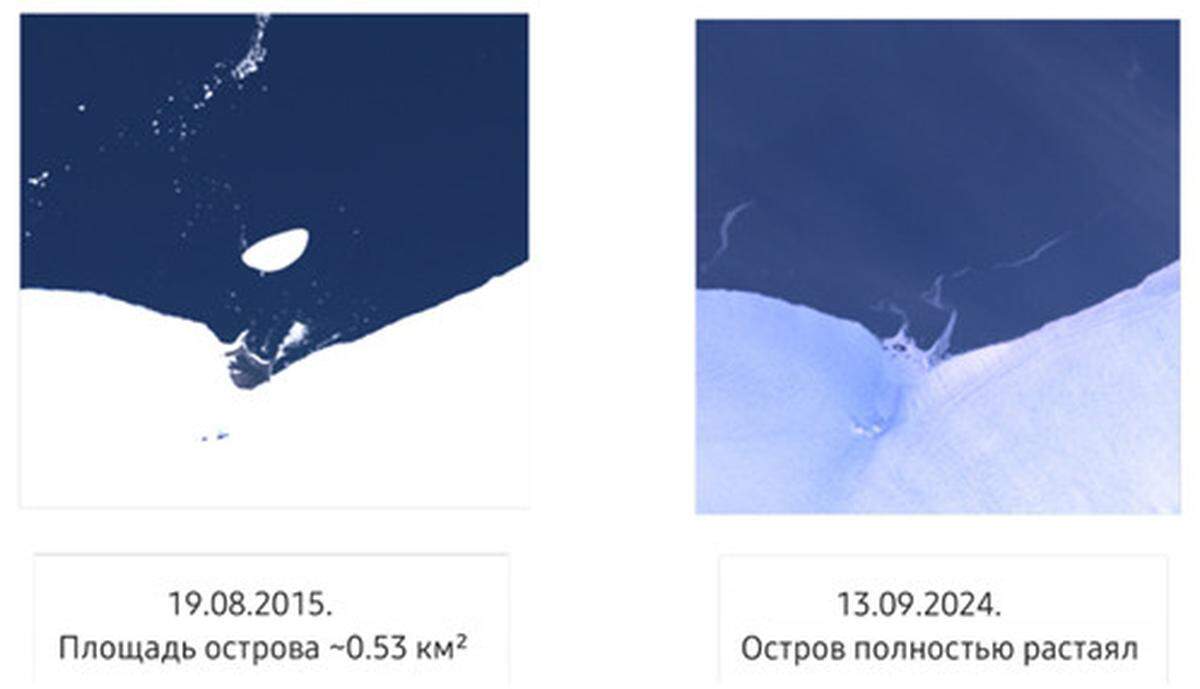
Measurements of the island were calculated from satellite images in August 2015, showing Mesyatsev Island had an area of about 130 acres, the geographical society said.
Less than a decade later, in August of this year, the island was just 7.5 acres.
When students checked the satellite images again in September, the island was completely submerged.
Since 1993, the global average sea level rise has been just shy of 4 inches as of 2023, according to the National Oceanic and Atmospheric Administration. That is nearly half of the total amount of sea level rise since 1880 which sits between 8 and 9 inches.
For the low-lying Mesyatsev Island, the sea level rise in the Arctic region is caused by melting ice and glaciers and leads to coastal erosion, according to the geographical society. As the water washes away the island’s coastline and rises above its elevation, the island is swallowed back into the northern ocean.
Researchers said studies on the ground will be needed to confirm the findings in the satellite images, and there may be additional changes to the seabed that contributed to the island’s disappearance.
Alarming climate change trends are continuing, so the geographical society said discoveries like the disappearing island are necessary to update navigational charts and shipping traffic routes through the Franz Josef Archipelago region.
The archipelago sits in the Arctic Ocean, north from western Russia.
Google Translate was used to translate the news releases from the Russian GeographicalSociety.