Ocean creature — with ‘strawberry’ limbs — is a new species in Australia. See it
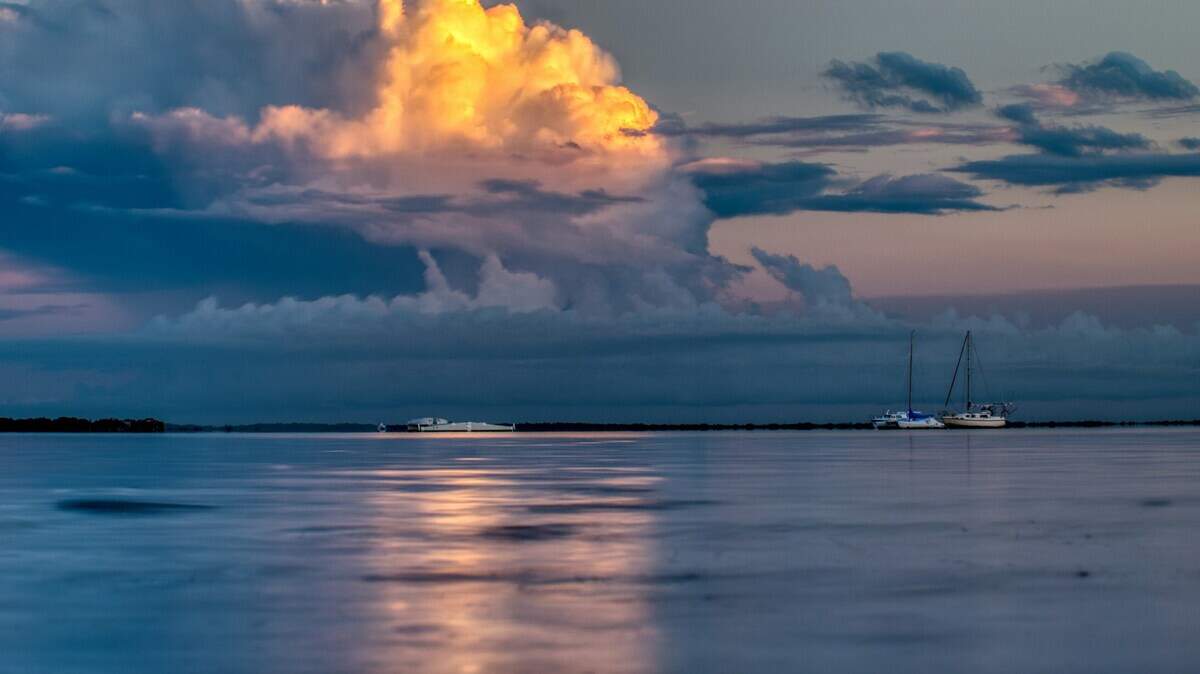
When anglers dropped trawling nets into the Pacific Ocean several miles off the east coast of Australia, they were expecting fish to be lifted back to the surface.
Instead, they found a shelled animal covered in red dots down its claws and legs.
The sea creature was brought to the Queensland Museum for a closer look, where researchers discovered it was a species of hermit crab that had never been discovered before.
“We knew straight away this was a special hermit crab, and quickly gave it the nickname ‘Strawberry claws,’” Marissa McNamara, the museum collection manager, said in a Nov. 8 news release.
The crab’s “crimson” claws earned its name Strigopagurus fragarchela from the Latin form of strawberry, “Fragaria,” and “chela,” Latin for claw, researchers said, or the Strawberry-clawed hermit.
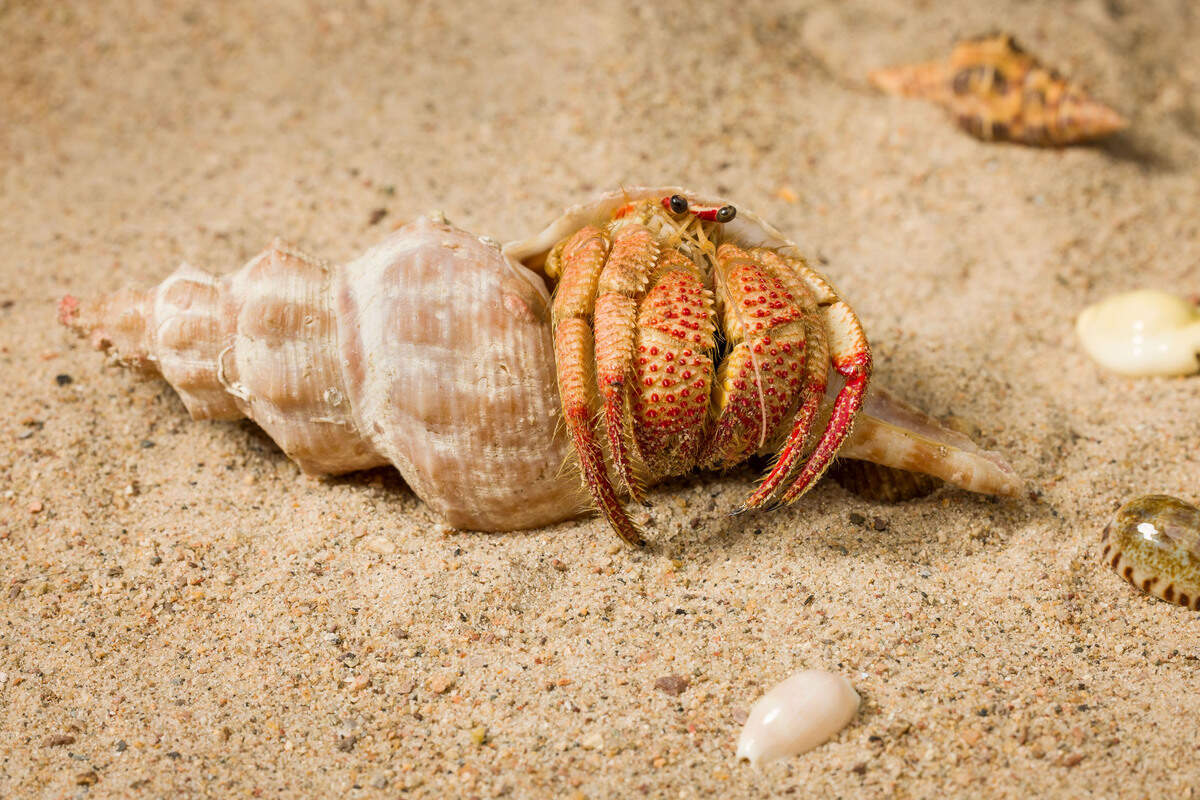
The red coloration makes the new species stand out from other related crabs, researchers said, but they also have a unique talent.
Much like cicadas on land, the crabs are able to flex their joints and rub the bumps on their legs together to create noise in a behavior called stridulation, according to a study describing the new species published Nov. 4 in the peer-reviewed journal Memoirs of the Queensland Museum.
A previous study of the crab genus “proposed that the (kilohertz) frequency and sound intensity produced by stridulation in the defending hermit may act as a form of sonic annoyance, irritating the attacker until it desists aggressive behavior,” according to the study.
Other than this behavior, not much is known about the crab’s natural history, researchers said. The strawberry-clawed hermits have only ever been caught in trawling nets, so there is still more to learn about their living environment.
The crabs were caught in relatively deep water, researchers said, ranging from about 400 to 850 feet deep.
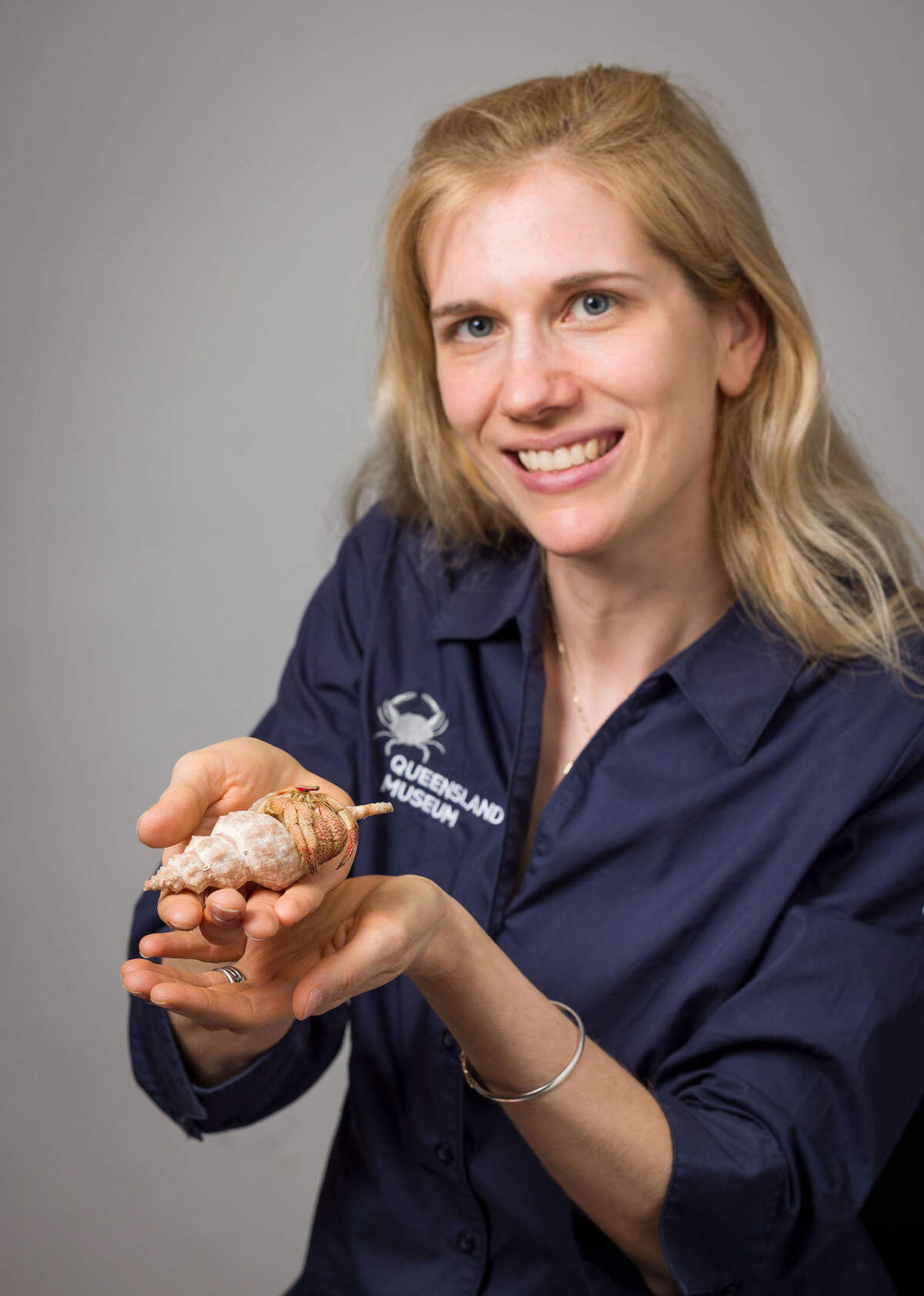
“The identification of Strigopagurus fragarchela is an exciting addition to the genus, for which Australia appears to be the stronghold,” McNamara said. “We now have four endemic species, two of which are only found in Queensland.”
Hermit crabs use the empty shells of snails or hollow objects as shelter and a way to contain part of their bodies that don’t have a hard outer shell, according to Britannica. Because the most ideal shells can be hard to find, hermit crabs will compete for shells with the best condition and fit.
The first crab was caught off the coast of Cape Moreton near Brisbane, Queensland, on the eastern coast of Australia.
The research team included McNamara and Peter J.F. Davie.