Mysteriously-shaped 50-foot buoy appears off coast of western Australia. What is it?
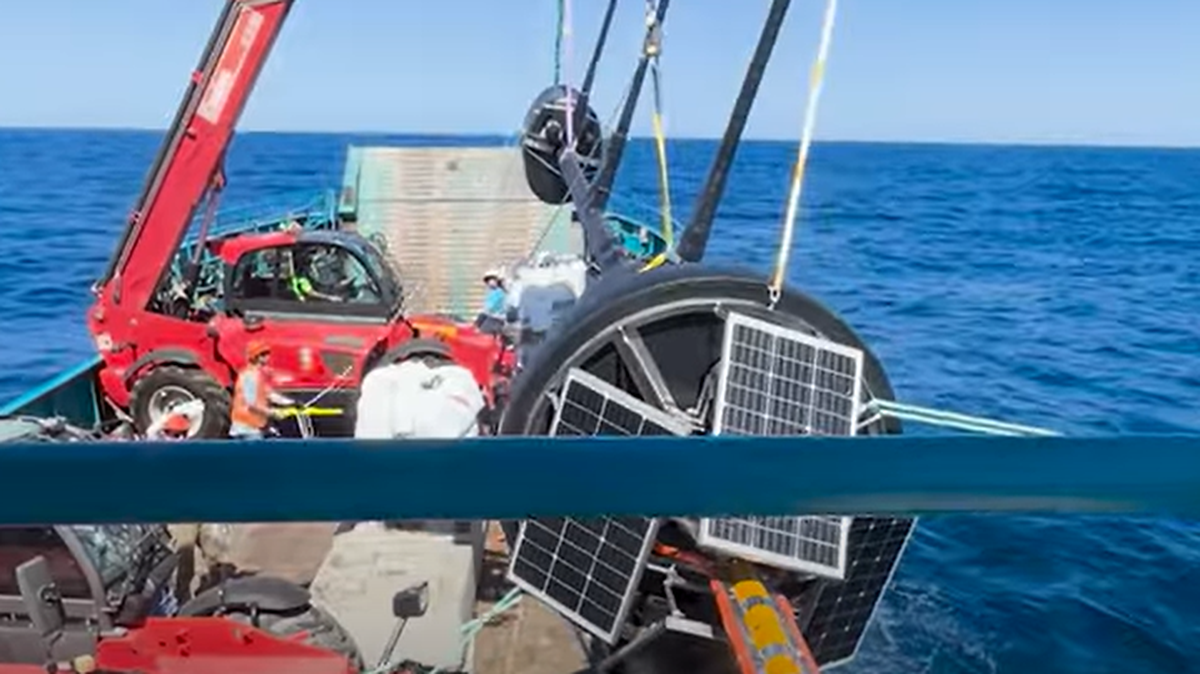
Some ocean buoys are used to mark channels in busy ship crossings. Others float on the water to mark the location of a crab trap or oyster bed.
But off the coast of western Australia, one buoy has a different function — to work with satellites.
A collaborative project among NASA, the University of Miami, San José State University, Curtin University and the Australian National Institute of Standards and Technology launched the massive buoy off the coast of Perth, according to a Nov. 4 news release from Curtin University.
It doesn’t look like any buoy you may have seen before.
Nearly 50 feet tall, the buoy is armed with solar panels, ocean sensors and communications systems atop what looks like a black inner tube, researchers said.
The buoy was launched in September around Rottnest Island, David Antoine from Curtin University said in a Nov. 4 video posted on YouTube, and it was dropped into the ocean in two parts.
First, a large mooring was dropped into the sea to act as an anchor point for the buoy, then the buoy was dropped in and attached to the mooring to maintain a consistent position while floating on the surface, Antoine said.
The buoy is an optical system called MarONet (Marine Optical Network), and its role is to verify data on phytoplankton and sea algae that is being collected by satellites orbiting the Earth, according to the university.
The process involved “ground-truthing,” the university said, or comparing data collected from the buoy to data collected by NASA’s PACE satellite (Plankton, Aerosol, Cloud, Ocean Ecosystem).
“Sensors on the buoy capture and analyze colors within sunlight reflected from the ocean to measure algae levels. This data is sent to shore via the mobile network, where it then helps fine-tune the satellite sensors for more accurate ocean monitoring,” Antoine said. “... By measuring the color of the ocean with both satellites and sea-based sensors, we can study the enormous impact phytoplankton have on our climate and potential of this tiny plant to help combat climate change.”
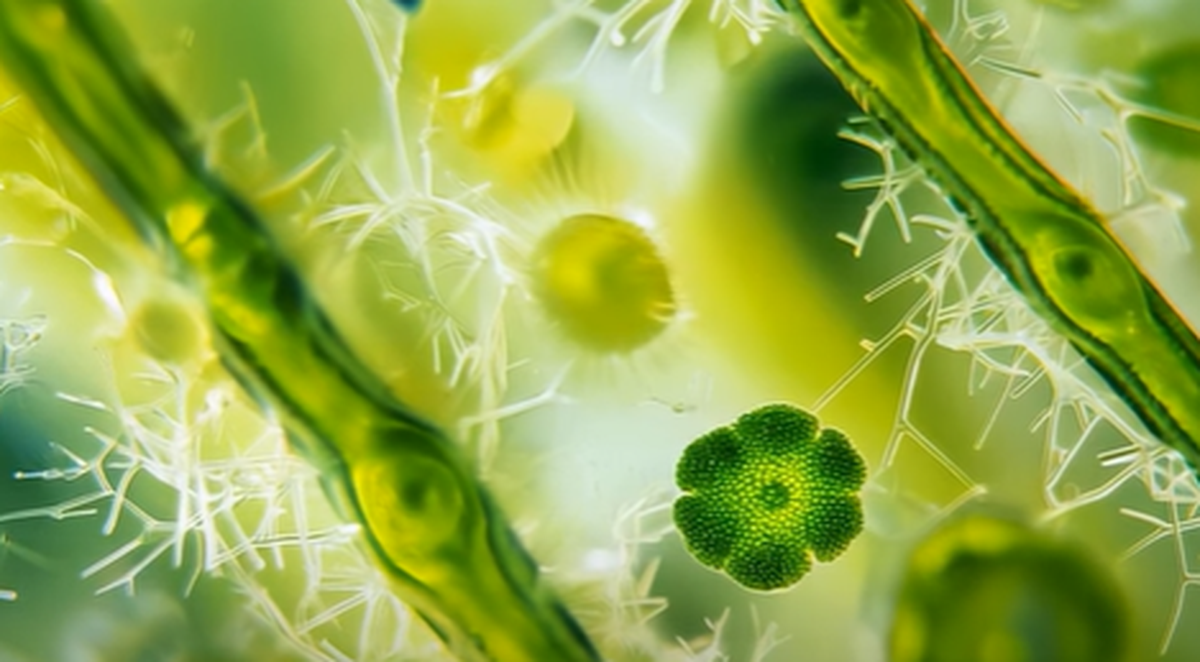
Phytoplankton are microscopic organisms that live in the ocean, often giving it a blue-green color, according to the university.
Phytoplankton contain chlorophyll, like land plants, which absorbs blue light that can be measured from space, researchers said. Not only is it a major source of food for various marine life, but phytoplankton “collectively produce more than half of the world’s oxygen and absorb almost as much carbon dioxide as all the trees and land plants on Earth,” Antoine said.
Because the area around Rottnest Island is relatively stable throughout the year and there is a clear atmosphere, it makes it the ideal location for calibrating the satellites, according to the university.
Rottnest Island is about 20 miles off the coast of Perth, in southwestern Australia.