‘Headspin hole’ develops on man’s skull after years of break dancing, Denmark doctors say
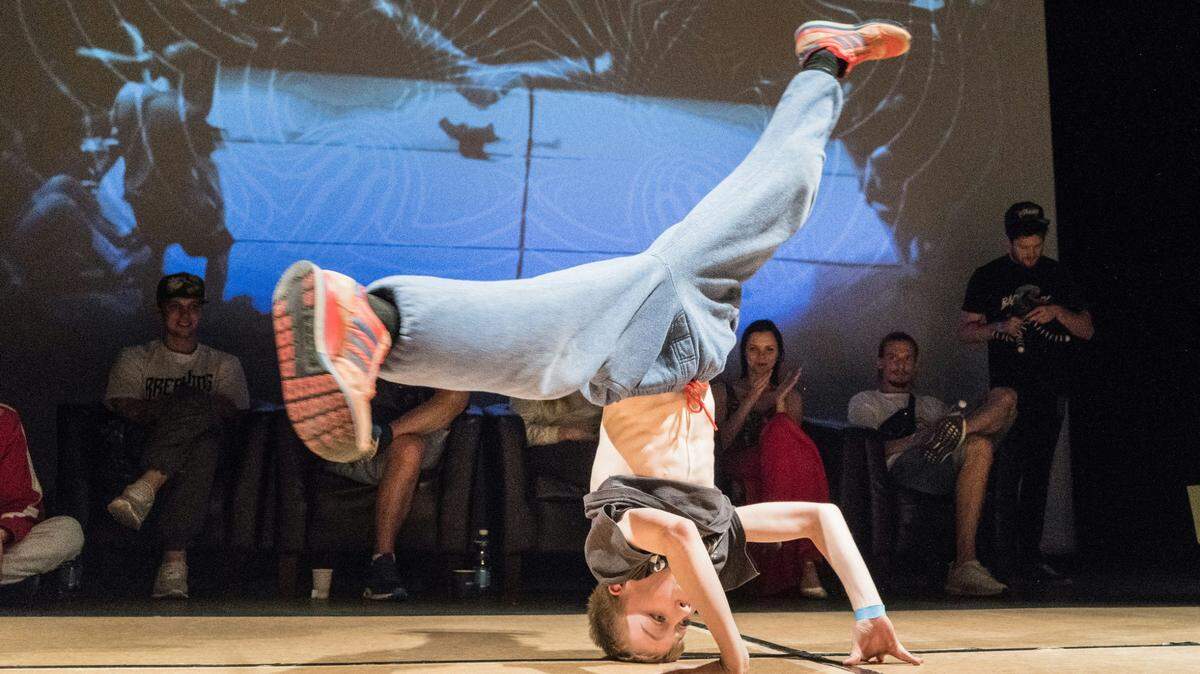
From its origins in late 1960s New York Black and Latino communities to an internationally recognized Olympic sport, breaking has evolved, adapted and spread across the world.
Breaking, or breakdancing, is a mix of dance, martial arts and gymnastics, and includes gravity-defying tricks and moves that test the limits of the human body.
Some of these moves, however, take an extreme physical toll.
One dancer in his early 30s went to his primary care doctor in Denmark when a large lump on his head started to become too painful to perform his moves, according to a case report published Oct. 10 in the journal BMJ Case Reports.
He told doctors he had been breaking for nearly two decades and spent hours practicing, according to the report.
“His training regimen consisted of approximately five sessions per week, each lasting around 1.5 hours,” doctors said. “During each session there was direct pressure applied to the vertex (top) of the head for durations ranging from two to seven minutes.”
The dancer said he first noticed the bump five years before when he started to lose his hair, a common issue for dancers that regularly perform moves on their heads, according to the case report.
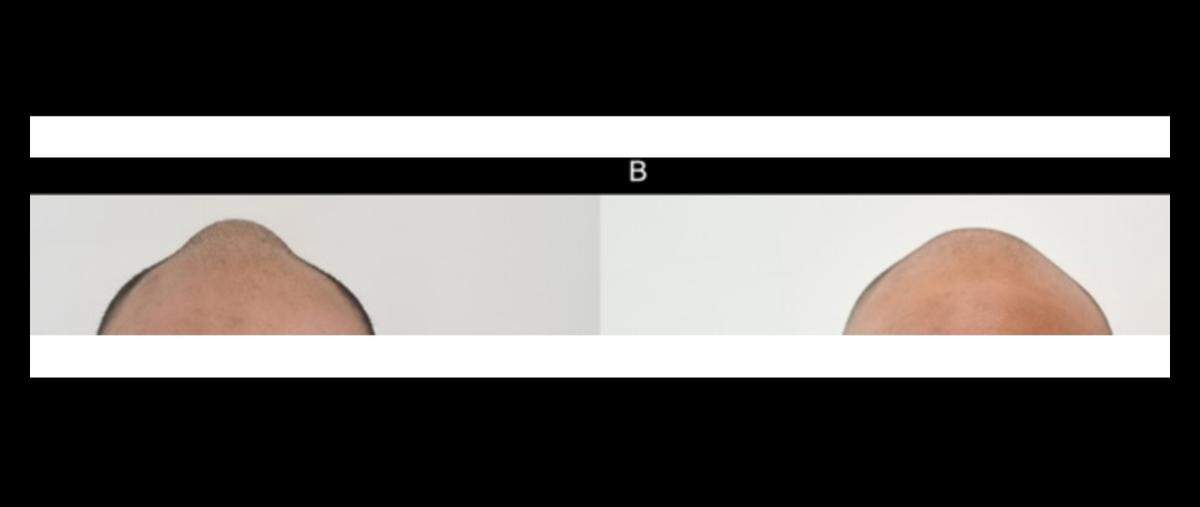
Since the bump first appeared, it continued to grow and become tender, making it hard for the man to continue head-spinning moves, according to the case report.
Doctors pressed on the bump and felt it move freely, meaning it was outside of the skull. The skin over the bump was thick, and an MRI scan showed the bone underneath the bump had also thickened, according to the report.
While the dancer may have been worried about the pain, his doctors were worried the lump may be cancerous and recommended the bump be removed surgically and tested, according to the report.
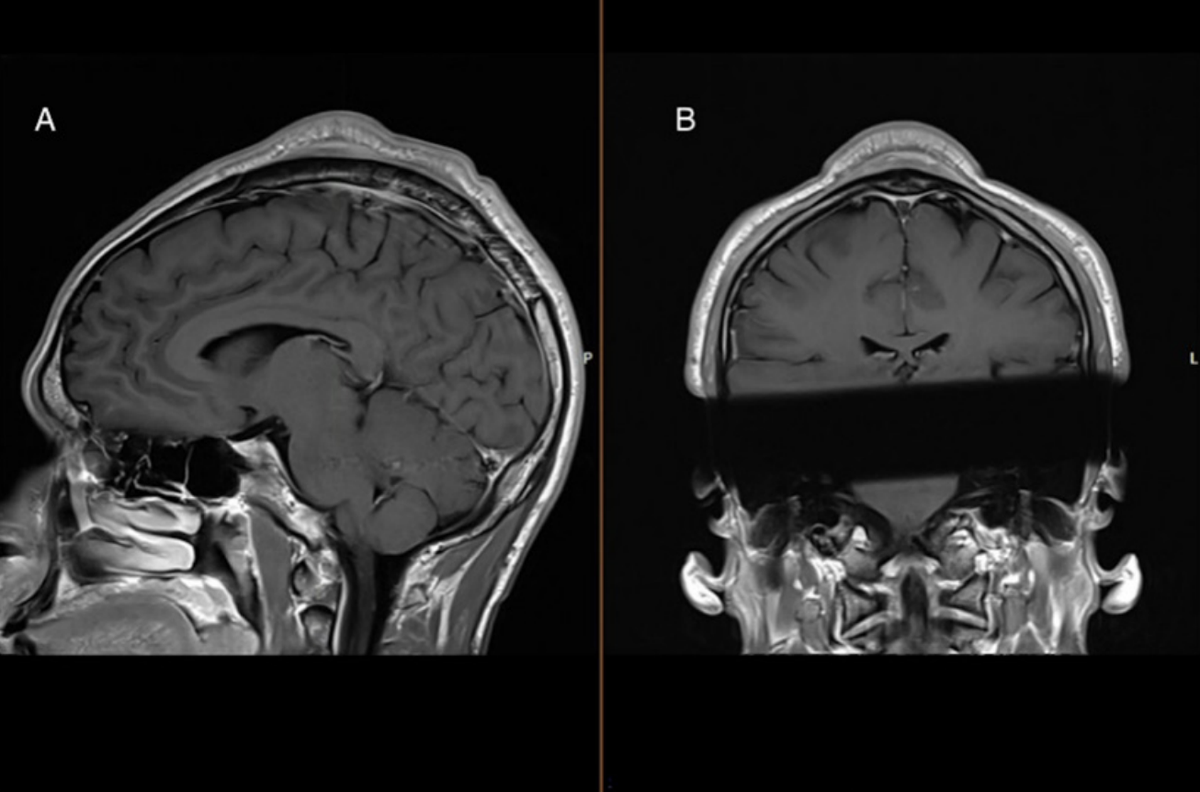
When doctors opened the man’s scalp, they found a fibrous tumor. It was cut from his head, and then the thickened skull bone was shaved down in hopes of providing some relief to the dancer.
Analysis of the lump found it to be benign, or non-cancerous, and in follow-up appointments the dancer said the bump remained small.
“It is now possible for me to go out in public without a cap/hat which is, of course, a very nice feeling. I have received a lot of positive feedback and people say it looks well done, that I have a nice scar and that my overall appearance has improved significantly,” the dancer told doctors.
Turns out, the dancer was experiencing a phenomenon called “headspin hole” or “breakdance bulge,” according to the report, which manifests itself through hair loss, inflammation and numbness, as well as the formation of a bump.
“Prolonged break dancing often leads to a collection of chronic afflictions known collectively as ‘breakdancer overuse syndrome,’” doctors said.
In another case, a break dancer with nosebleeds and dizziness developed a “cone-shaped” bump on his head after intensive head-spinning, doctors said.
A previous German study of about 100 break dancers found that more than 60% of themexperienced injuries to their scalps from their art, and another study found about one-third of dancers experience some kind of hair loss, doctors said.
Despite breaking’s growth in popularity, doctors only found three other examples of the conditions in medical articles, according to the report.
The medical team is from the department of neurosurgery at Copenhagen University Hospital in Copenhagen, Denmark.