
Ocean creature resembling Christmas ornament comes to life, gobbles animal, video shows
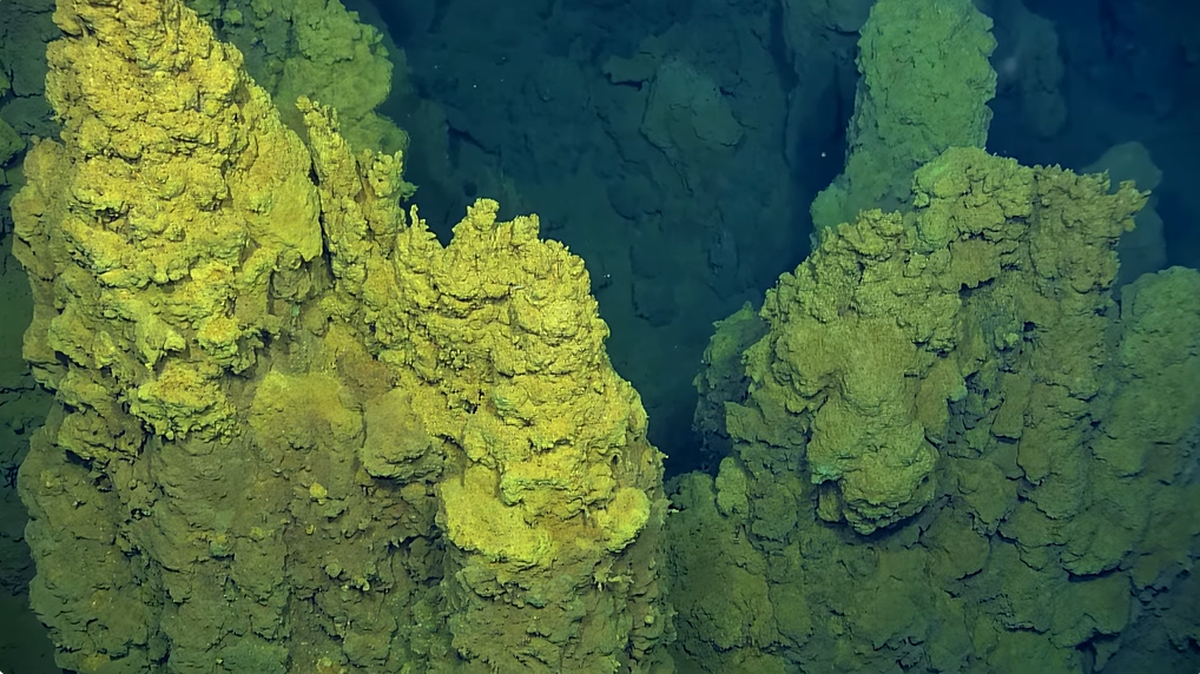
A “cute” seafloor creature resembling a Christmas tree topper gave marine researchers a lesson in deceit when it sprang to life in the South Pacific and gobbled up another animal.
The rarely observed ambush played out atop a sunken volcano 2,600 miles southwest of Hawaii and involved a sea anemone, according to the Ocean Exploration Trust.
Video shared Sept. 19 on YouTube shows a remotely operated camera was 2,260 feet down when it encountered a half dozen anemonies growing like flowers on the still-active Nafanua Cone.
“It’s like we’re in the ‘Barbie’ movie. Everything’s so pink and cute,” observer Jamie Zaccaria of the Ocean Exploration Trust is heard saying in the video.
Almost on cue, one of the “cute” creatures chose then to come alive, snatch up a bug-like isopod and swallow it whole.
The researchers responded with a chorus of gasps and cries of “oh no.”
“That’s what they eat,” one researcher says in the video. “That’s a good catch.”
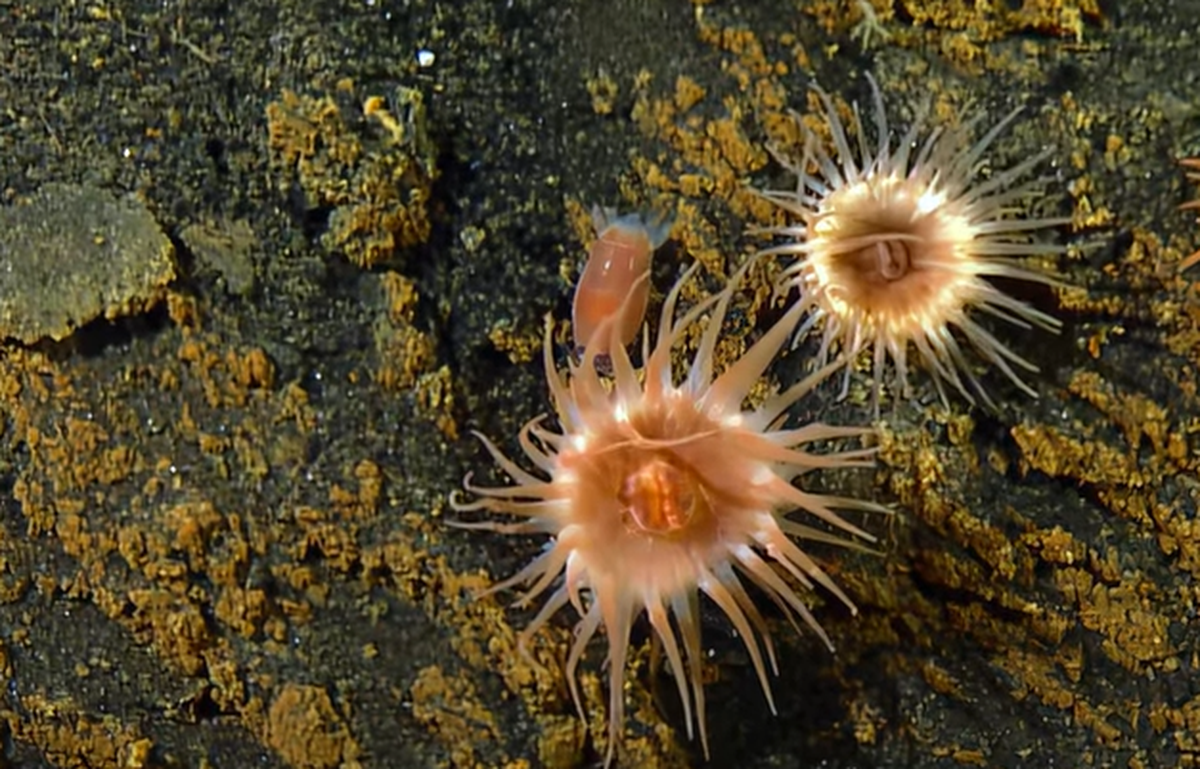
Anemones resemble flowers, but are actually invertebrates like jelly fish that grab passersby and envelop them, experts say.
“Sea anemones are predators that use their tentacles covered with stinger cells (cnidocytes) containing barbs to catch prey like zooplankton, fish, worms, marine larvae, mussels, and (unfortunately for this crustacean) isopods,” the trust wrote in its post.
“Witnessing predation events in the deep sea rarely happens but provides important data to better understand seafloor food chains.”
The footage was recorded in the National Marine Sanctuary of American Samoa, which “is the southernmost U.S. territory” in the South Pacific, the trust says.
An expedition is spending much of September in the region, exploring “the biology, geology, and chemistry of deep volcanic habitats.”
Among the team’s unusual finds atop the Vailuluʻu Seamount was a seafloor graveyard covered in fish skeletons.
“It’s unclear when exactly these fish died, but they likely perished due to increased carbon dioxide levels released from the crater’s volcanic activity,” researchers said.