Endangered chick gets ‘second chance’ in the wild thanks to rescuers. ‘Heartwarming’
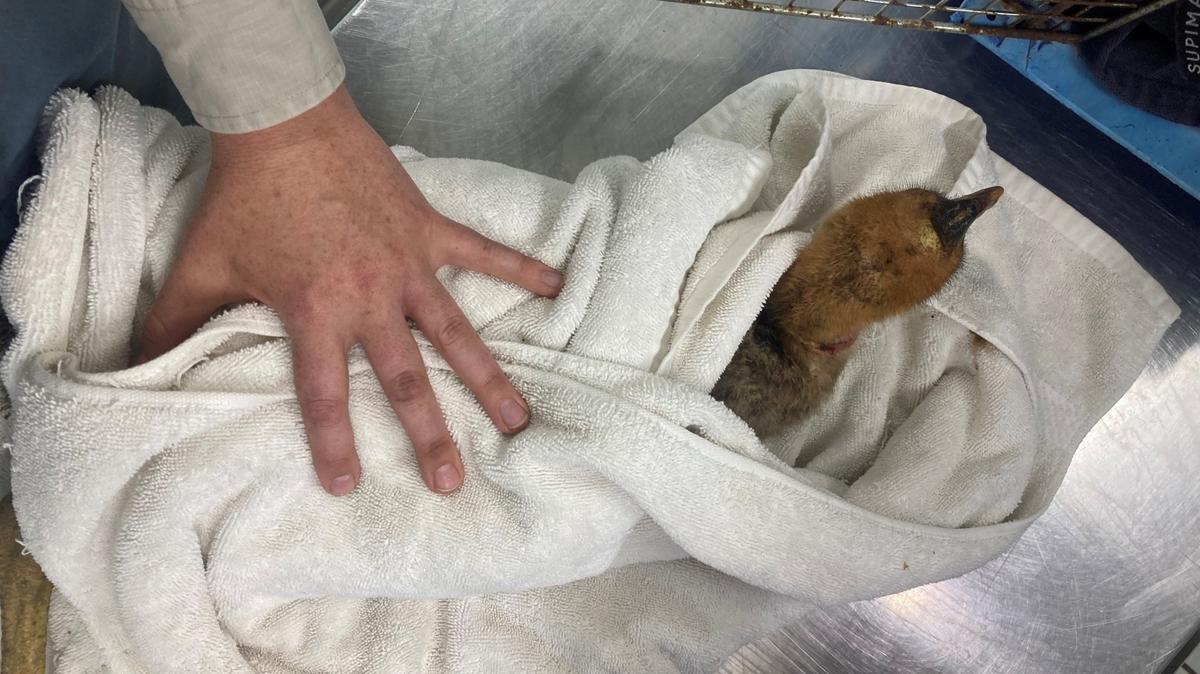
An endangered chick got a “second chance” after being abandoned in Australia. Photos show the injured baby before and after rescuers reunited it with family.
A landowner in Bingil Bay spotted the cassowary chick and noticed a “large gash around its neck” on Sept. 3, the Queensland Department of Environment, Science and Innovation said in Sept. 10 news release. They called wildlife officials who arrived to find it sitting there “listlessly.”
Officials looked at the bird’s neck injury and decided to take it to a veterinarian. A photo shows the red gash mark.
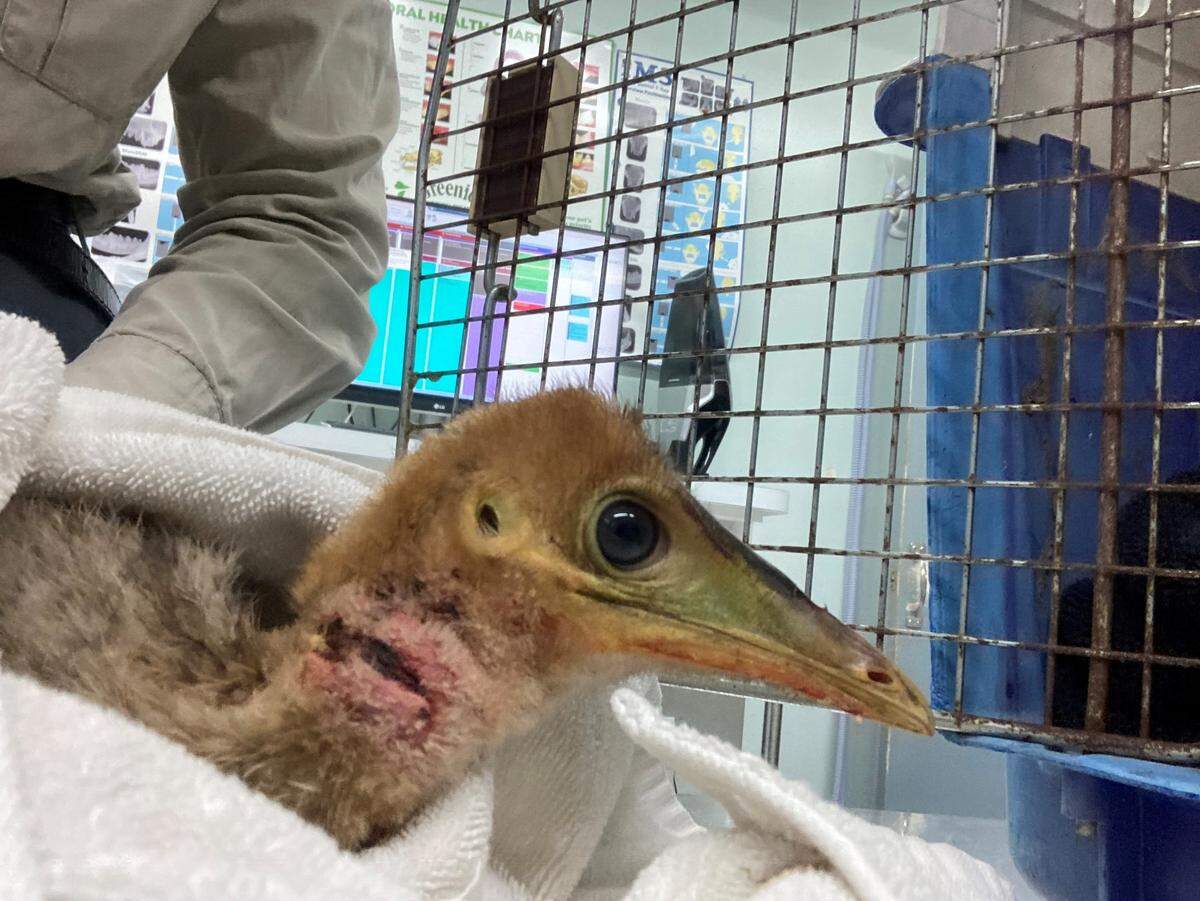
A veterinarian checked the cassowary and found its injury wasn’t as serious as it looked, officials said. Still, the clinic gave the bird some antibiotics and kept it overnight.
“The following morning, we received a positive report from the veterinarian who determined the chick was healthy and ready for release,” Ariella Woods, a wildlife officer with the department, said in the release.
“We were then up against the clock, and it was crucial to get the chick back to Bingil Bay as quickly as possible so it could be reunited with its father,” she said. “There was a real risk that the father would reject the (chick) due to the length of time they had been apart.”
Officials took the chick back to Bingil Bay and put it in a pet carrier on the edge of the forest where its dad passed by every day. Then they waited.
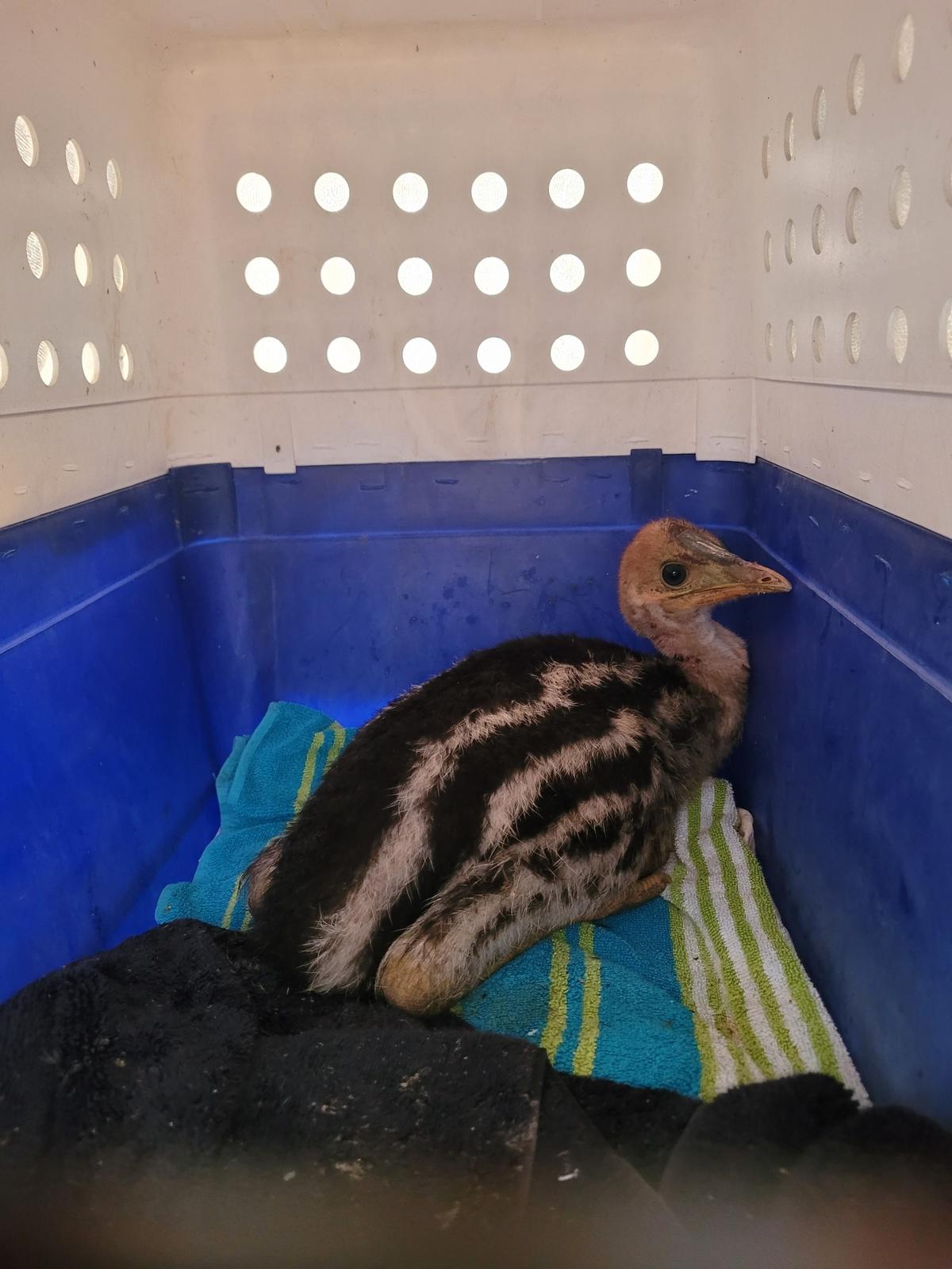
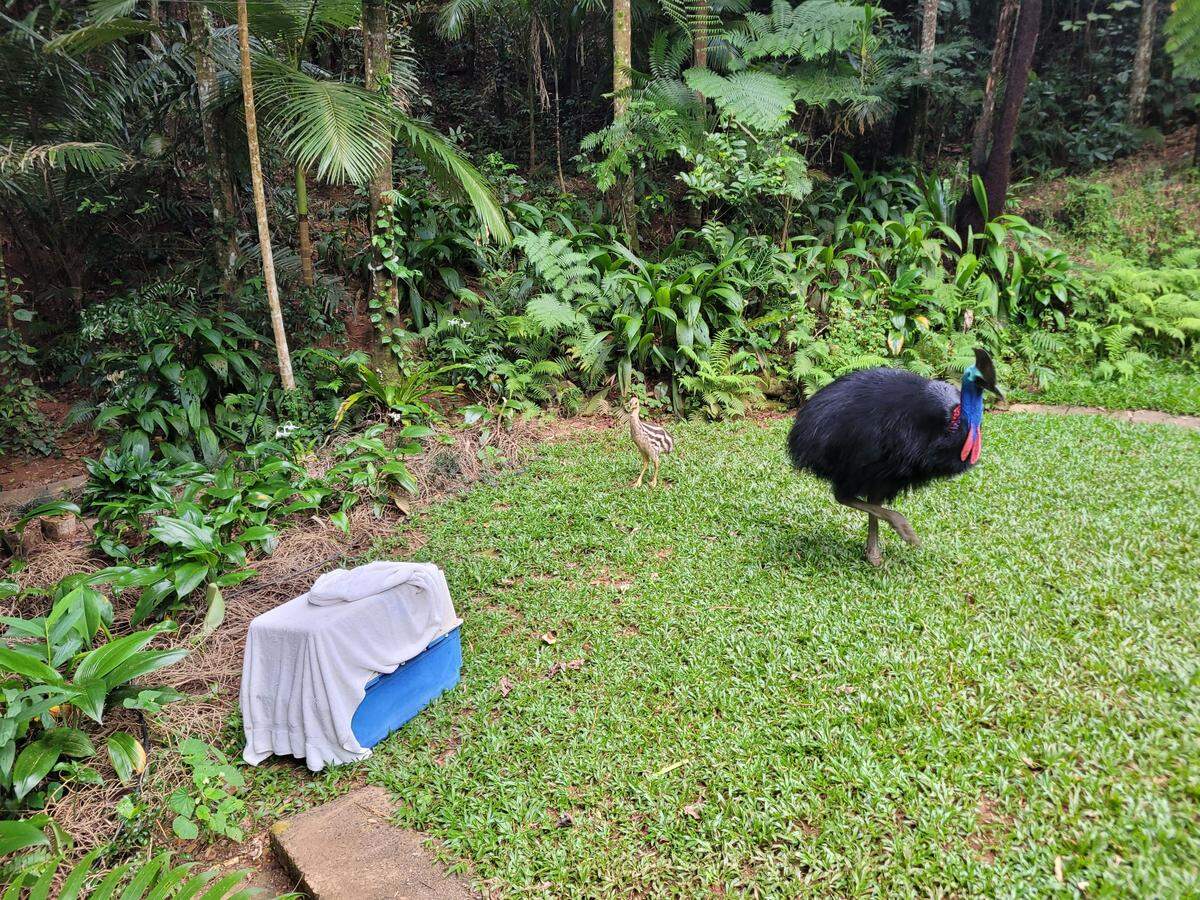
Eventually, the chick “began to call out, attracting its father and another chick,” Hayley Cook, another wildlife officer with the department, said in the release. “We watched the (dad’s) vocalization and behavior (and) confirmed he recognized the chick before opening the pet carrier.”
“The chick quickly ran to its father and sibling, and together they returned to the rainforest,” she said. A photo shows the rescued chick with its dad.
Cassowaries are large, flightless birds sometimes referred to as the “world’s most dangerous bird” because of its “powerful kick” and “large, dagger-shaped claw,” according to an article from the department. Adults have a bright blue neck and black feathers. Chicks have “yellow and black stripes,” earning them the nickname “stripeys.”
Male cassowaries “incubate the eggs for about 50 days, then guard and protect the chicks” until they’re independent, officials said.
“We were absolutely thrilled by the heartwarming reunion,” Cook said. She also thanked the Bingil Bay property owners for calling the department. “That phone call ensured the stripey has a second chance.”
Bingil Bay is a town along the northeastern coast of Queensland and a roughly 1,400-mile drive northwest from Sydney.