Prehistoric ‘titan’ — 75 million years old — is discovered. See massive new species
Today, the largest creatures on the planet are scattered across the seven seas, roaming the deep water away from our watchful eyes.
Millions of years ago, the Earth’s titans lumbered their massive bodies on land as part of some of the most prosperous animals of all time — dinosaurs.
One of these creatures lived 75 million years ago during the Cretaceous period, according to a Sept. 4 news release from the Faculty of Sciences of the University of Lisbon.
It died in modern-day Spain and was fossilized in the Lo Hueco site in Cuenca, according to a study published Sept. 4 in the peer-reviewed journal Communications Biology.
That was until 2007, when a construction project for a high-speed train between Madrid and Levante cut into the stone.
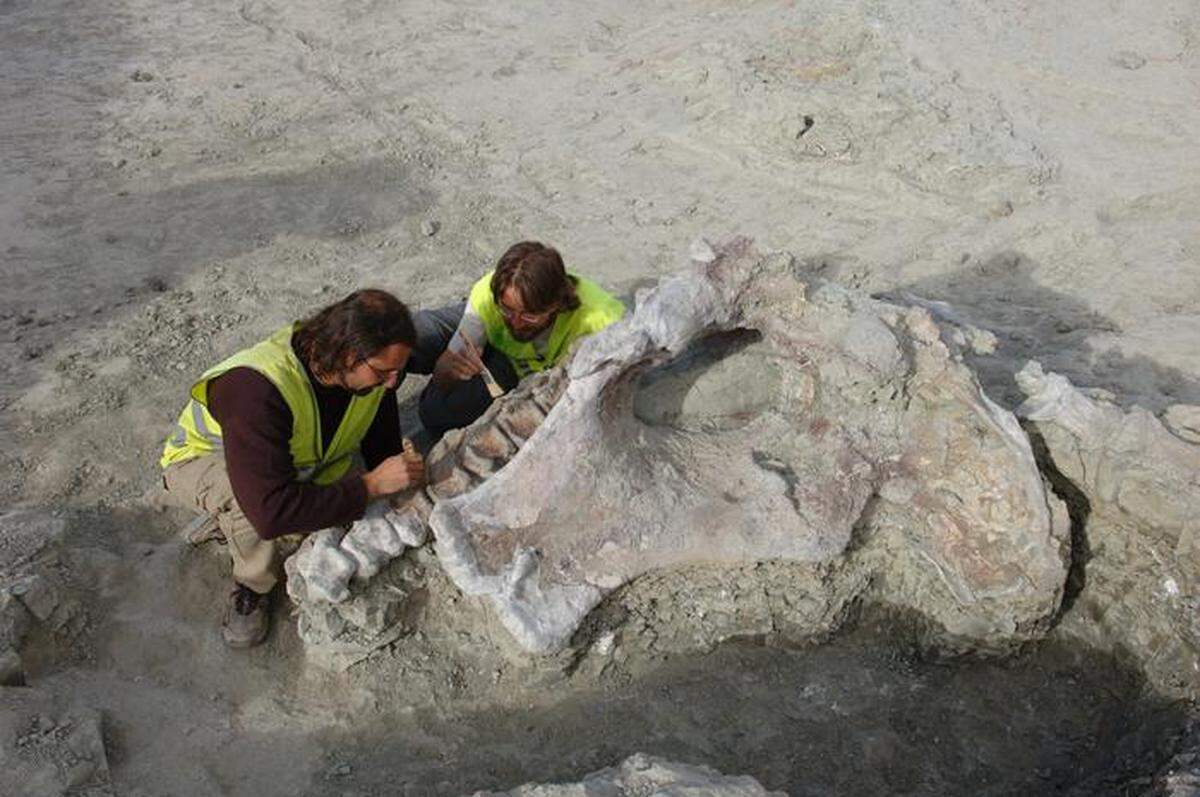
Over the past 17 years, the site has been excavated and more than 10,000 fossils have been discovered, recorded and analyzed, according to the study.
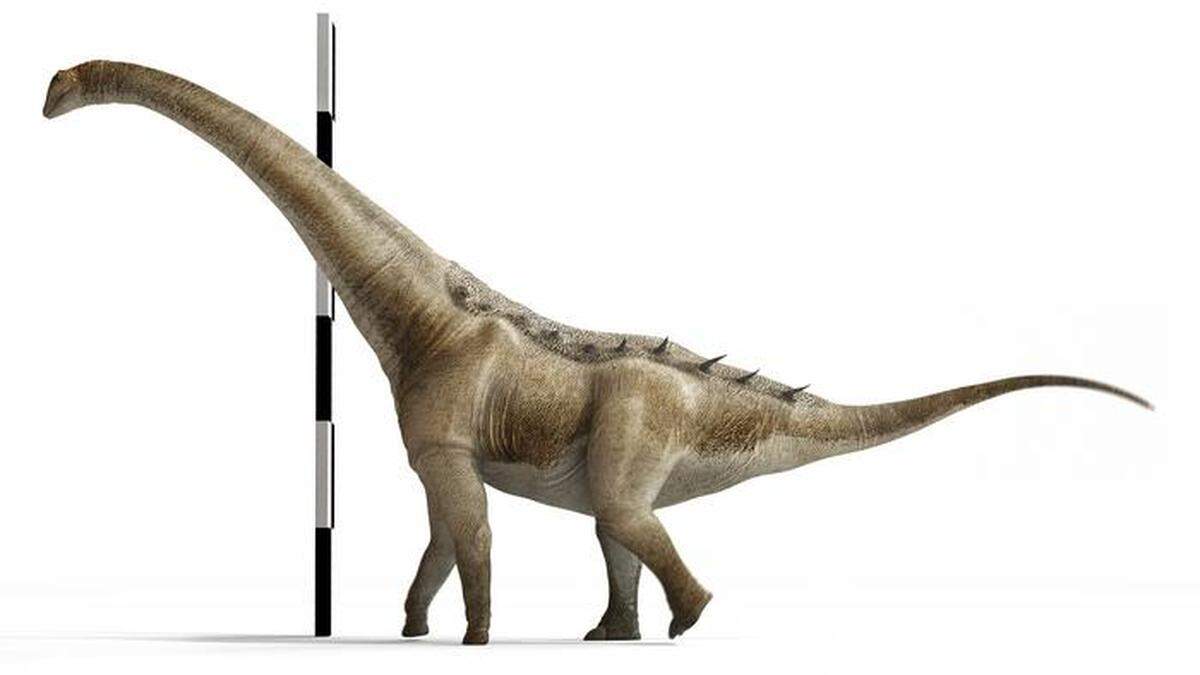
Many of these bones belonged to a group of dinosaurs known as Titanosauria, and now, paleontologists have identified an entirely new species.
“Titanosauria was a successful group of sauropod dinosaurs that experienced an important event of diversification in the Early Cretaceous, with the establishment of several distinct lineages,” researchers said.
The dinosaur family divided into saltasauroids and colossosaurs, ranging from smaller quadrupedal animals to “the largest known land animals,” researchers said.
“One of the most relevant features of the Lo Hueco fossil record is the abundance of large partial skeletons of sauropod dinosaurs, which are rare in the rest of Europe,” the university said.
Paleontologists identified the disarticulated remains of an unknown sauropod at the site, uncovering part of the spine, ribs, back legs, feet and an almost complete pelvis, according to the study.
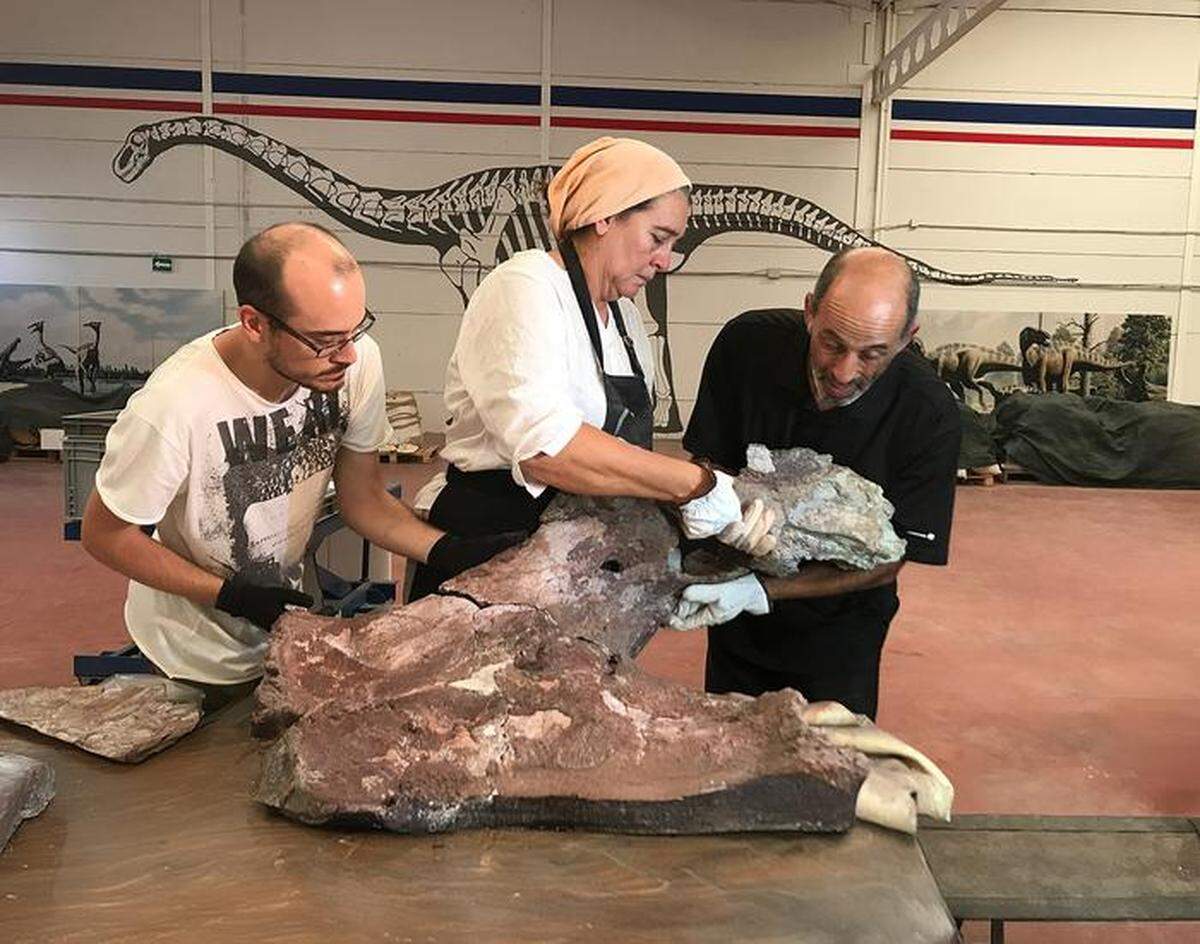
It didn’t match anything in the paleontological record, researchers said, and was named a new species.
Qunkasaura pintiquiniestra is both a new species and a new genus, according to the study. The genus is named ”qunca,” for a medieval city that gave rise to the town of Cuenca, and ”saura,” stemming from the Greek word for “lizard.”
“The specific name pintiquiniestra refers to a character sometimes interpreted as a giantess: the Queen Pintiquiniestra from one of the novels that drove Don Quixote de la Mancha, the character created by Miguel de Cervantes in the 17th century, mad,” researchers said.
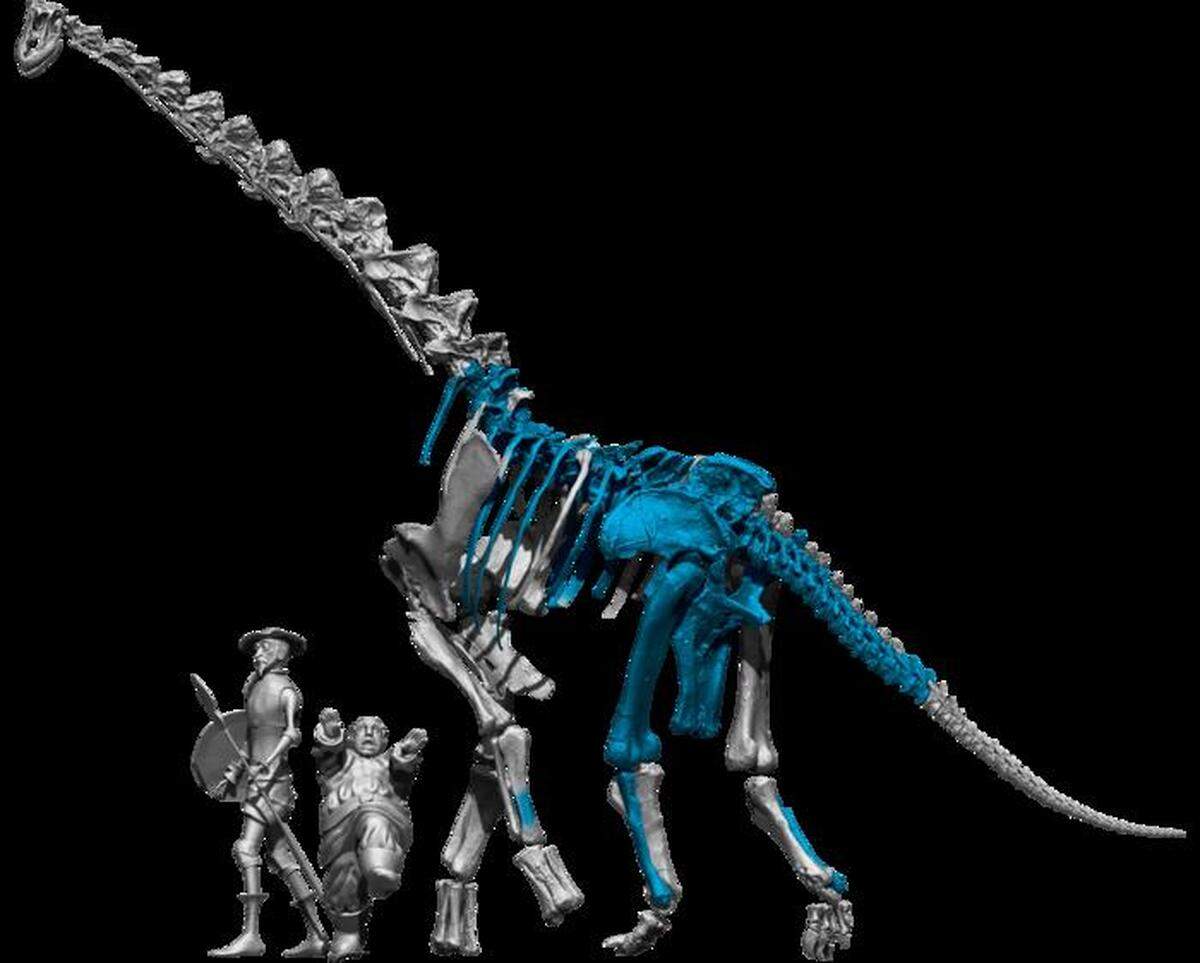
“Qunkasaura pintiquiniestra stands out for being one of the most complete sauropod skeletons found in Europe, including cervical, dorsal and caudal vertebrae, part of the pelvic girdle and elements of the limbs. Their unique morphology, especially in the tail vertebrae, offers new insights into the non-avian dinosaurs of the Iberian Peninsula, a historically poorly understood group,” the university said.
The presence of the new species also confirmed that there were multiple lineages from the same family present at the fossil site, meaning they both lived in the area at various points in time, according to the study.
“Europe was a huge archipelago made up of several islands during the late Cretaceous,” study author Pedro Mocho said in the university release. “However, Qunkasuara belongs to another group of sauropods, represented in the Iberian Peninsula by medium-large species 73 million years ago. This suggests to us that this lineage arrived in the Iberian Peninsula much later than other groups of dinosaurs.”
The fossils of Lo Hueco are still being analyzed and reconstructed, Mocho said, and other new species discoveries may come in the future.
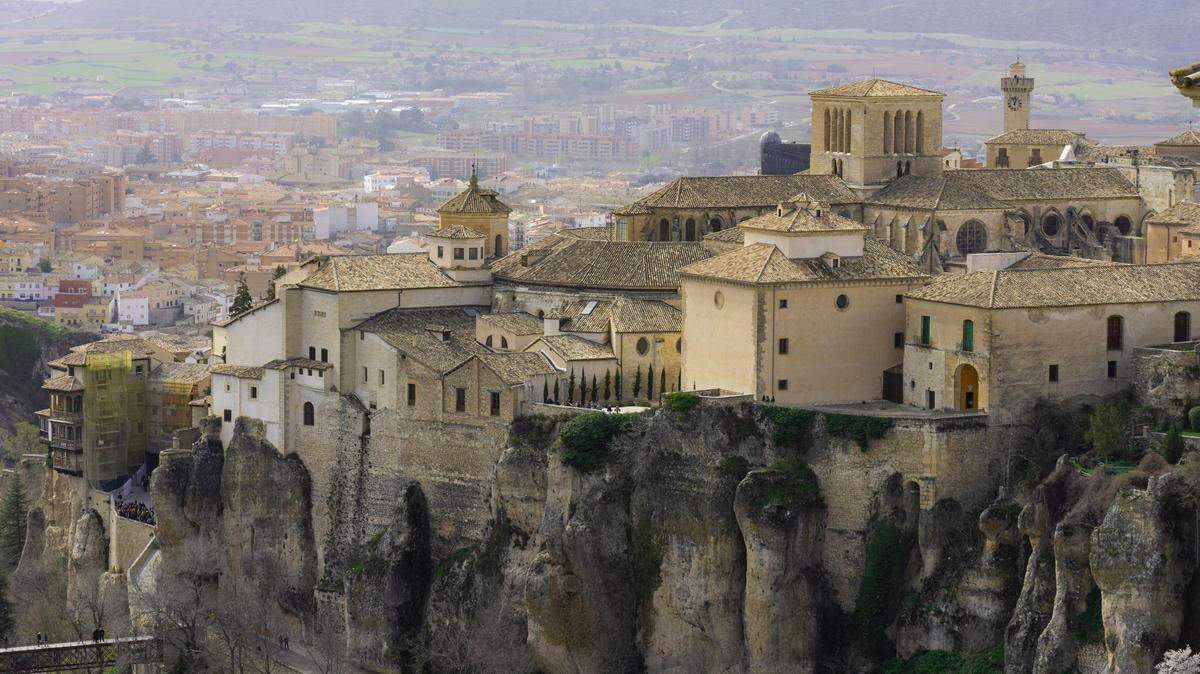
The site is located in Cuenca, a city in the mountains of east-central Spain.
The research team includes Pedro Mocho, Fernando Escaso, Fátima Marcos-Fernández, Adrián Páramo, José Luis Sanz, Daniel Vidal and Francisco Ortega.