Elaborate 1,800-year-old grave — filled with artifacts — discovered in Germany. See it
The city of Gerstetten has been inhabited by one group or another for nearly 2,000 years.
The southern Germany city was first occupied during the Late Antiquity period, a time spanning from the third century to the sixth or seventh century, according to an Aug. 27 news release from the State Office for Monument Preservation in the Stuttgart Regional Council.
Now, evidence of those ancient cultures are being rediscovered as the city moves into the modern era.
This spring, the city began work on the construction of residential buildings, including expanding the affordable housing options, the council said.
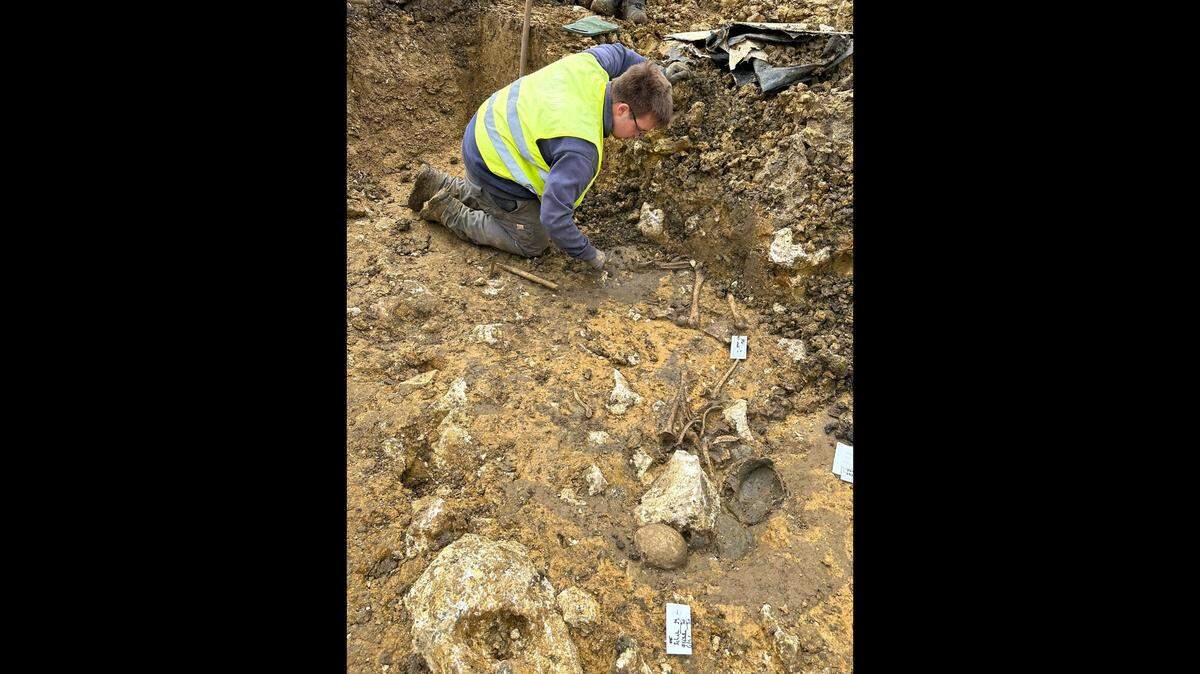
But as the project started and layers of dirt were pulled away, something ancient was revealed.
A wooden chamber grave, described as elaborately constructed, was found in the middle of the settlement area, dating from the first half of the fourth century, the council said.
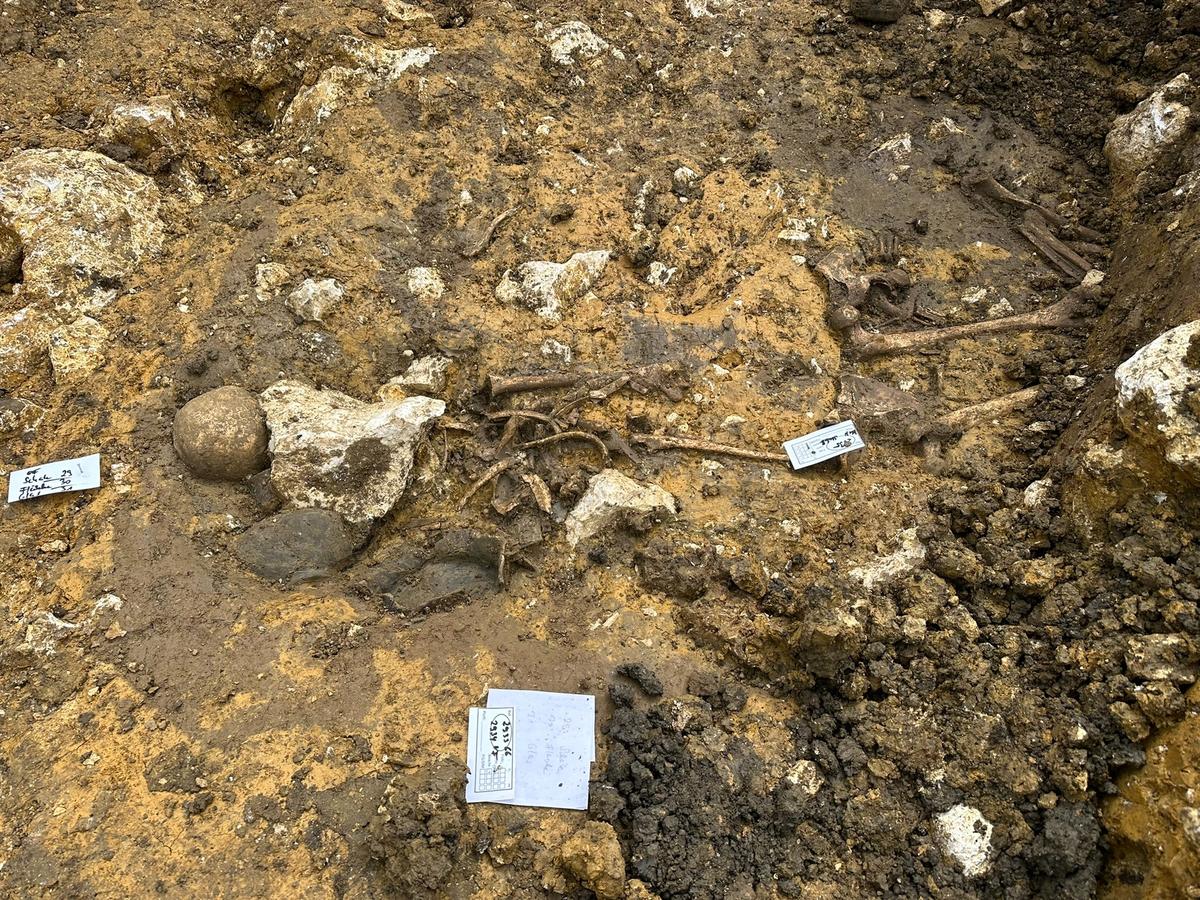
Archaeologists sampled the rib of the person buried inside and found the body belonged to a man in his 60s who likely died between 263 and 342 A.D., according to the council.
The grave was also solitary, suggesting prominence of the burial, though it was a typical burial practice during that time period, archaeologists said.
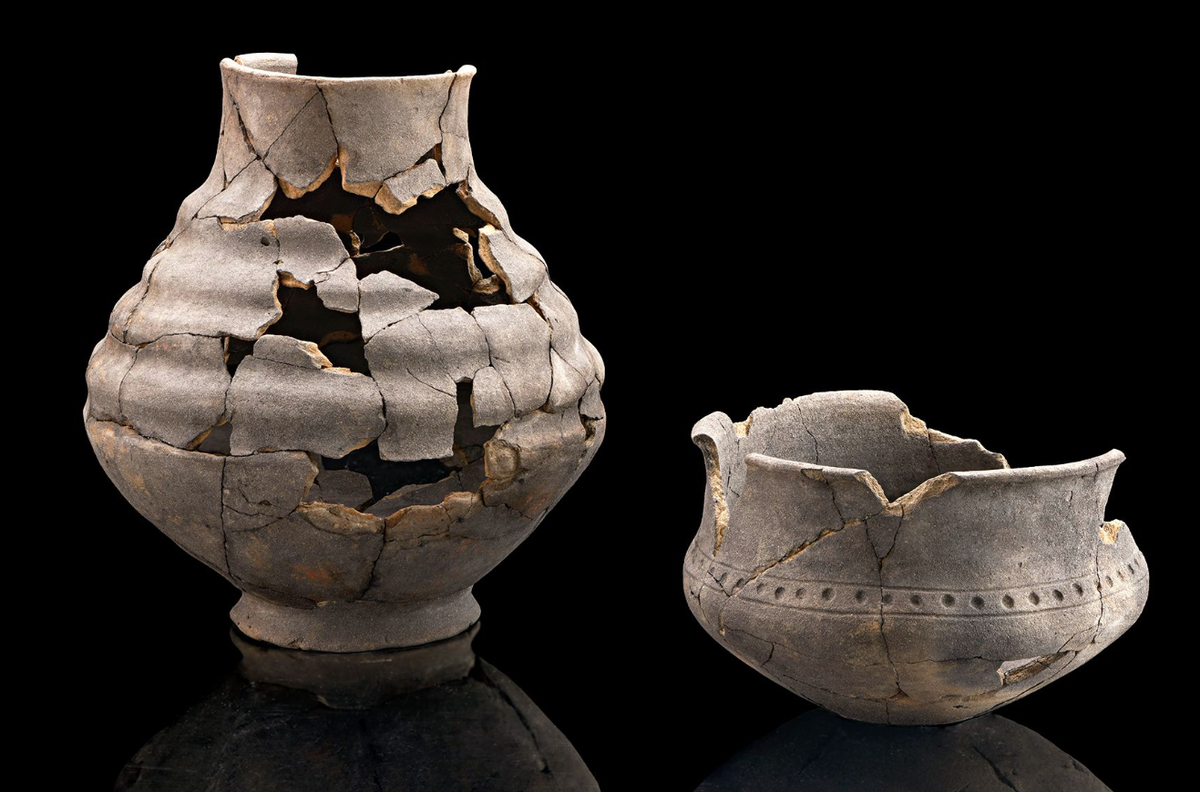
Buried with the bones were grave goods, such as ceramic and glass vessels, the council said. One cup was similar to another found at a late Roman fort located nearby.
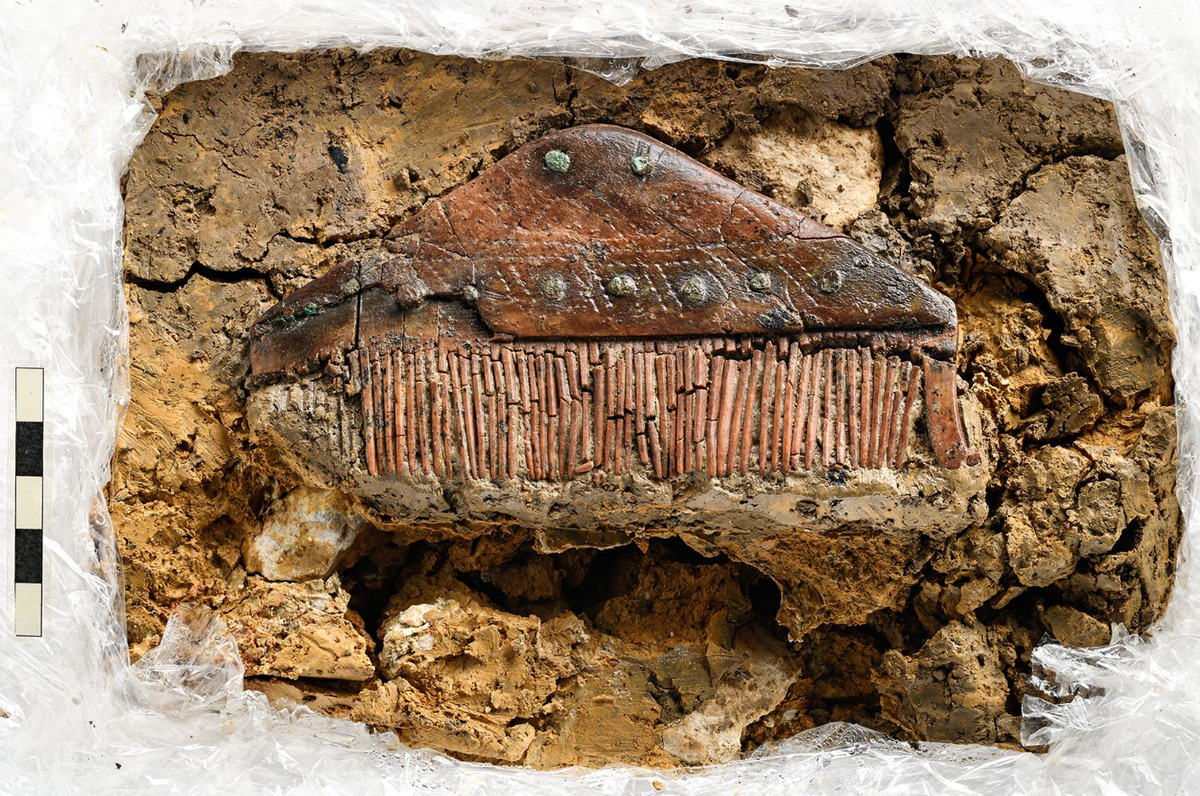
Archaeologists also found a well-preserved comb, and based on similar finds in the region, researchers suspect the goods come from the Middle Elbe-Saale region, and the man was part of the Alemannic culture.
The Alemanni were a Germanic people composed of smaller tribes during the third century, according to Britannica. The tribes united under two military leaders but remained distinct in other aspects of their lives.
Finding Alemannic burials are relatively rare, archaeologists said, especially one by itself.
Graves are usually in sets of five to 12, but the council said it can’t yet be ruled out that more graves are present at the dig site.
The artifacts have been transferred to a laboratory for research and analysis, the council said, but excavation will continue at the housing site at the end of the year.
Gerstetten is in south-central Germany, about a 100-mile drive northwest from Munich.
Google translate was used to translate the news release from the State Office for Monument Preservation in the Stuttgart Regional Council.