Viking-age animal carving — likely a children’s toy — found in Iceland. Take a look
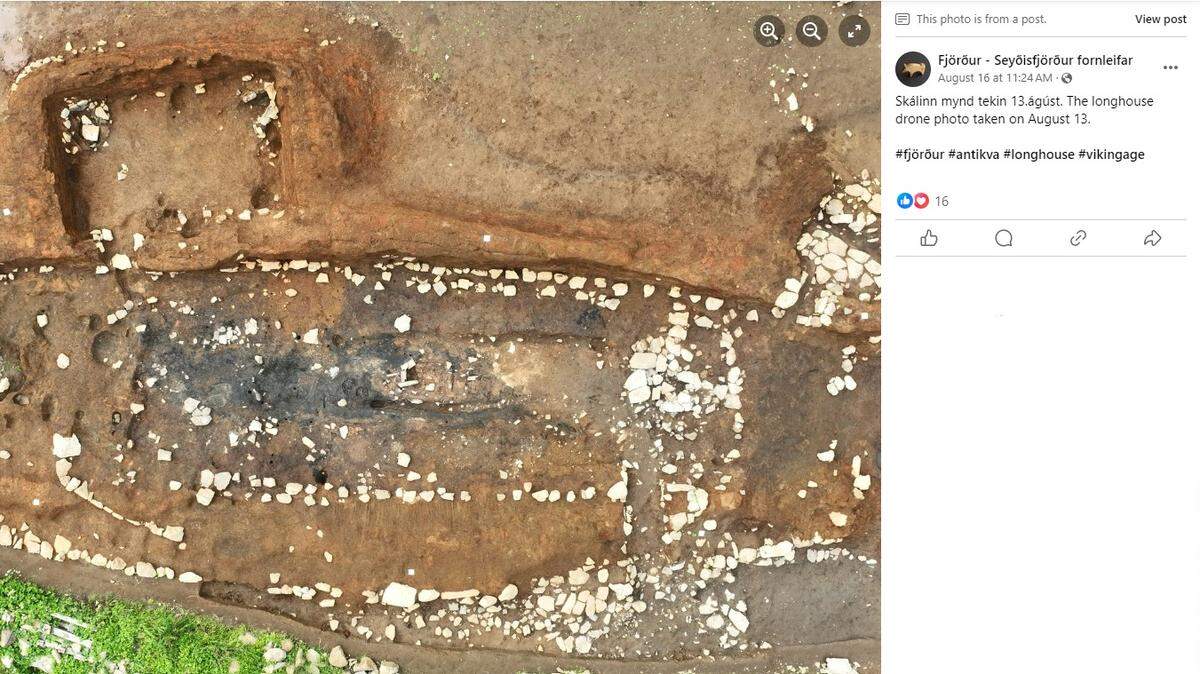
Digging into the damp ground of eastern Iceland, archaeologists thought they knew what to expect. After all, they’d been working at this Viking-age settlement for five years.
But a small animal carving surprised them all.
Archaeologists returned to Seyðisfjörður to excavate the ruins of a 1,100-year-old long house, the Norwegian Institute for Cultural Heritage Research said in an Aug. 23 news release. The house was part of a Viking-age settlement buried by a landslide in 1150.
While searching the floor of the house, archaeologists uncovered an animal figurine likely used as a children’s toy.
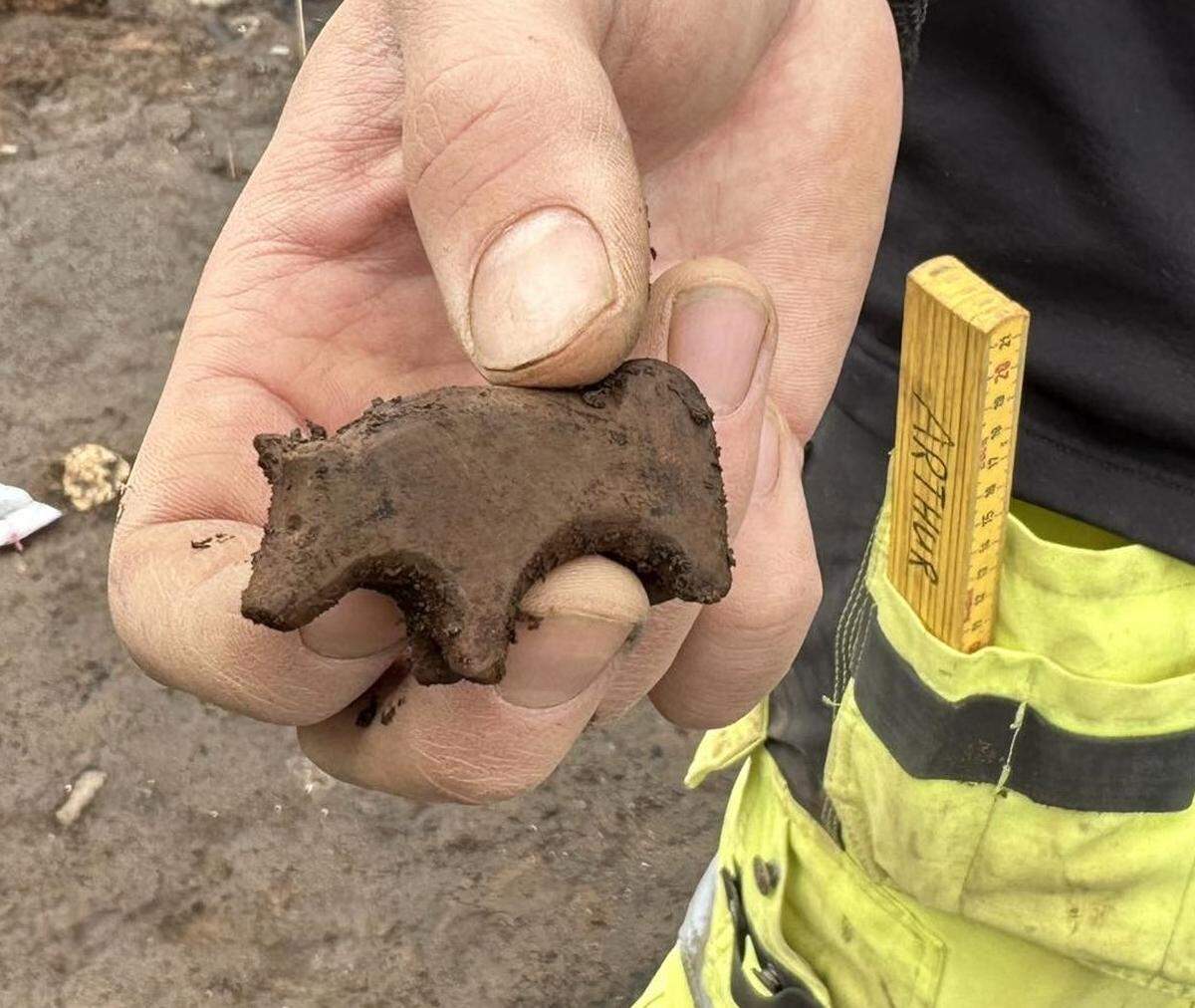
A photo shows the roughly 2-inch-long animal carved from a type of volcanic rock. The four-legged figure seems relatively well-preserved, but archaeologists don’t know if the animal represents a pig, bear or dog.
Ragnheiður Traustadóttir, the excavation manager, said that children’s toys are rare finds for archaeologists.
The excavations also uncovered almost a hundred pieces used to play a Viking-age strategy game. A photo shared by the Fjörður Seyðisfjörður archaeological site on Facebook shows these stone pieces.
In total, archaeologists found over 600 artifacts including beads, animal bones, spinning wheels, pots and a silver coin. Photos show a few of these Viking-age items.
Knut Paasche, a digital archaeologist involved in the project, described the Seyðisfjörður site as the most exciting excavation he’s ever participated in.
Seyðisfjörður is a town on the eastern coast of Iceland and a roughly 400-mile drive northeast from Reykjavík.
Google Translate was used to translate the news release from Norwegian Institute for Cultural Heritage Research (NIKU) and Facebook posts from Fjörður Seyðisfjörður archaeological site.