7,000-year-old tools discovered at ancient rock shelter in Spain. See towering wall
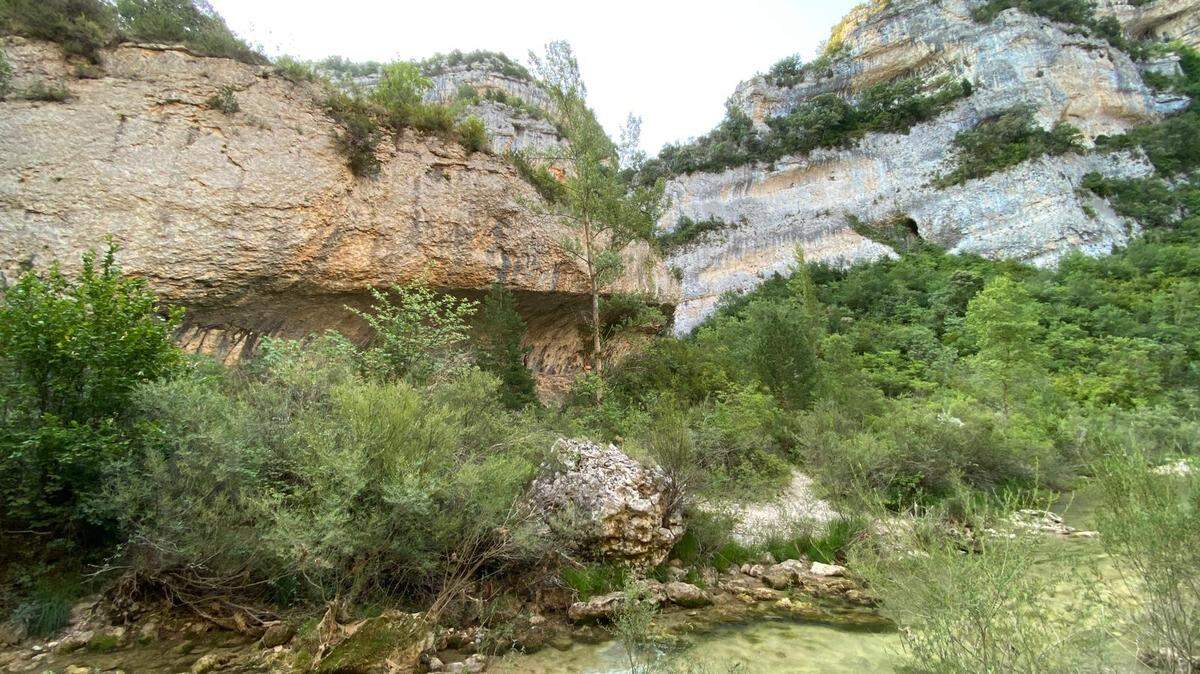
At the foothills of the Pyrenees in northeastern Spain, walking around the Vero River Cultural Park is like taking a step into the past.
Filled with more than 50 post-paleolithic rock art sites, the park has been designated a World Heritage site by UNESCO for its contributions to understanding past communities.
Now, in the center of the park, a large rock shelter has been excavated for the first time.
The Huerto Raso Shelter, or Colungo-Asque Huesca, was first discovered more than 50 years ago and suspected to be a Neolithic site, according to joint Aug. 1 news releases from the Autonomous University of Barcelona and University of Zaragoza.
In the past decades, only small, partial surveys have been conducted on the site, the researchers said, but during the month of July, the first-ever extensive dig made significant discoveries.
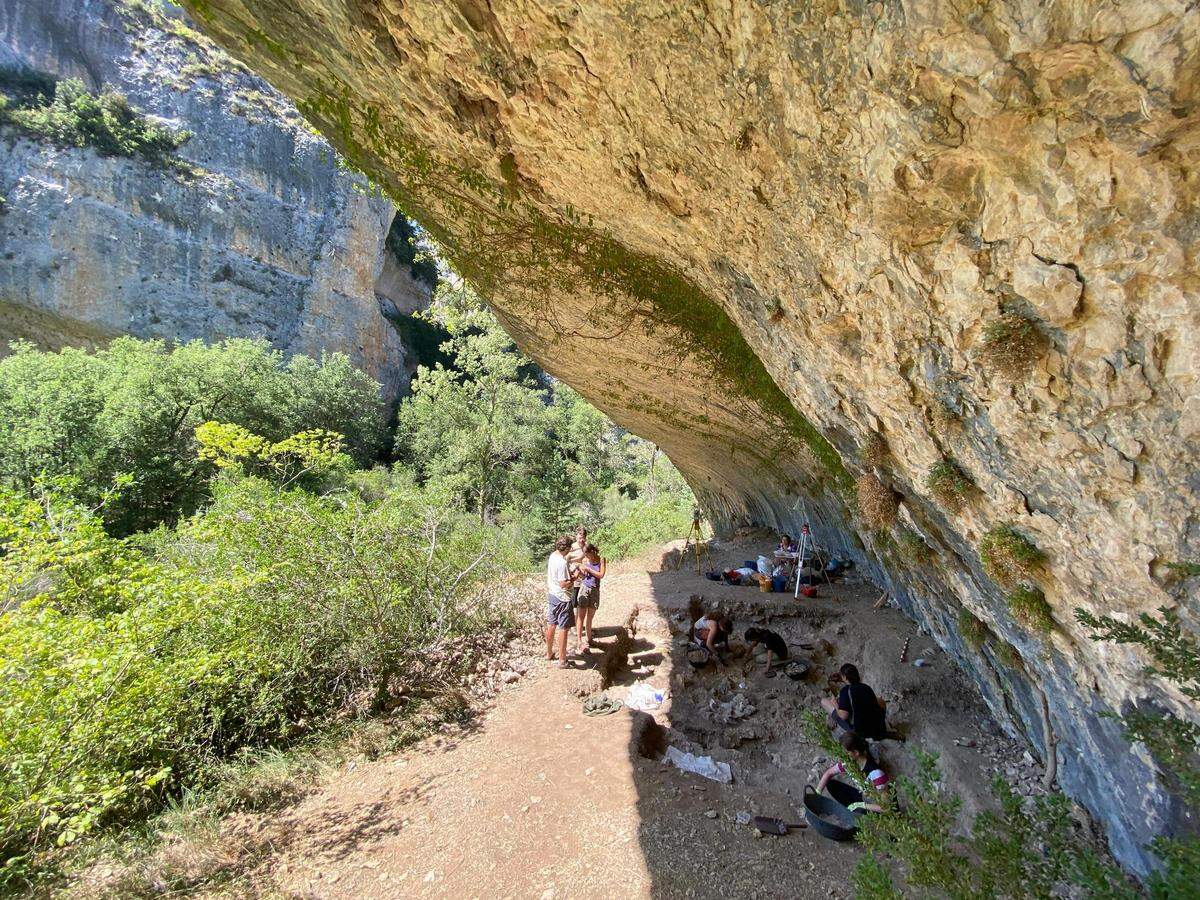
“Researchers from the UAB and the University of Zaragoza have documented the seasonal presence of Neolithic groups and possible later occupations,” according to the releases. “Artifacts discovered include flint tools, ceramics and mills, as well as habitational structures.”
The artifacts help date the site to more than 7,000 years ago, researchers said, and show the site was used over a period of time.
Researchers said they also found lots of animal bones, and they found more bones belonging to animals that were hunted than those that would have been domesticated, according to the releases.
Studying the tools and bones will allow archaeologists to better understand the community subsistence practices and learn when the culture began agricultural practices in the region.
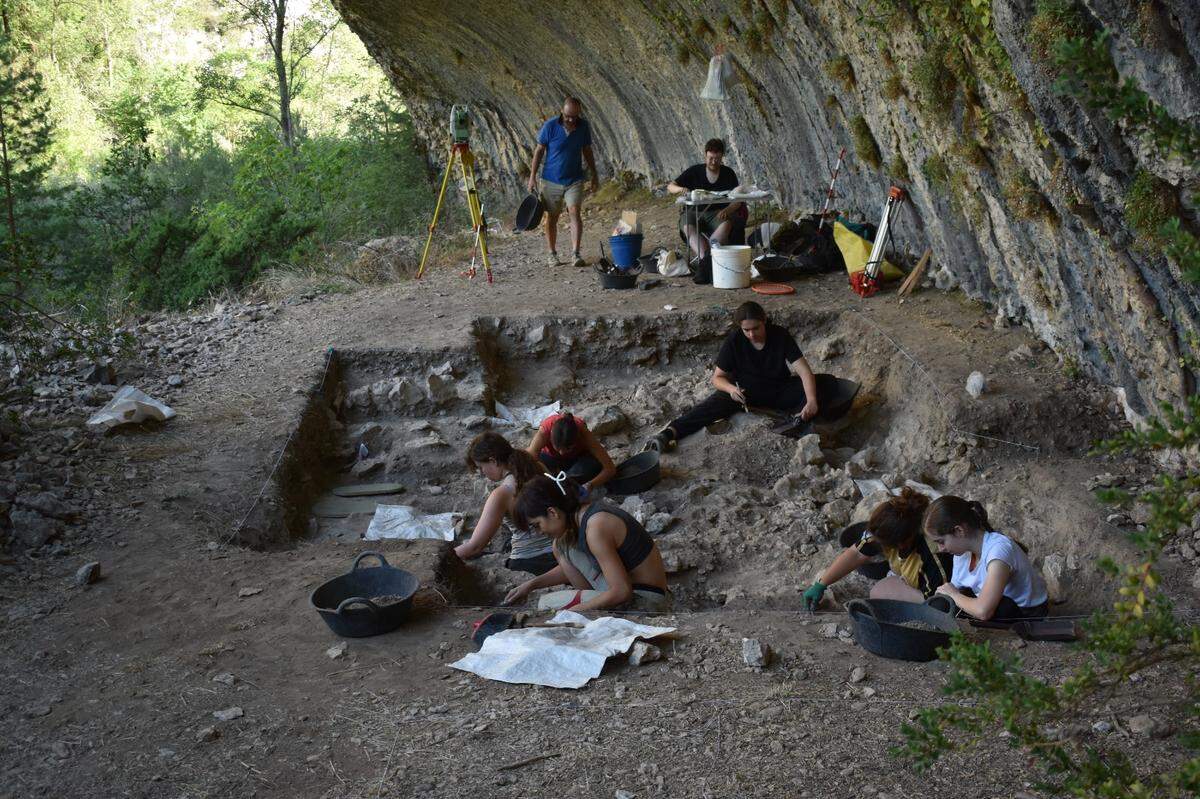
“The site of Huerto Raso is a window to the past that allows us to better understand the development of human societies during the ancient Neolithic in the pre-Pyrenean area,” researcher Alejandro Sierra said.
Field work was completed during the month of July, and now researchers will begin the analysis and carbon-14 dating of the items to establish a more detailed timeline at the site, according to the releases.
The Vero River Cultural Park is outside the city of Barbastro, about a 140-mile drive northwest from Barcelona.