‘Tiger’ creature appears on sheet on Bangladesh college campus. See the new species

Sometimes, discovering a new species can be incredibly technical. Extracting and analyzing DNA, building elaborate traps to catch elusive creatures and a great deal of patience can require advanced technology and heaps of funding.
Other times, all you need is a bed sheet and a light bulb.
In the hills surrounding the Faculty of Biological Science at the University of Chittagong in Bangladesh, researchers set out at night to see what insect species were hidden in the dark, according to a study published July 15 in the journal Zootaxa.
Armed with a white cotton sheet and a “160-watt mercury vapor bulb,” the researchers set up an insect trap in the hilly area.
They set up the light behind the sheet, and as bugs came toward the light and landed, they were collected and identified, according to the study.
But one moth didn’t match anything that had been found before. It was a new species.
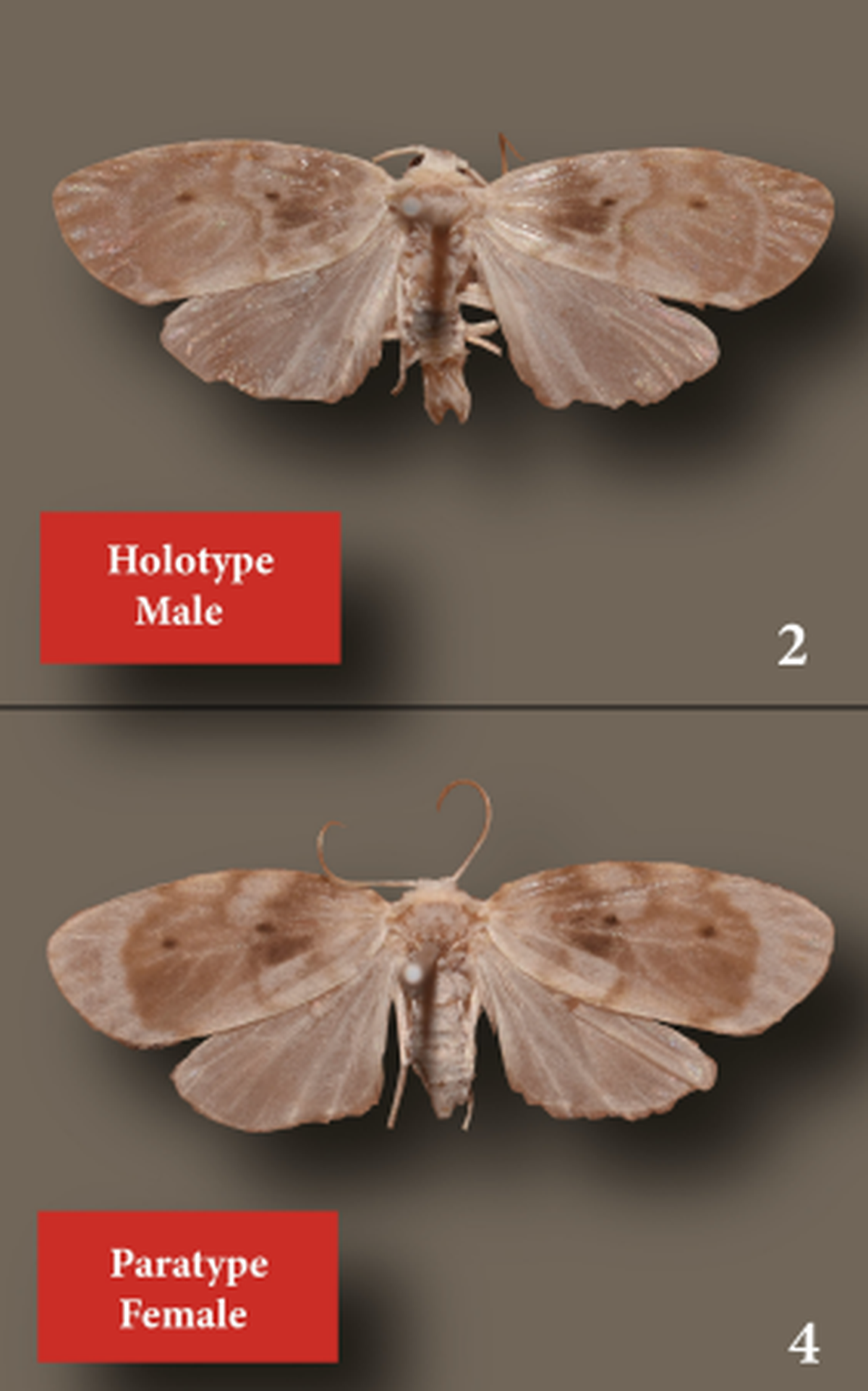
Schistophleps kendricki, named after entomologist Roger C. Kendrick, is a species of tiger moth with a “brownish white” color and patterned wings, according to the study.
It was a wingspan of about two-thirds of an inch, the females slightly larger than the males, researchers said.
The moth’s legs are “tinged with ochreous,” according to the study, and thick antennae protrude from its head.
The wings are covered with “clearly marked patterns” that separate the moth from other related species, according to the study.
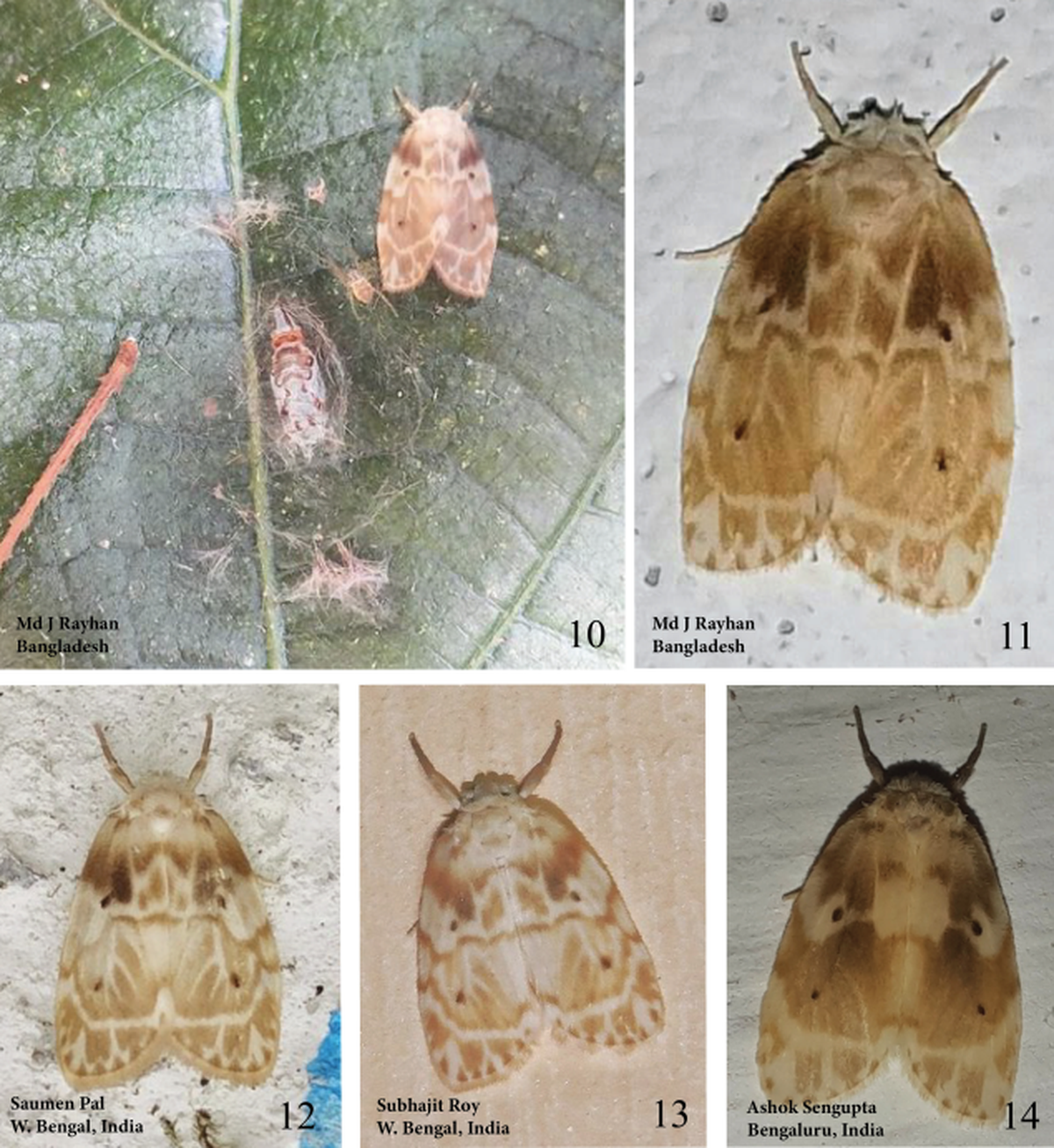
“The biology is largely unknown. However, a newly emerged adult was observed … pupated on the upperside of a (Moraceae) plant leaf,” the researchers said.
Moths pupate from cocoons, and one was found “loosely woven” and with two layers, according to the study. It was “sparsely ornamented” with a pupae inside.
“In Bangladesh, the species have been recorded from small hills with slightly altered vegetation situated in front of the Faculty of Biological Science of the University of Chittagong campus, and a rural area in Pirojpur district of the Barisal division, adjacent to the Sundarbans mangrove,” according to the study.
The moth was later found in India as well, near the Diamond harbor in West Bengal, researchers said.
The researchers believe the moths are likely distributed across Bangladesh and into India.
The research team included Md. Jahir Rayhan, Karol Bucsek and Sayema Jahan.
Chittagong is a port city on the southeastern coast of Bangladesh.