2,200-year-old settlement discovered during land leveling in China. See the finds
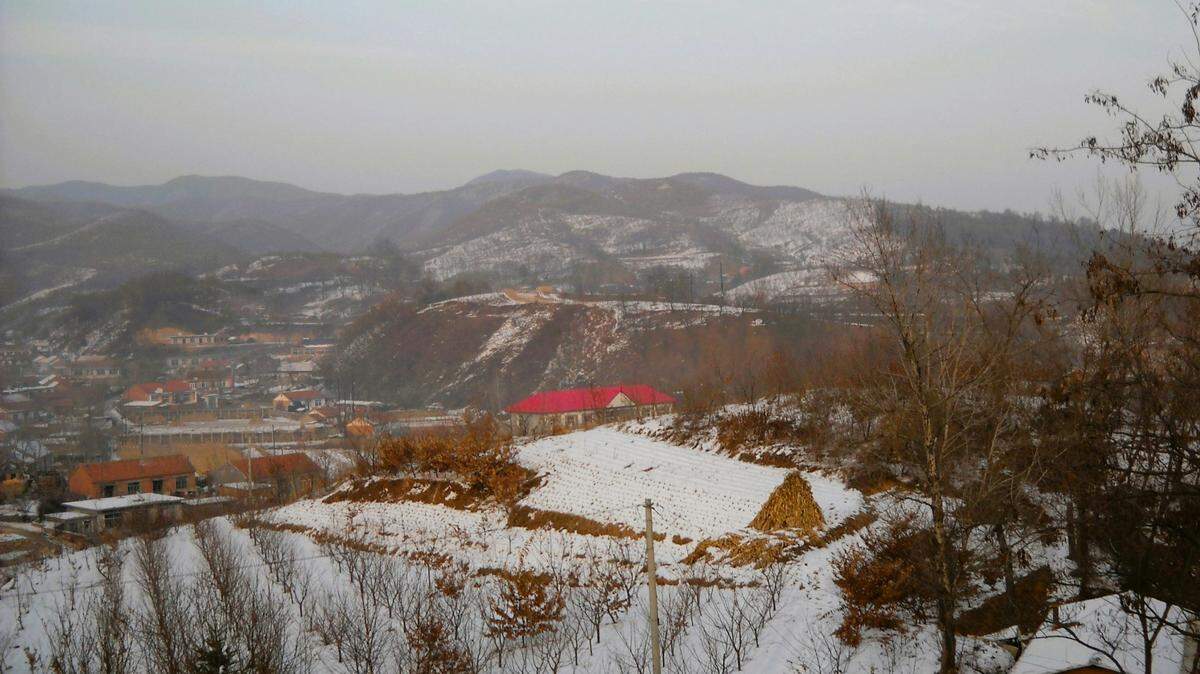
In a small town in northeastern China, community members on the side of a mountain began leveling the land.
As the dirt was pulled away from the mountain’s slope, edges of stone began to emerge.
Hidden beneath the soil were brick tombs — and they are more than 2,000 years old.
Regional researchers and archaeologists were called to the site in April 2023, and a large-scale excavation project began in July, according to a July 9 news release from the Heilongjiang Provincial Institute of Cultural Relics and Archaeology.
The site was divided into two parts, one higher on the mountain and a second closer to its base, researchers said.
During the Han and Wei dynasties, four homes were built into the mountain at the lower elevation, with part of their construction underground, according to the release. They were built sometime between around 206 B.C. and 535 A.D., and their age has led to significant damages discovered by researchers.
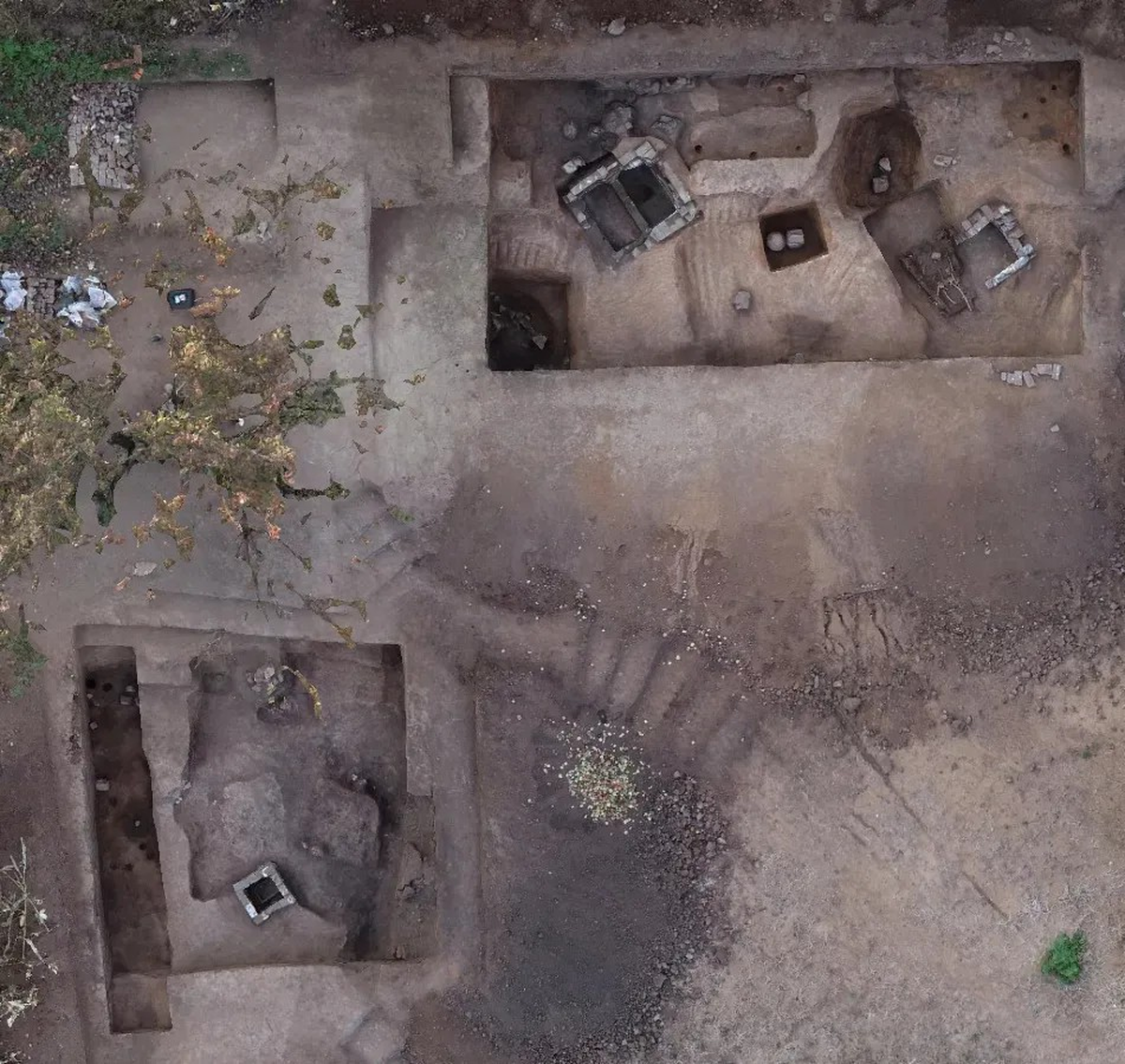
They are generally rectangular in shape, researchers said, with holes that once held columns and traces of burnt stoves from meals.
Pottery, jars, bowls, tools, shovels and obsidian rocks were found inside the homes, according to the release.
Researchers believe part of the damage to the homes was caused during the Ming and Qing dynasties when five tombs were built nearby, according to the release. The two dynasties span from 14th to 20th centuries, more than 1,000 years after the homes were first built.
Single and double occupant brick tombs, as well as vertical earth pit tombs, were excavated, researchers said.
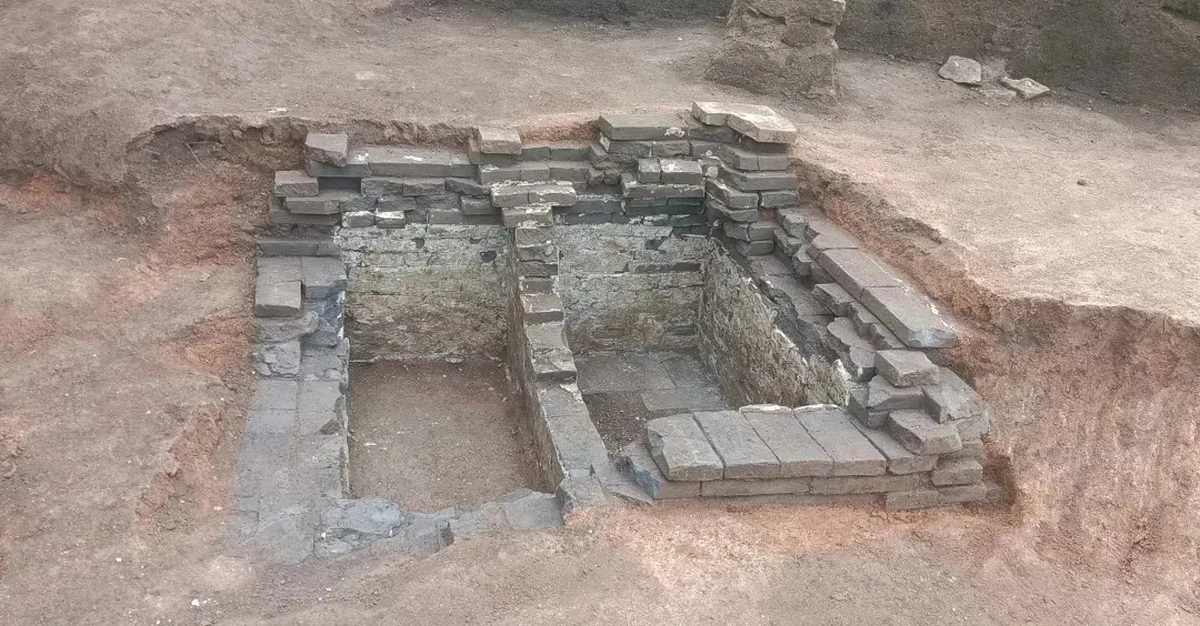
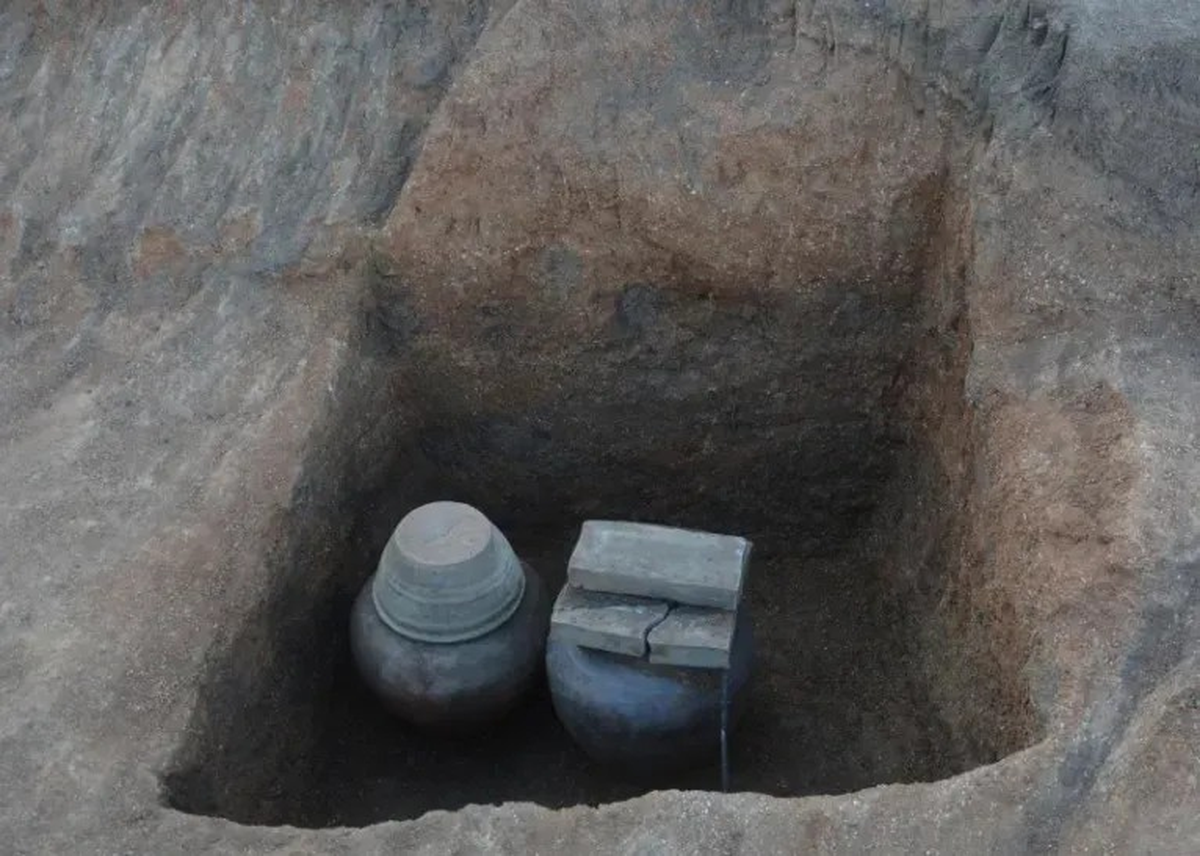
The inner walls of the brick tomb chambers were coated with gypsum mud, according to the release, and glazed pottery urns were discovered in the vertical tombs.
At the northern site, preliminary excavations have confirmed more than 180 tombs of various types, researchers said.
While the tombs have been discovered, more research is needed to understand when they were created and used, according to the release.
The town and archaeological sites are near the Mudan River, and the region has been relatively unstudied, researchers said. Continuing excavations will help reveal more about the living conditions and funeral culture of several dynasties.
Heilongjiang Province is the northeastern-most province of China, along the border with Russia.
Baidu Translate was used to translate the news release from the Heilongjiang Provincial Institute of Cultural Relics and Archaeology.