Sticky creature — found on steep side of cliff — is a new species in China. See it
In 2017, Alex Honnold made “free solo” a household term when he scaled the daunting cliff wall of El Capitan in Yosemite National Park.
Chronicled in a documentary of the same name, Honnold showed the years of work and practice it took before the monumental climb without any ropes, chains, clips or equipment.
But while even experienced climbers stay away from free solo climbs because of the mortal danger, it’s all part of a normal day for the Jiang’s oblique tube snail.
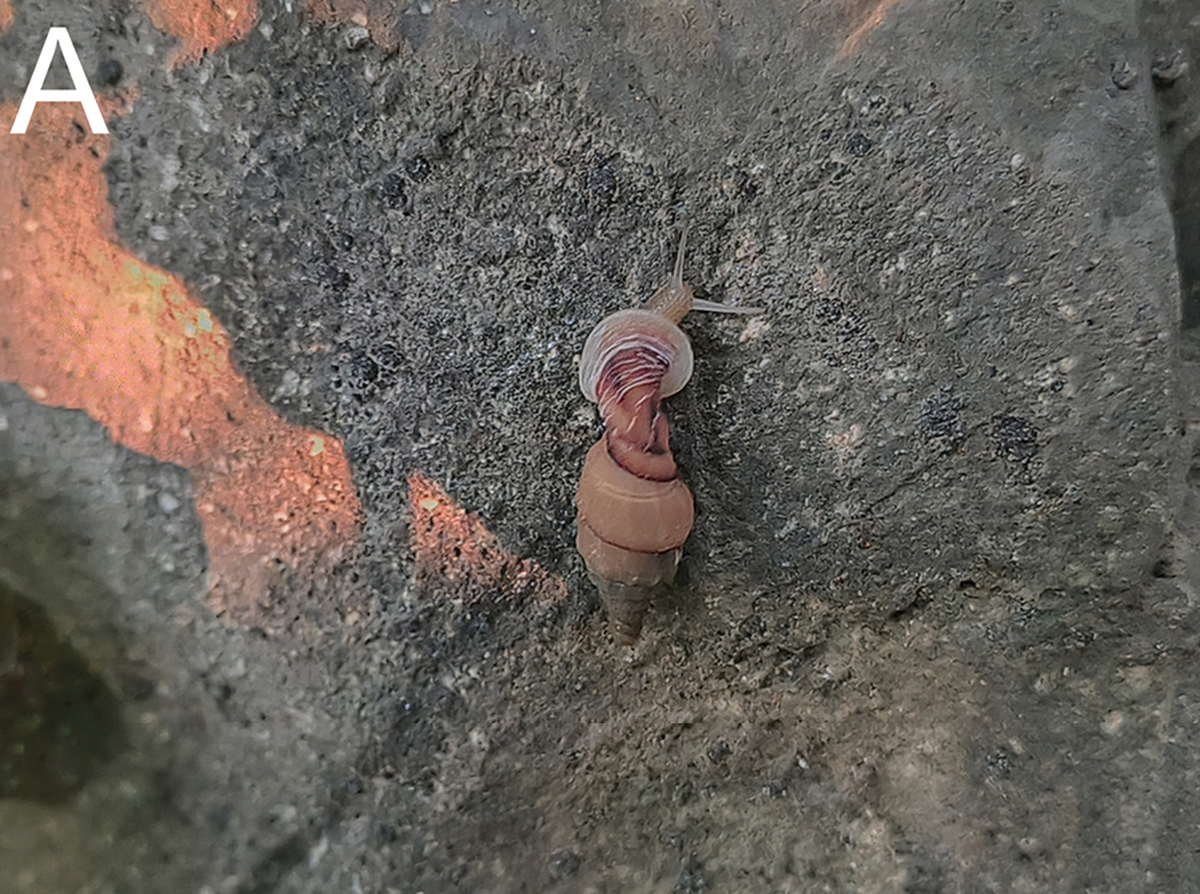
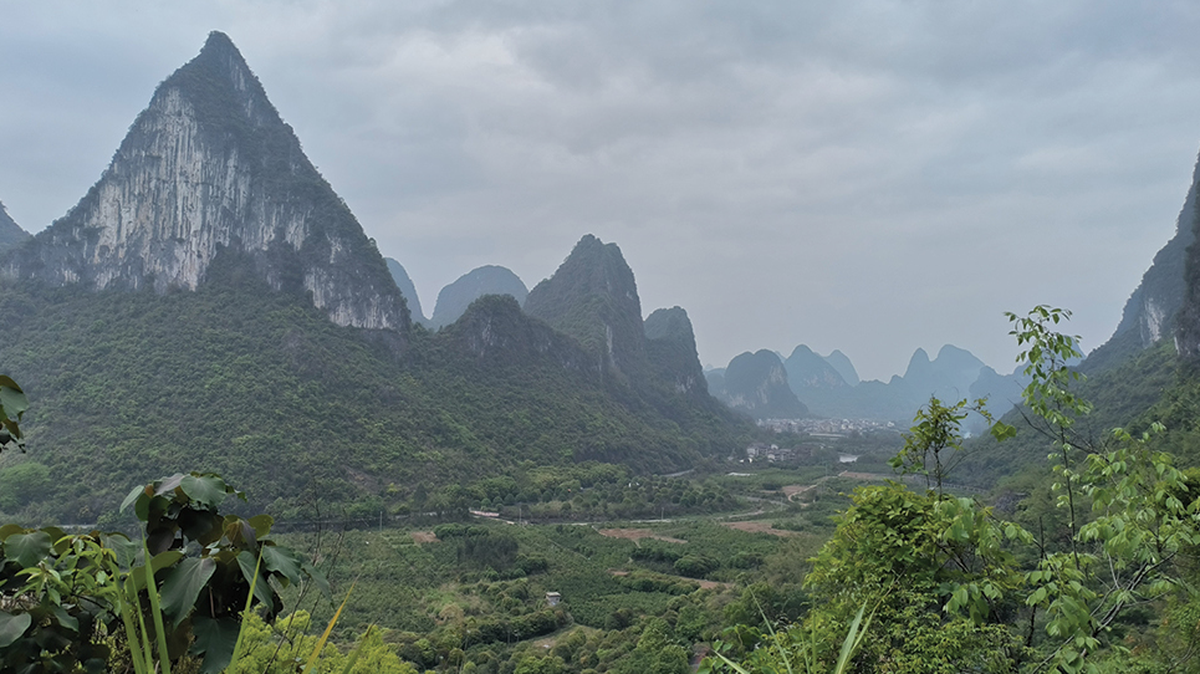
Grandinenia jiangjilini, a new species, was discovered on Yao Mountain in southern China during expeditions in 2022 and 2023, according to a study published July 8 in the journal Zoosystematics and Evolution.
The snails have a shell about 1 inch tall, according to the study, with eight to nine “whorls” or twists.
The shell is “thin” and “fragile,” with a “yellowish-brown” color that is “semi-translucent,” researchers said.
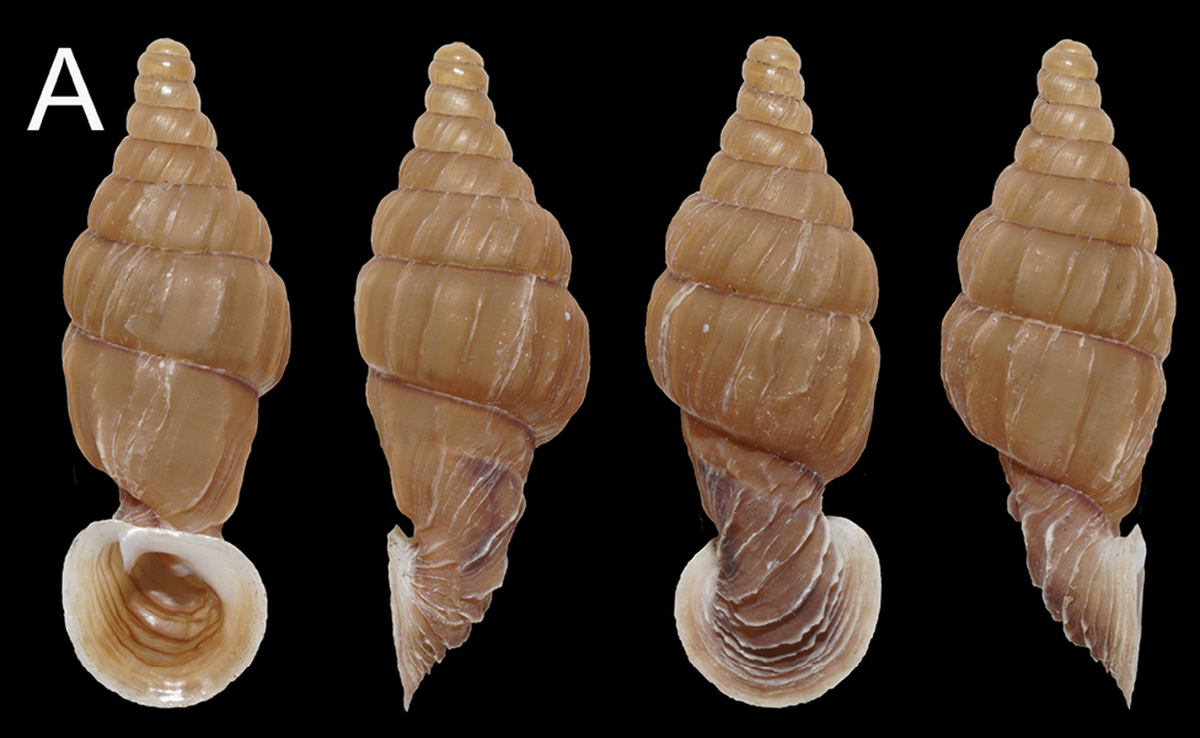
Within the snails’ shell is lamellae, types of internal tooth-like structures, which are typically connected but were separated in this species, according to the study. This, along with the external shape of the shell, told researchers the snail was a new species.
The animal was named for Ji-Lin Jiang who first discovered the snails clinging to the karst cliffs, according to the study.
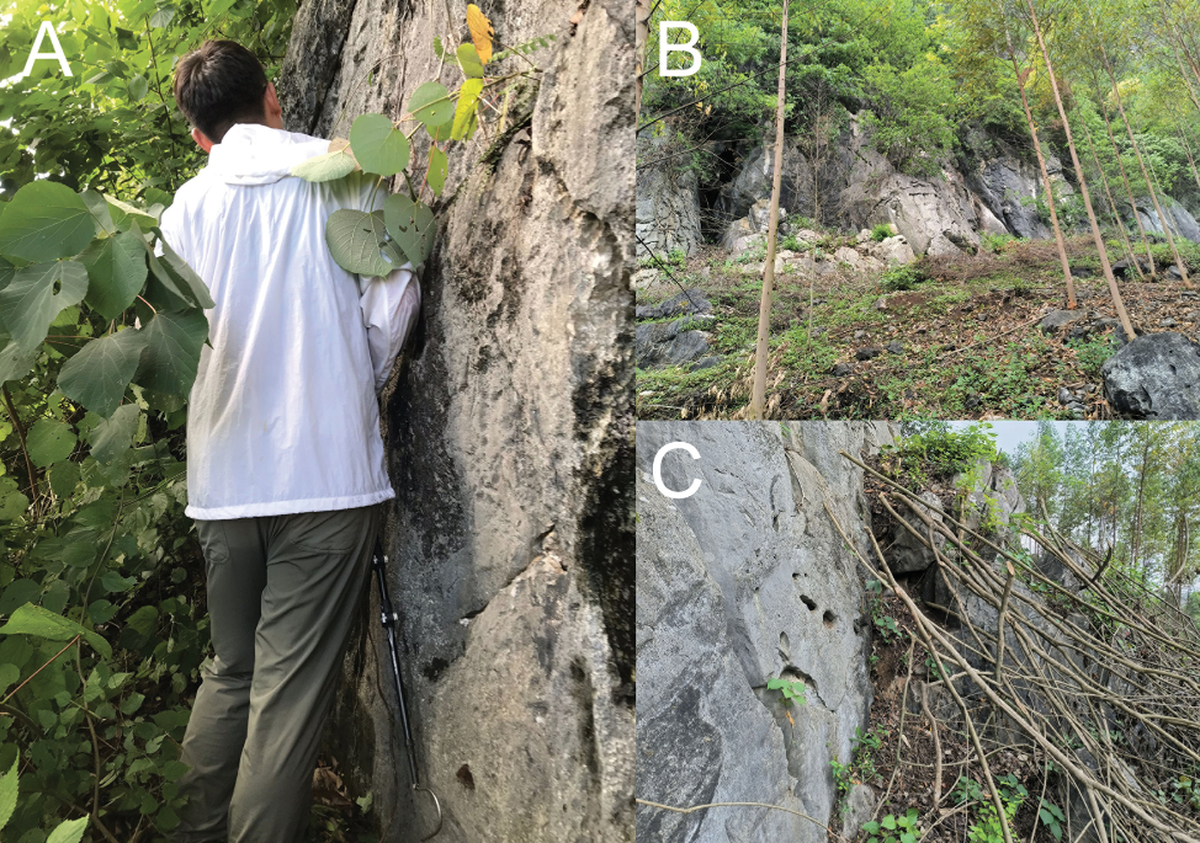
The snails were found on the flat faces of karst rock formations commonly found in southern China, researchers said.
“The karst landscape in this region provide(s) a suitable habitat for land snails,” researchers said, and the snails were found cohabitating on the mountain with another known species.
Snails move up and down the incredibly steep rock face using their “foot,” or the muscular organ on the bottom of their body and contracting and releasing the muscles, according to BBC Wildlife Magazine.
They also secrete a sticky mucus to help slide the snail along and attach it to the surface, the outlet reported.
Baidu Translate was used to translate the name of the new species.