‘Dwarf’-like creature — with ‘long’ fingers and claws — discovered as new species
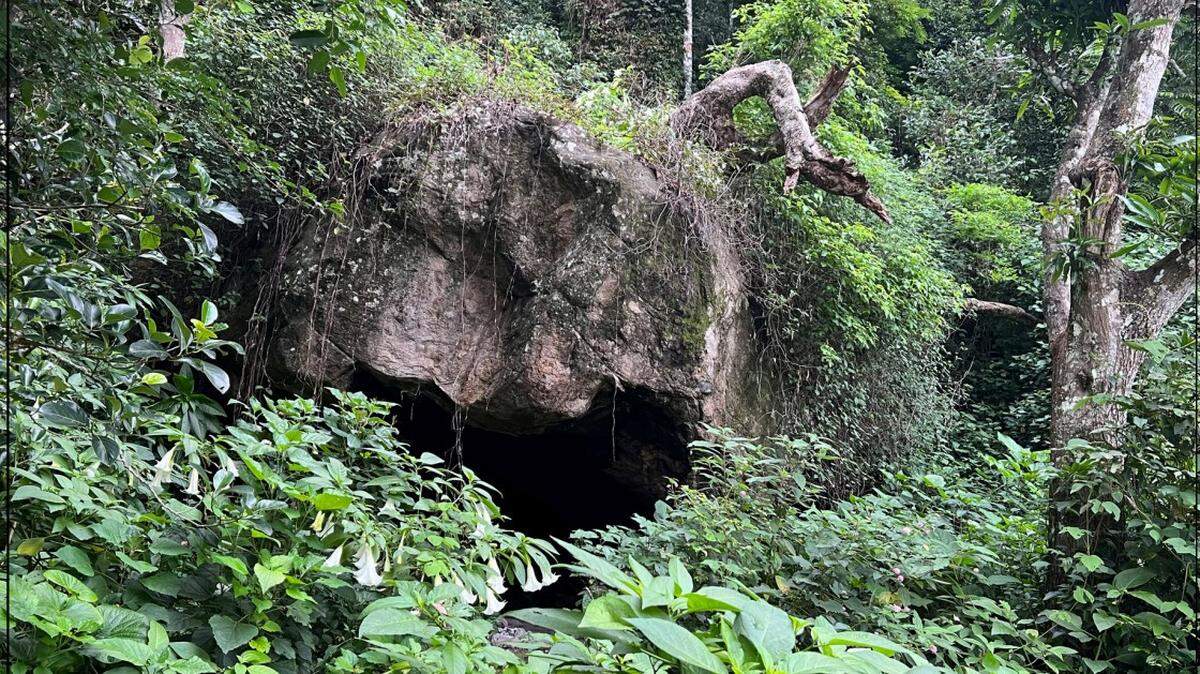
At a cave in southern India, a “dwarf”-like creature gripped the rock wall with “long” fingers. Something about the clawed animal caught the attention of visiting scientists.
It turned out to be a new species.
Researchers visited the cave in Tamil Nadu in 2022 as part of an ongoing project to survey the state’s diverse lizards, according to a study published June 14 in the peer-reviewed journal Zootaxa.
While searching the cave and nearby forests, researchers found several unfamiliar-looking geckos, the study said. They took a closer look at the animals and realized they’d discovered a new species: Cnemaspis anuradhae, or Anuradha’s dwarf gecko.
Anuradha’s dwarf geckos are considered “medium-sized,” reaching just over 4 inches in length, the study said. They have “slender” bodies covered in spikes and “long” fingers with “strong” claws. Their “small” eyes have a “reddish” color with a “light orange ring.”
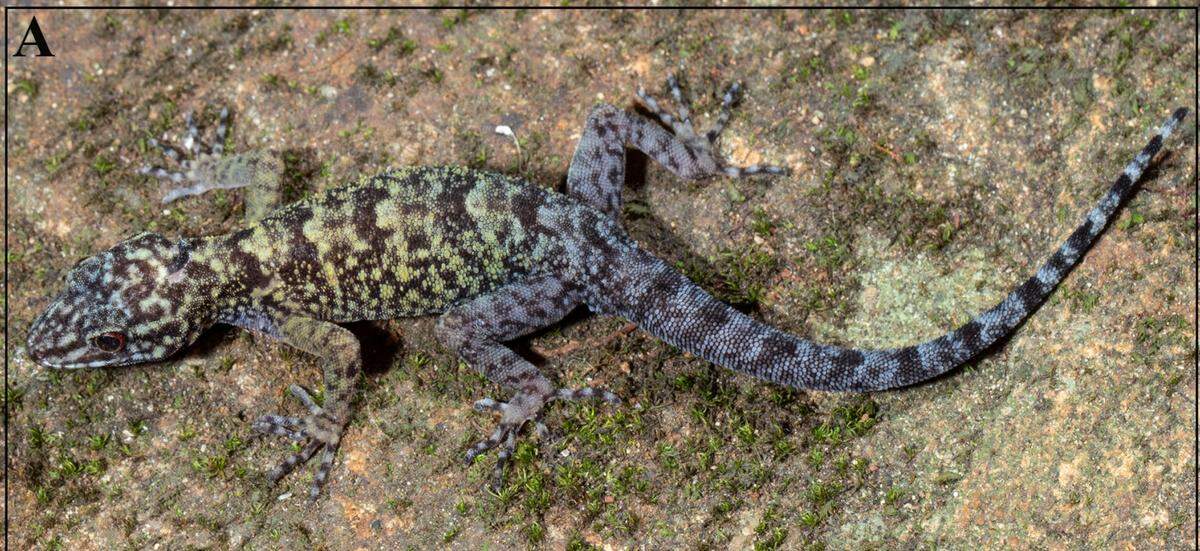
Males and females of the new species vary in color. A photo shows the male gecko’s rainbow coloring. From head to tail, its body shifts from pale blue to yellow to light green to blue and finally purple. Dark brown blotches dot its entire body.
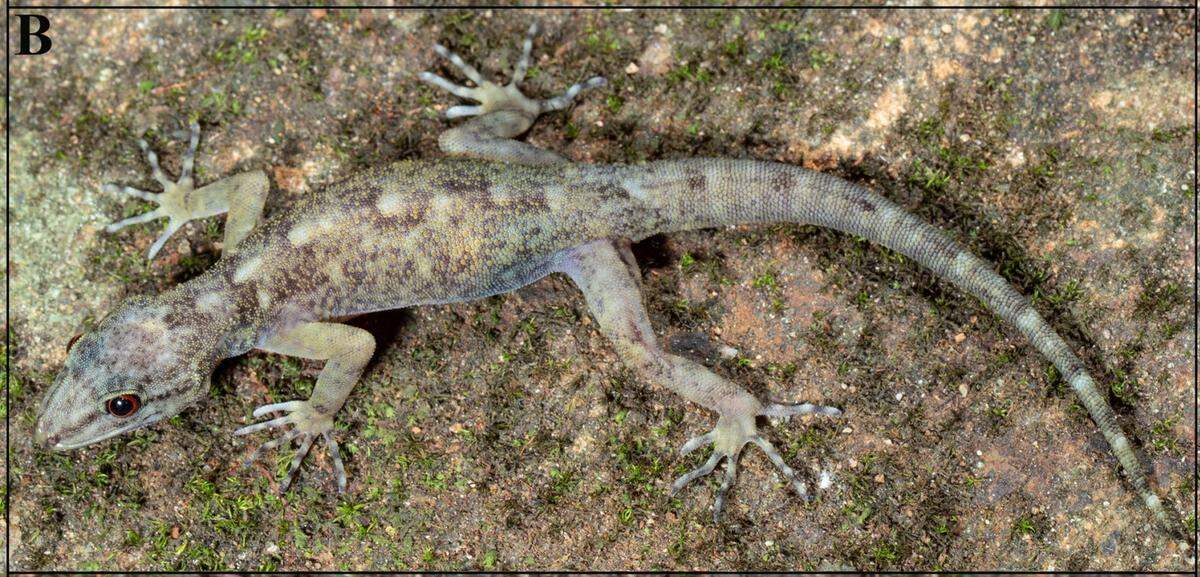
Females have a muted cream coloring, a photo shows. Only the slightest rainbow hues are visible on its sides.
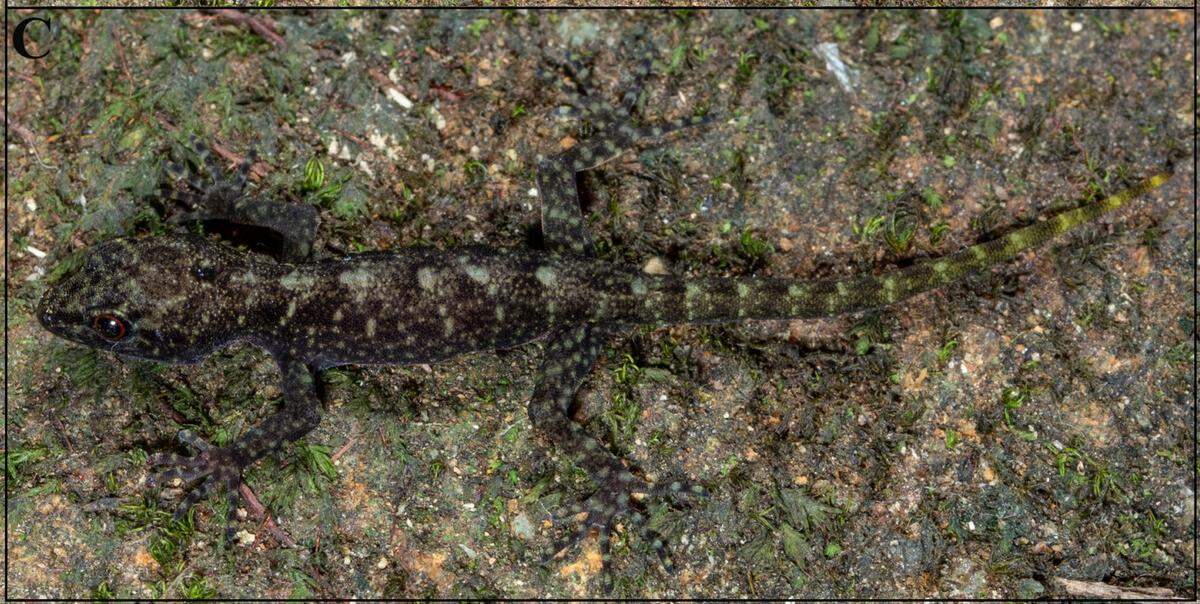
Juveniles also look significantly different, the study said. Their bodies are primarily dark brown with lighter brown blotches, another photo shows.
Anuradha’s dwarf geckos live in evergreen forests between elevations of 4,600 and 5,600 feet, the study said. They were found perched on rocks, at a cave and in “a culvert.”
Researchers said they named the new species after Anuradha Batabyal “for her contributions to studies of behavioural ecology, colour physiology and cognition in Indian lizards, and for constant support and encouragement to the first author (Akshay Khandekar).”
So far, Anuradha’s dwarf geckos have been found at two nearby sites in Dindigul District, Tamil Nadu, the study said.
The new species was identified by its size, coloring, scale pattern, spikes and other subtle physical features, the study said. DNA analysis found the new species had at least 8% genetic divergence from other dwarf geckos.
The research team included Akshay Khandekar, Tejas Thackeray and Ishan Agarwal.
The team also discovered four more new species: Agamalai dwarf gecko, Anaimalai dwarf gecko, Tenkasi dwarf gecko and Valparai dwarf gecko.
This story was originally published June 19, 2024 at 9:00 AM.