‘Metallic’ blue creature found in tree hole in India. See ‘captivating’ new species

More than a century ago, a group of militants were forced to trek the remote Siang Valley in northeastern India during colonial rule.
Sitting in the shadow of the Himalayas, the valley is a hotspot of biodiversity, and a scientific team accompanying the military expedition cataloged the unique species that call the valley home.
“Despite the challenges, (the expedition) managed to explore and map large parts of the Siang Valley region, cataloging every plant, frog, lizard, fish, bird & mammal and insects they found, with the discoveries published in several volumes from 1912 to 1922 in the Records of the Indian Museum,” according to a June 3 news release published by EurekAlert.
But much of the valley was still left unexplored for 100 years — until now.
Entomologists from both the Ashoka Trust for Research in Ecology and the Environment in Bengaluru, India, and the University of Florida set out to resurvey the path of the “Abhor Expedition.” They made a remarkable discovery.
“While exploring a tree hole about 10 feet up in a steep cattle track in the remote Yinku village one evening, something sparkled in the twilight. With the dim light available, two insects were sucked into an aspirator. To our surprise, we later found they were ants,” researchers said in the release.
It was a new species.
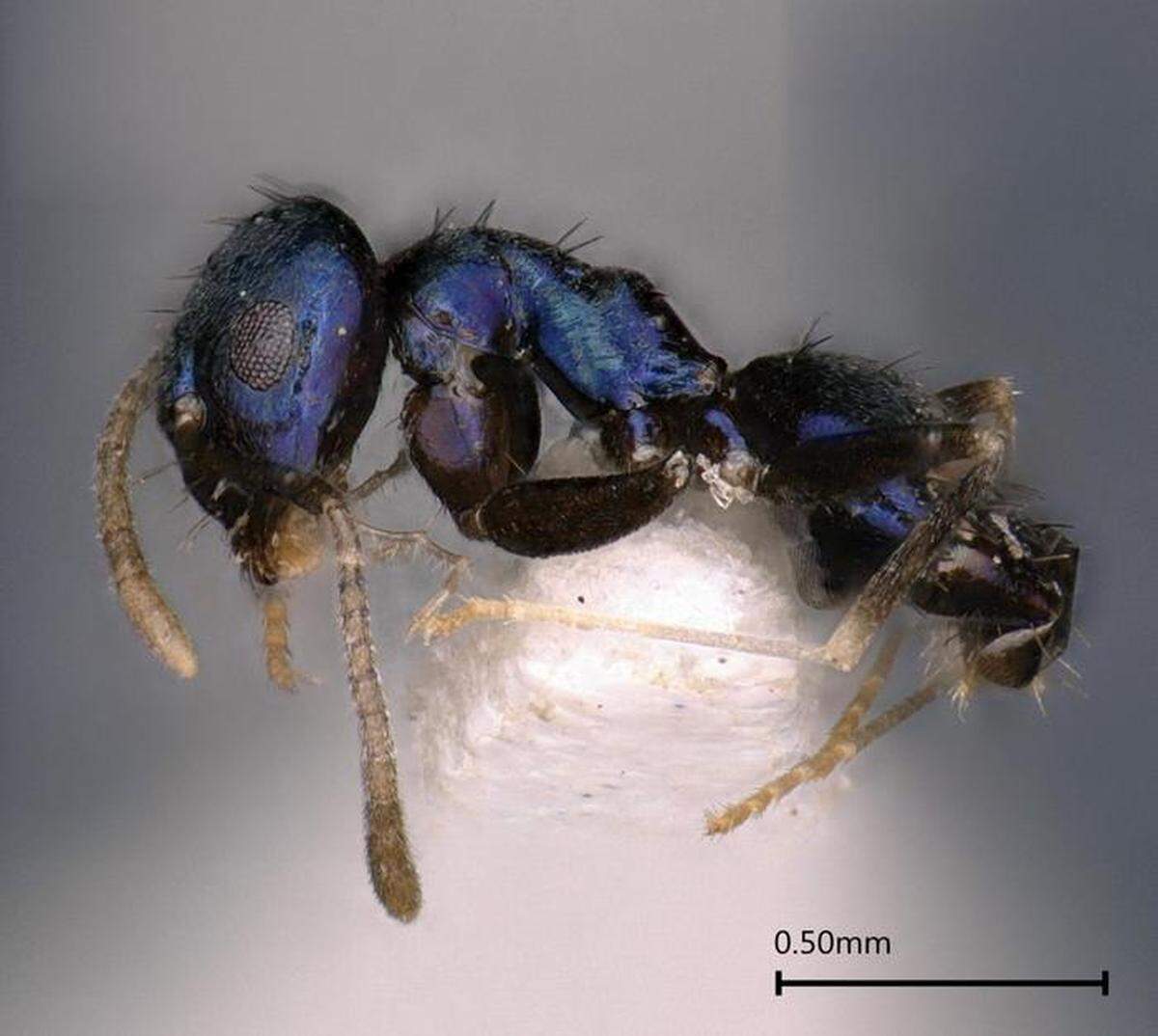
The small ant, just 2 millimeters long, is a “metallic” blue color on the bulk of its body except the antennae, mandible and legs, researchers said in a study published May 30 in the journal ZooKeys.
It was named Paraparatrechina neela, the latter meaning blue in “most Indian languages,” researchers said, and is the first species of its genus to be discovered in 121 years.
It’s also the only ant in its family to sport the “sapphire color,” according to the study.
“While blue coloration is commonly observed in some insects like butterflies, beetles, bees and wasps, it is relatively rare in ants,” according to the release. “Out of the 16,724 known species and subspecies of ants worldwide, only a few exhibit blue coloration or iridescence.”
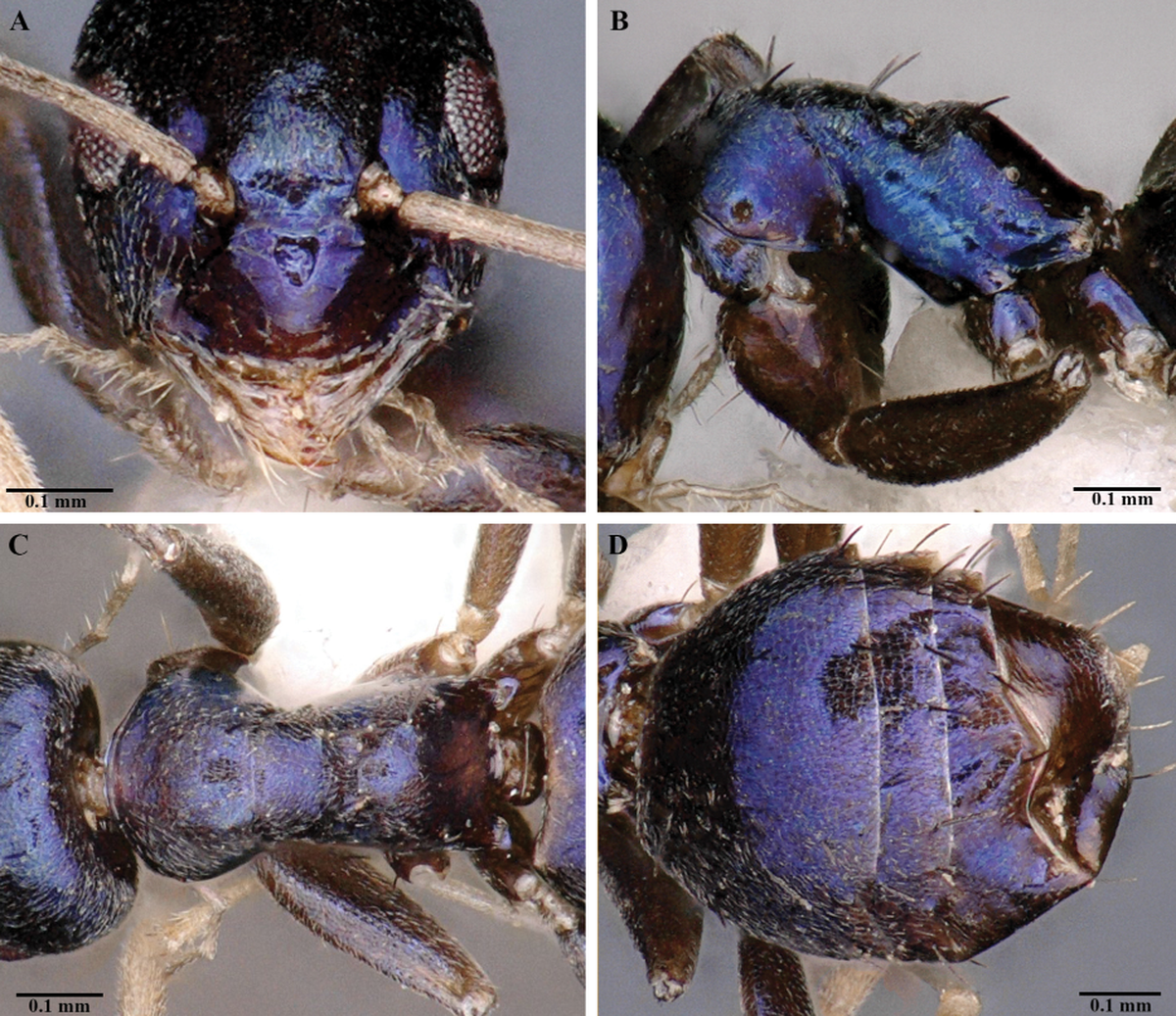
The new species was collected from a relatively low elevation compared to other known species, just over 2,600 feet, and has large eyes that set it apart aside from its color, according to the study.
The “captivating blue-colored ant” also raises questions as to the role of its “vibrant” exterior.
“Does it help in communication, camouflage, or other ecological interactions?” researchers ask in the study. “Delving into the evolution of this conspicuous coloration and its connections to elevation and the biology of P. neela presents an exciting avenue for research.”
The Siang Valley is in Arunachal Pradesh, a disputed region in the Himalayan mountains along the India-China border. Although India controls the region, both India and China claim it. The region is about 1,500 miles east of New Delhi and about 3,700 miles southwest of Shanghai.