‘Very rare’ game pieces — found in ‘forgotten’ castle — unveiled in Germany. See them
What did it take to be a knight in the Middle Ages?
If you were trying to prove your chops in 13th-century Germany, you needed more than expert sword skills, advanced horseback riding and flowing hair that still looked good after taking your helmet off.
You had to be good at chess.
A game of strategy and patience first developed in India, chess made its way to medieval Europe centuries later and was adopted by those seeking knighthood, according to a June 3 news release from the German Archaeological Institute.
Game pieces, used more than 1,000 years ago, are “very rare,” archaeologists said, and remain almost entirely absent from the archaeological record — until now.
“During archaeological excavations at a forgotten castle in southern Germany, an excellently preserved knight piece has now been discovered,” the institute announced. “The find is part of a unique games collection, which also includes other gaming pieces and a dice.”
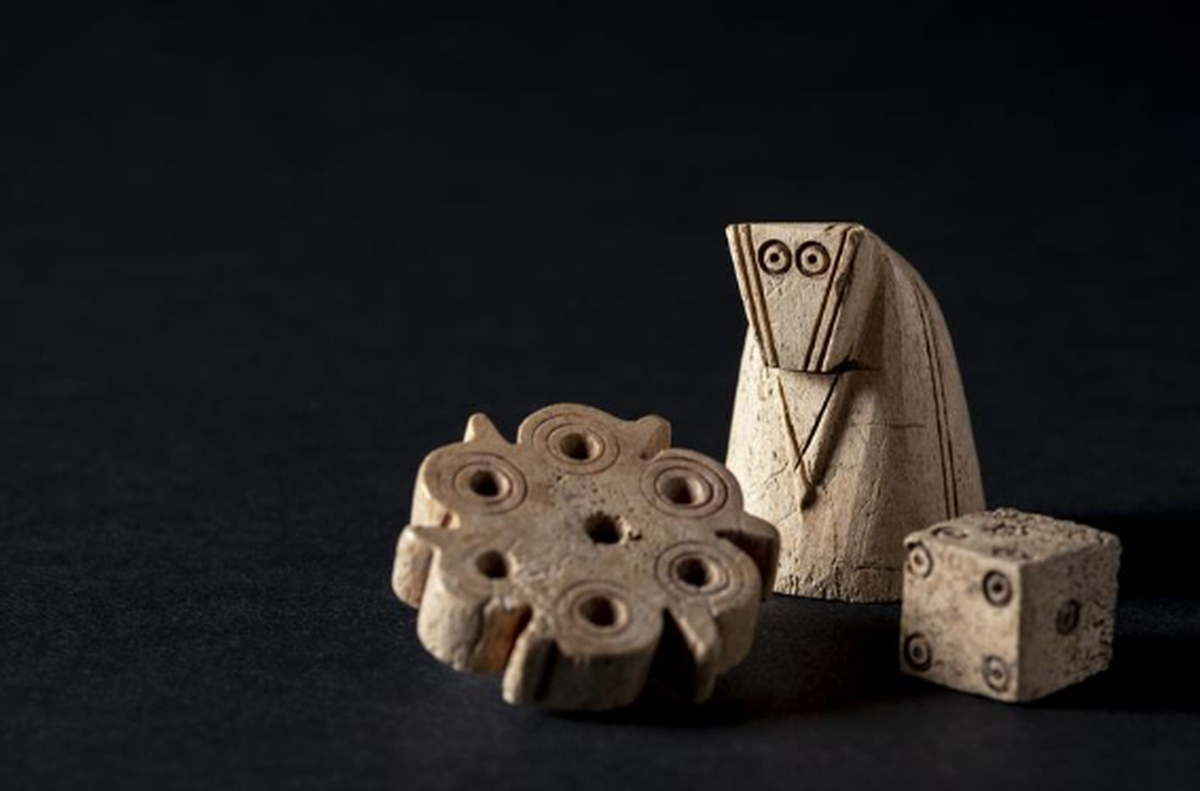
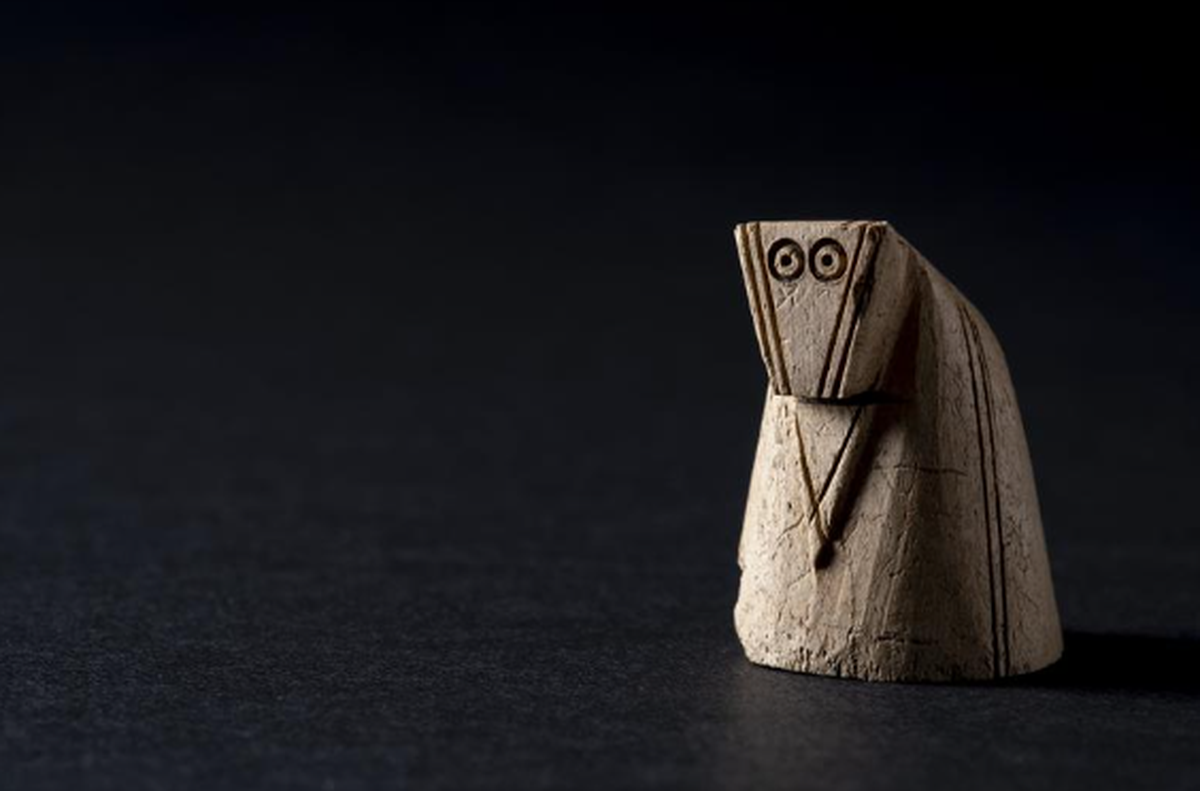
The horse figurine has clear eyes and a mane, researchers said, and a relatively “elaborate” design that is indicative of a “high-quality” chess piece from the Middle Ages.
Along with the horse, archaeologists found four flower-shaped pieces and a six-sided die all carved from antlers, according to the release.
“The discovery of an entire games collection (from) the 11th-12th century came as a complete surprise to us and the horse-shaped knight piece is a real highlight,” researcher Lukas Werther said in the release.
Researchers said the pieces were found under the debris of a collapsed wall that would have kept the artifacts hidden for a millennia. Their protection from the elements meant they were also incredibly well-preserved.
A color analysis found that some of the pieces were once painted red, and the wear on the knight piece from someone picking it up suggests the rules of the game haven’t changed much, if at all, since the Middle Ages.
“In the Middle Ages, chess was one of the seven skills that a good knight should master,” researcher Jonathan Scheschkewitz said. “ It is therefore not surprising that known finds mostly come from castles.”
The pieces are on display for the first time as part of an exhibit running in June highlighting the knights and castles of the Echaz Valley, according to the release.
They were found at a previously unknown castle in Baden-Württemberg, a state in southern Germany just north of the Switzerland border.