Man picks up sharp stone — and finds 5,600-year-old artifact in Poland, photos show
As every parent who’s ever emptied their child’s pockets knows, picking up cool rocks is a hard-to-resist urge.
Karol Czerwiński likely felt a similar urge while walking on a hill near a river in Drażgów, Poland. He picked up a sharp stone — and discovered an ancient artifact, the Lublin Provincial Conservator of Monuments wrote in an April 8 Facebook post.
Archaeologists identified the carved stone as a bladed dagger from at least 5,600 years ago.
Photos show the roughly 5-inch-long dagger. It has an ombré of brown tones, shifting from a light tan at the blunt end to a darker brown at its point. One edge of the stone appears almost ribbed. The underside of the dagger looks smooth.
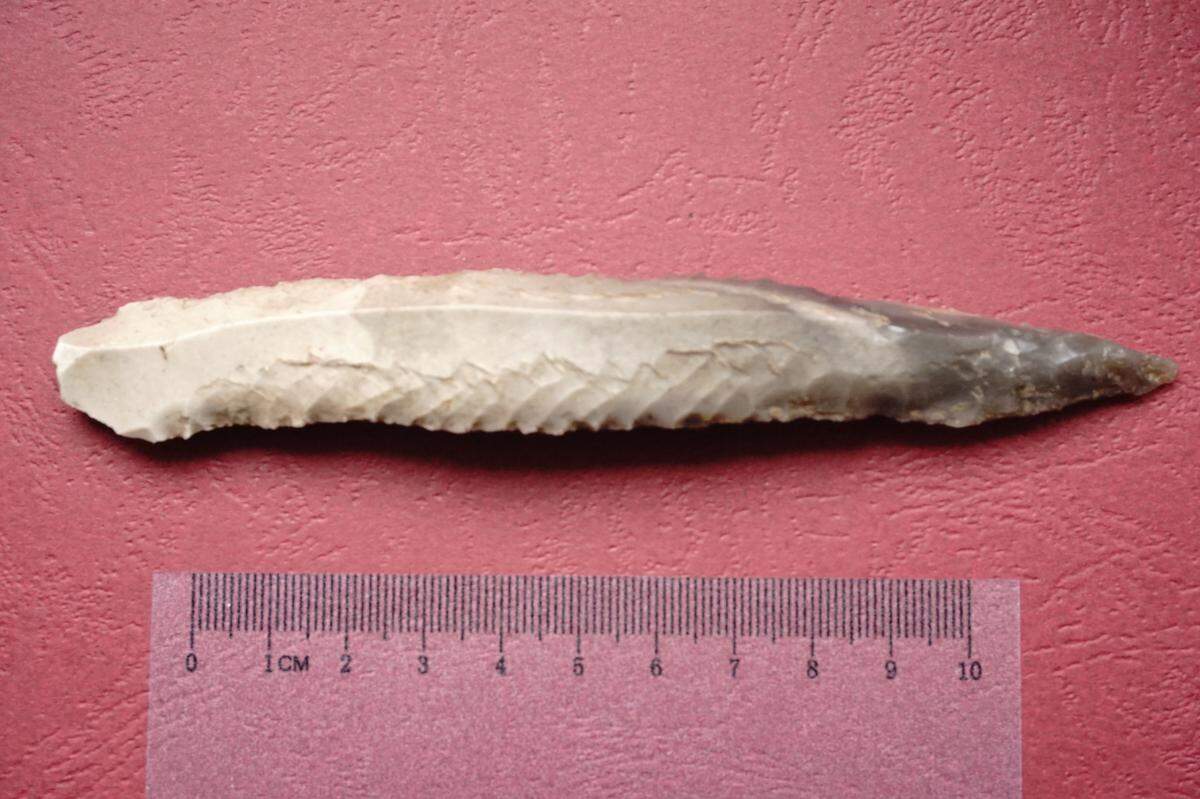
The 5,600-year-old flint dagger was linked to a Neolithic community known as the Lublin-Volhynia culture, officials said. This community thrived in modern-day southeastern Poland between 4100 B.C. and 3650 B.C.
Based on its quality, archaeologists believe the dagger belonged to a high-status person. Its functional purpose remains unknown.
In the Lublin-Volhynia culture, bladed daggers also served a symbolic purpose, archaeologists said. These daggers would be placed in graves, with their arrangement and quality signifying the status of the deceased.
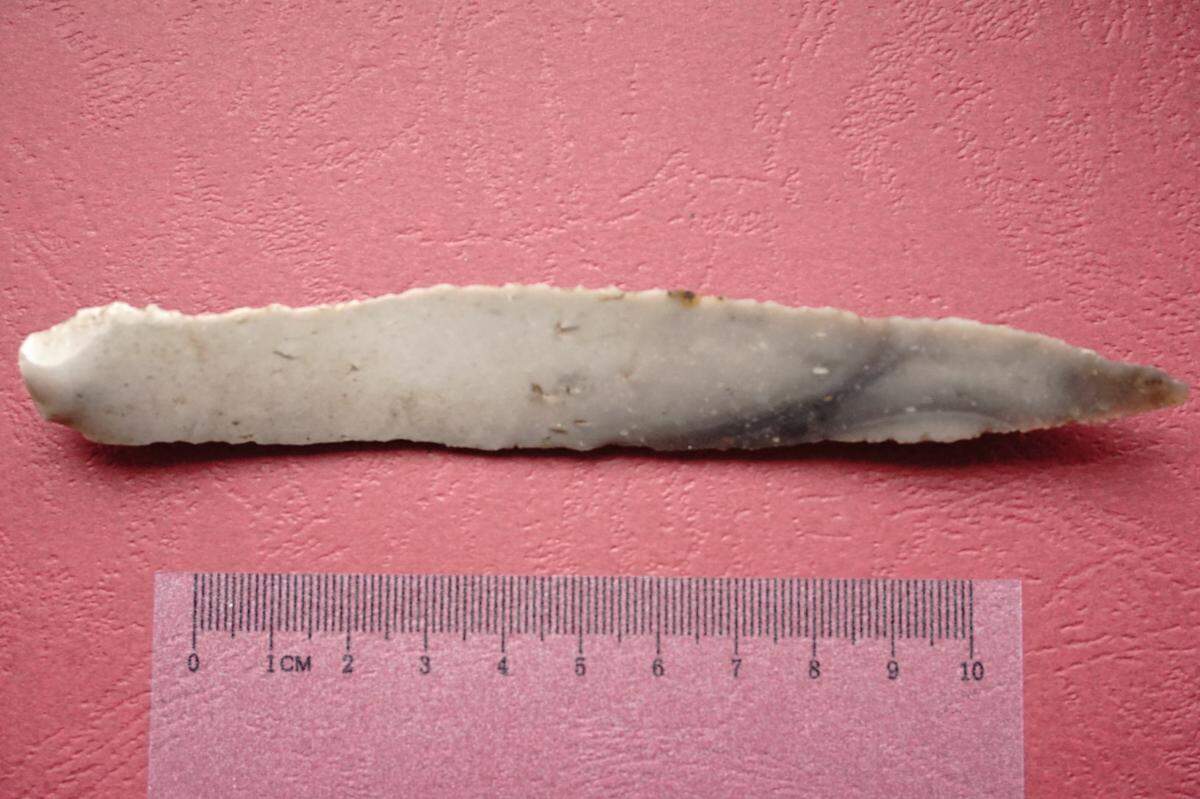
Czerwiński gave officials the 5,600-year-old dagger, which will be analyzed further in hopes of identifying its function. It will then be given to the National Museum in Lublin.
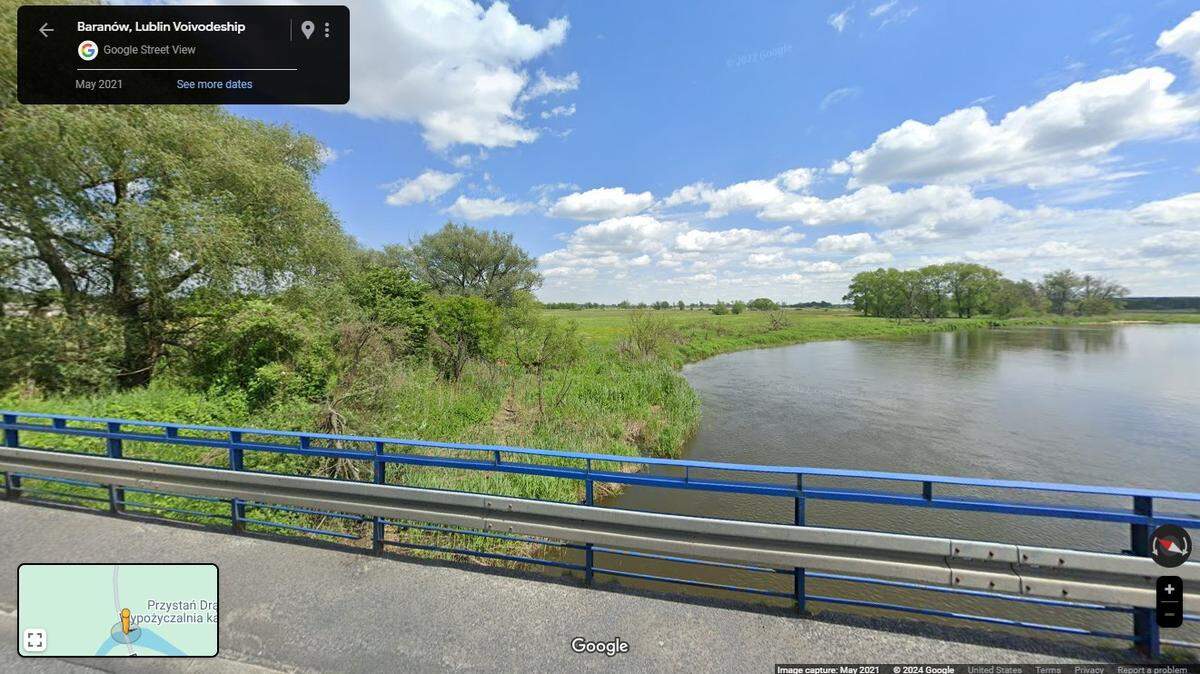
Drażgów is about an 80-mile drive southeast of Warsaw and in the Lublin region.
Google Translate was used to translate the Facebook post from the Lublin Provincial Conservator of Monuments.