Hermit crabs turn human trash into unusual ‘homes,’ study says. See what they chose
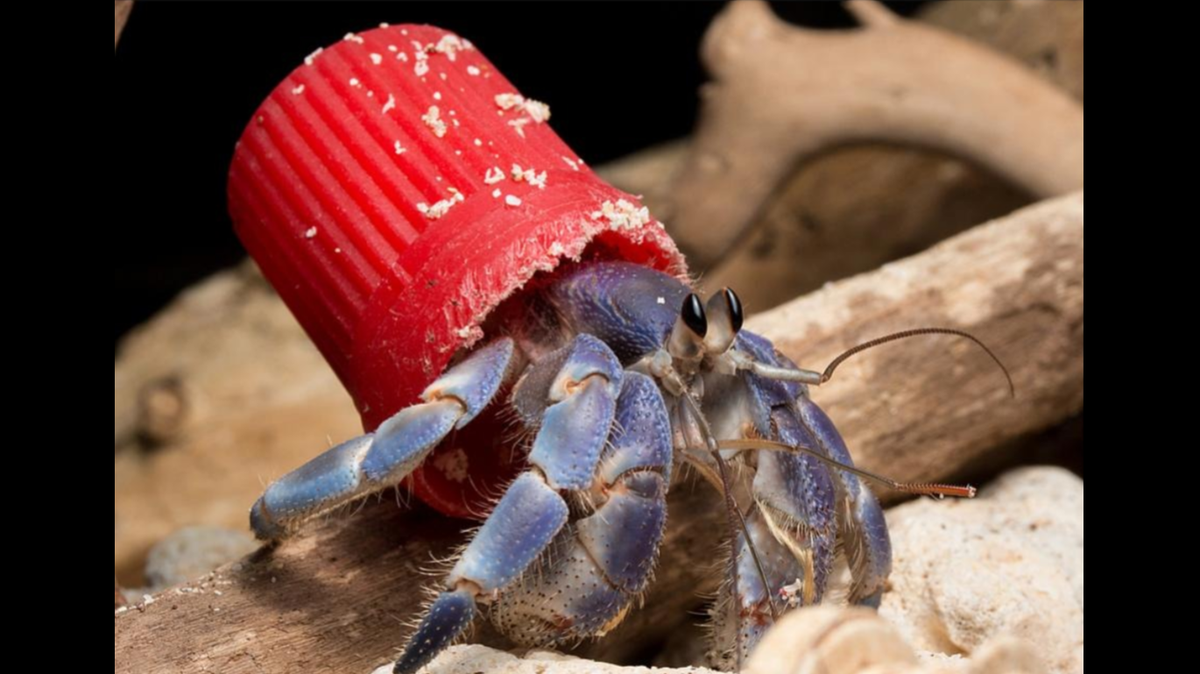
Whether kept as pets or spotted along a seashore, hermit crabs are a familiar sight. These small crustaceans are known for carrying shells on their backs as a form of protection and camouflage.
But, as scientists recently discovered, some hermit crabs are choosing unusual homes.
Researchers first encountered these atypical hermit crab homes in photographs from Shawn Miller, a wildlife photographer in Okinawa, Japan, according to a study published Jan. 6 in the journal Science of the Total Environment.
“We started to notice something completely out of the ordinary,” one of the study’s co-authors, Marta Szulkin, told BBC. “Instead of being adorned with a beautiful snail shell, which is what we’re used to seeing, (the hermit crabs) would have a red plastic bottle cap on their back or piece of light bulb.”
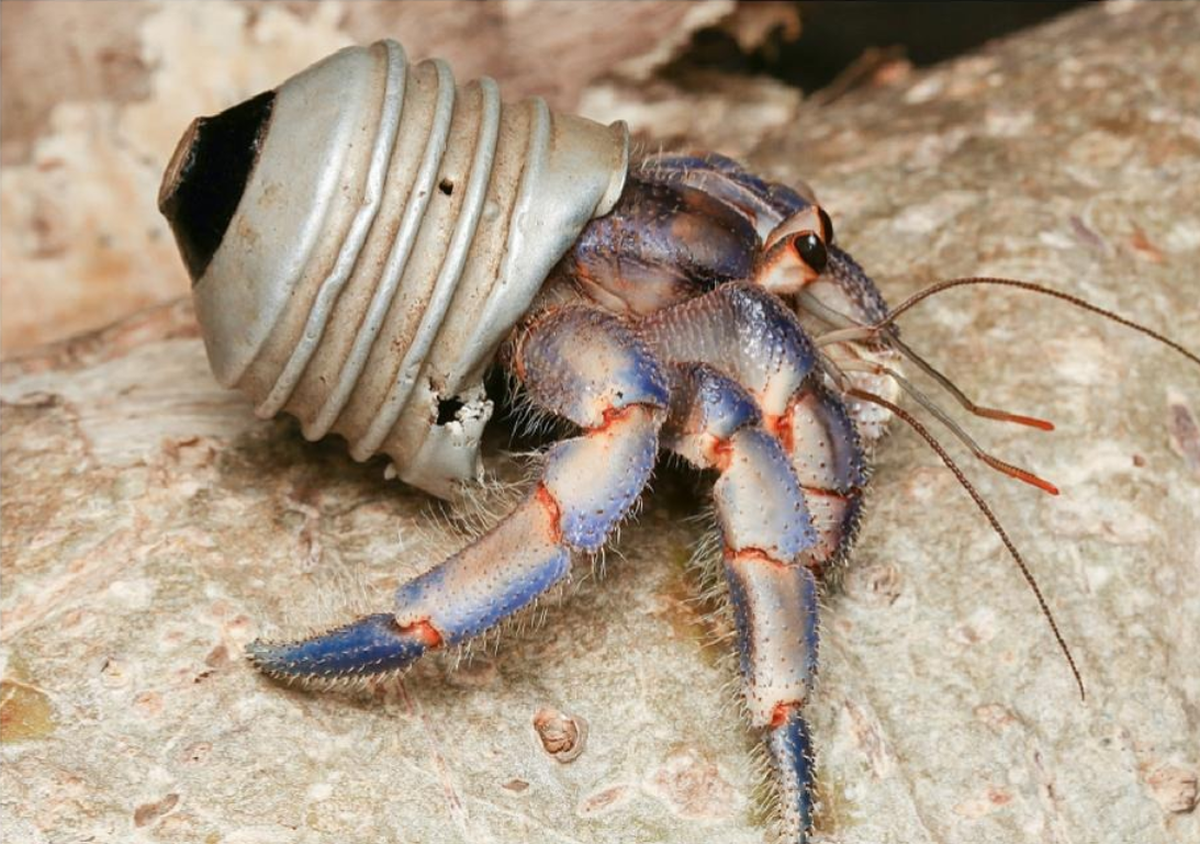
Intrigued — and somewhat concerned — researchers scoured the internet for images of hermit crabs using human trash instead of natural shells, the study said. They found almost 400 examples.
Hermit crabs around the world are using plastic waste, especially plastic caps, as “homes,” the study said. Researchers described the behavior as “novel and expanding.”
But why are hermit crabs choosing not to use natural shells?
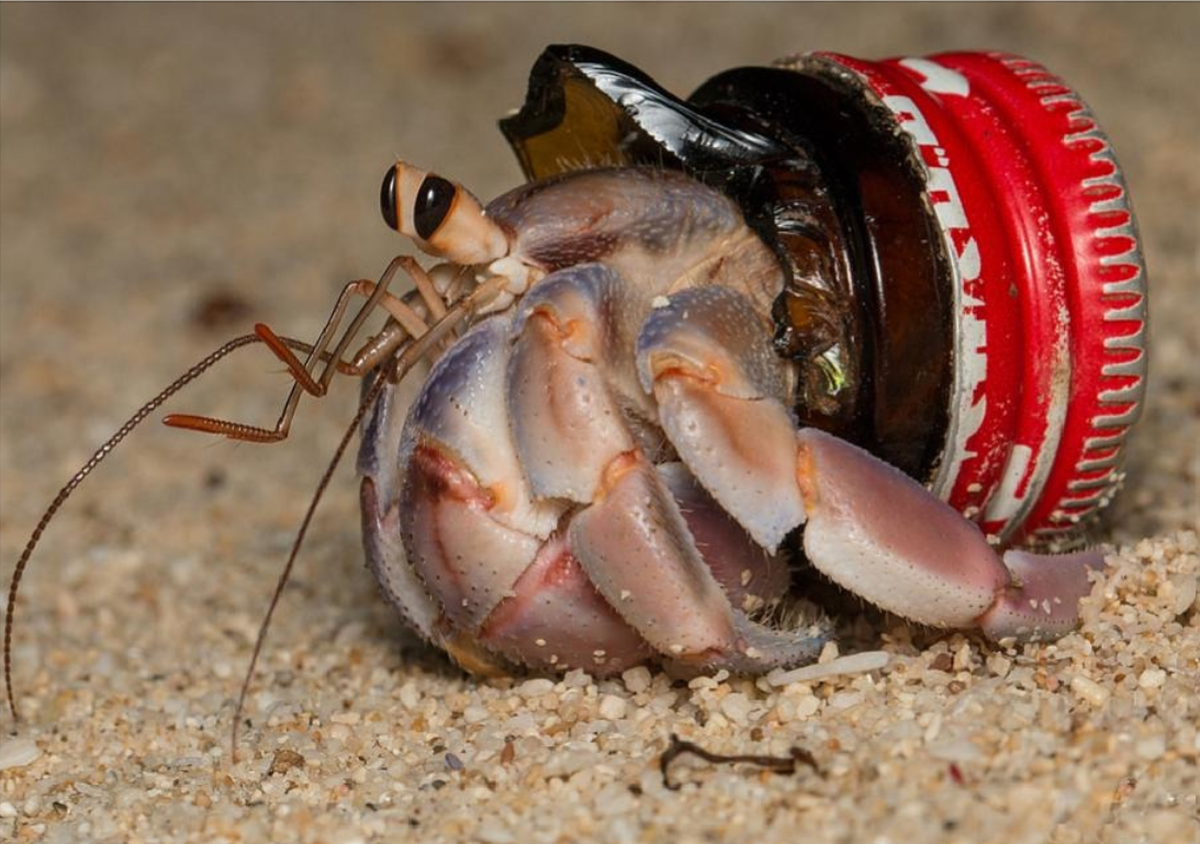
Researchers identified several possible reasons. Plastic waste is the “most pervasive element” of marine pollution and, as a result, widely available to hermit crabs. Additionally, plastic homes weigh less than natural shells, have a different smell, “may be attractive for females” and “may act as efficient camouflage in polluted environments.”
Plastic waste generally has a “harmful impact on wildlife,” but the long-term impacts of hermit crabs using plastic instead of shells is not known, researchers said..
“When I first saw these pictures, I felt it was heart-breaking,” Szulkin told BBC.
“I think we really need to understand the fact that we are living in a different era and animals are making use of what is available to them,” Szulkin told the outlet.
The research team included Zuzanna Jagiello, Łukasz Dylewski and Marta Szulkin.